

121M+Total Funded
Donation-based crowdfunding for causes and projects
Find the model that matches your funding goals


Different models serve different needs, from raising capital for startups to funding creative projects and community causes
Donation-based crowdfunding for causes and projects
Reward-based campaigns for creative work
Equity crowdfunding for startup investment
Debt crowdfunding for lending and borrowing
Real estate crowdfunding for property investment

Investors who received at least one interest payment each month.


Rated 4.5 / 5 based on 779 reviews. Showing our 4 & 5 star reviews.
Each type has different rules, returns, and who can participate
People contribute to causes they care about without expecting money back
Backers get early access, special editions, or exclusive rewards
Investors get ownership stakes and potential returns if the company grows
Investors lend to businesses or individuals and receive regular payments
Pool funds to invest in commercial or residential real estate
Get a percentage of sales or revenue instead of equity
Different types come with different risks, timelines, and legal requirements
No fees for deposits, investments or withdrawals.
A growing community built around transparent investing.
Average amount invested by active users each month.
Average interest paid to active investors each month.
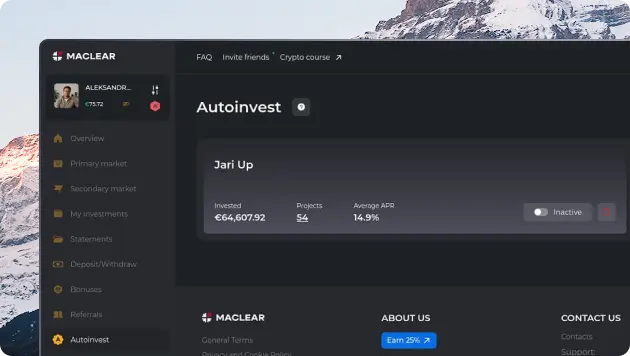
Each type typically runs on specialized platforms with their own vetting and terms

Supplies consumer electronics to major retailers and telecomes like Technomarket and Magnum-D

Processes, freezes and dries fruits and vegetables in a modern, fully equipped organic-focused production facility

Supply, installation and maintenance of agricultural and food equipment

Average annual return17.6%
Earned return€460
Promotions€0
Estimated returns based on target rate of 14.6% APY. Actual returns may vary. Past performance does not guarantee future results.
Key factors that help you pick the right crowdfunding model
Projects, businesses, and causes work better with specific models
Some types have accreditation or income requirements
Donations happen fast; equity deals can take months or years to pay off
Equity and debt carry financial risk; donations and rewards typically don't
Entry points range from a few dollars to thousands
Most platforms charge between 5% and 10% of funds raised
Most crowdfunding investments are illiquid until an exit or maturity
Interest, dividends, and capital gains are typically taxable
View available investment opportunities in donation-based, rewards-based, equity, debt, and real estate crowdfunding sectors
View campaigns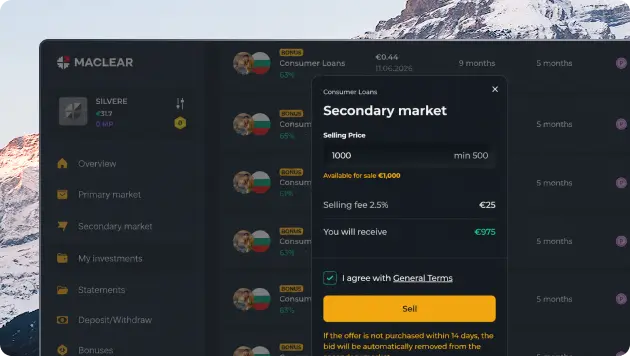
Crowdfunding has expanded into nearly every sector, from tech startups to local businesses and creative projects
Equity crowdfunding opened to non-accredited investors in 2016
Debt crowdfunding now includes consumer and business loans
Simple steps to launch or invest in a crowdfunding campaign

Match your goal to the type

Compare fees and audience

Check requirements and timelines
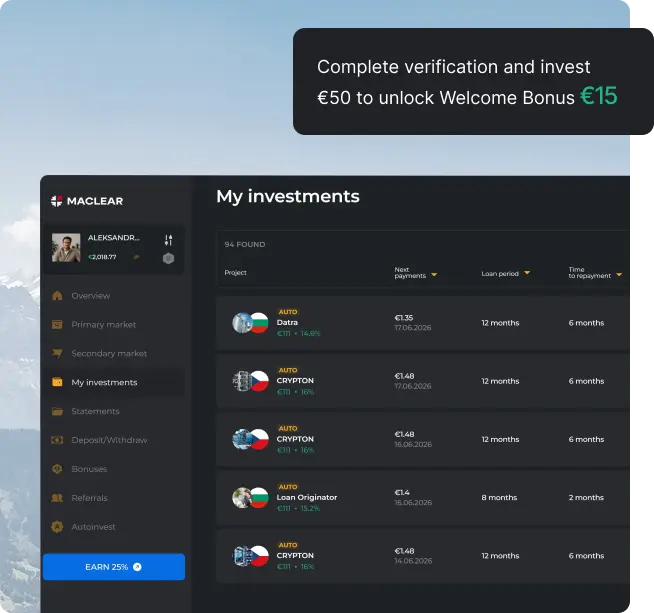

Donation and reward models don't offer financial returns, while equity and debt crowdfunding do

Donations and rewards

Equity, debt, real estate

Revenue sharing and royalties

Due diligence varies widely

Crowdfunding models have evolved to serve different needs. Donation and reward campaigns support creative and social projects, while equity and debt models let investors fund businesses in exchange for returns.


Not all crowdfunding is the same. Donation and reward models carry minimal financial risk, but equity and debt investments can lose value. Returns aren't guaranteed, and most investments are illiquid. Always check the platform's vetting process and fee structure before committing.
 Collateral and the
Provision Fund help reduce certain risks, but do not eliminate investment risk.
Collateral and the
Provision Fund help reduce certain risks, but do not eliminate investment risk.

Equity crowdfunding allows investors to purchase ownership shares in early-stage companies. In exchange, backers receive a stake in the business and potential returns if it grows. This model suits startups seeking growth capital while offering investors direct participation in company success.
Lenders provide capital to businesses or individuals and earn interest on repayment. Investors receive regular payments over a set term, making it a structured income approach. This model appeals to those seeking predictable returns without taking equity risk.
Reward-based campaigns benefit creators by funding projects upfront while backers receive exclusive perks or early access to products. No equity or debt obligation exists—supporters are motivated by tangible rewards or emotional connection. This model works well for creative ventures and product launches.
Real estate crowdfunding pools investor capital into commercial or residential property projects. Participants gain exposure to real estate markets with lower individual capital requirements. Returns typically come from rental income or property appreciation once the project completes.
Royalty-based models work best for content creators, musicians, and entertainment ventures seeking upfront funding. Backers earn a percentage of future sales or revenue rather than equity stakes. This approach aligns investor returns directly with project commercial success.