

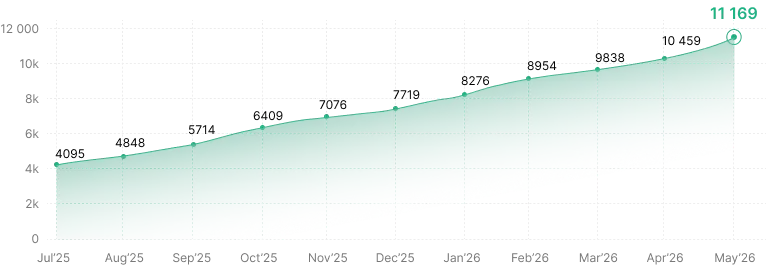
121M+Total Funded
Think they need thousands to begin
Straightforward advice for people who want to grow their money


The most common barriers aren't about money or complexity — they're about clarity and knowing where to start
Think they need thousands to begin
Worried they'll make expensive mistakes
Don't understand the terminology
Unsure which option fits their situation
Afraid of losing what they've saved

Investors who received at least one interest payment each month.

Rated 4.5 / 5 based on 779 reviews. Showing our 4 & 5 star reviews.
It's not gambling or magic — just putting money where it can work
You buy a piece of something that can increase in value over time
Longer periods smooth out volatility and let compound growth do the work
Value increases or you receive regular payments like dividends or interest
Options with bigger upside usually come with bigger swings in value
If one investment underperforms, others can balance the impact
Many platforms let you begin with modest amounts and add over time
Savings accounts keep money safe but often lose to inflation — investing gives it a chance to grow
No fees for deposits, investments or withdrawals.
A growing community built around transparent investing.
Average amount invested by active users each month.
Average interest paid to active investors each month.
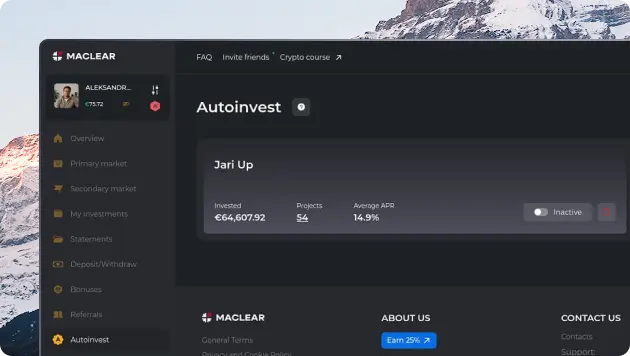
Each option has different risk levels, timelines, and ways to access your money when you need it

Supplies consumer electronics to major retailers and telecomes like Technomarket and Magnum-D

Processes, freezes and dries fruits and vegetables in a modern, fully equipped organic-focused production facility

Supply, installation and maintenance of agricultural and food equipment

Average annual return17.6%
Earned return€460
Promotions€0
Estimated returns based on target rate of 14.6% APY. Actual returns may vary. Past performance does not guarantee future results.
The right fit depends on your timeline, comfort with risk, and goals
Years matter — short timelines limit options and increase risk exposure
Honest answer only — volatility affects decision-making more than charts suggest
Some investments lock funds for months or years before you can withdraw
Management costs, transaction fees, and platform charges eat into returns over time
If the mechanics feel opaque, you'll struggle to make informed decisions later
Single bets concentrate risk — spreading across options reduces single-point failure
Returns get taxed differently depending on account type and holding period
Managed funds simplify decisions; direct investing gives you full control and responsibility
Markets shift based on interest rates, economic growth, and investor sentiment — understanding context helps you avoid reactive decisions
See trends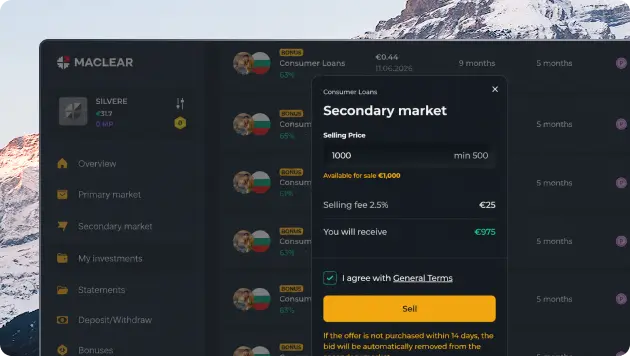
You don't need a fortune or a finance degree — these thresholds are lower than most people expect
Minimum to open most accounts
Average monthly contribution that builds over time
Three actions that move you from thinking about it to doing it

Retirement, house deposit, or income

Compare fees and ease of use

Learn by doing, not waiting
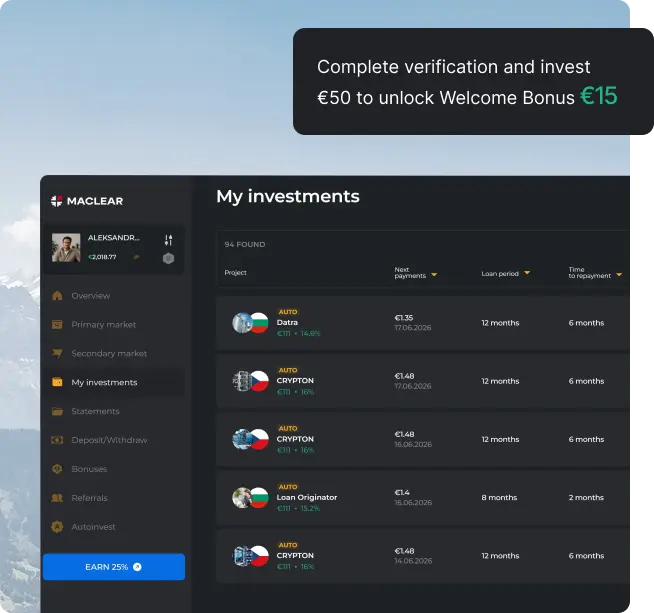

Consistency beats trying to predict market movements — regular contributions smooth out volatility

Set and forget contributions

Compound growth accelerates over time

Checking constantly increases emotional decisions

Income shifts, goals evolve, risk tolerance adjusts

Anyone who's been putting off investing because it feels complicated or exclusive. You don't need to master finance theory — just understand enough to make informed choices that match your situation.


We won't promise guaranteed returns or claim one strategy works for everyone. Investing involves risk, and what works depends on your timeline, goals, and comfort with uncertainty. We focus on helping you understand trade-offs so you can decide what fits.
 Collateral and the
Provision Fund help reduce certain risks, but do not eliminate investment risk.
Collateral and the
Provision Fund help reduce certain risks, but do not eliminate investment risk.

Investing means putting money into assets like shares, bonds, or property with the expectation they'll increase in value or generate income over time. It's a deliberate strategy to make your money work for you, not gambling or speculation.
Most P2P platforms eliminate the large entry barrier by allowing investors to begin with modest amounts. You can start small and add incrementally as your confidence and financial situation improves.
Longer investment horizons allow compound growth to smooth out market volatility and generate returns. Trying to time the market perfectly typically underperforms a patient buy-and-hold approach over years or decades.
Investments with higher potential returns generally experience greater price fluctuations and uncertainty. Understanding this trade-off helps you choose options aligned with your financial goals and comfort level.
Spreading investments across multiple holdings ensures that underperformance in one asset doesn't derail your overall strategy. If one investment struggles, others can offset the impact and stabilize your portfolio.
Returns come from capital appreciation—when your investment increases in value—and income generation through dividends or interest payments. A balanced approach captures both growth potential and steady cash flow.