Understanding Alternative Assets in Modern Portfolios
Traditional investment portfolios center on stocks, bonds, and cash equivalents. Alternative assets represent everything else. The definition encompasses private equity, hedge funds, real estate, commodities, art, collectibles, cryptocurrencies, and debt instruments that trade outside conventional exchanges. According to Preqin, global alternative assets under management reached $13.7 trillion by the end of 2023, up from $4 trillion in 2010.
Institutional investors have allocated to alternatives for decades. Yale's endowment, managed by David Swensen until his death in 2021, pioneered this approach. The fund maintained less than 10% in domestic equities while holding significant positions in venture capital, real estate, and natural resources. This allocation strategy delivered annualized returns exceeding 12% over multiple decades.
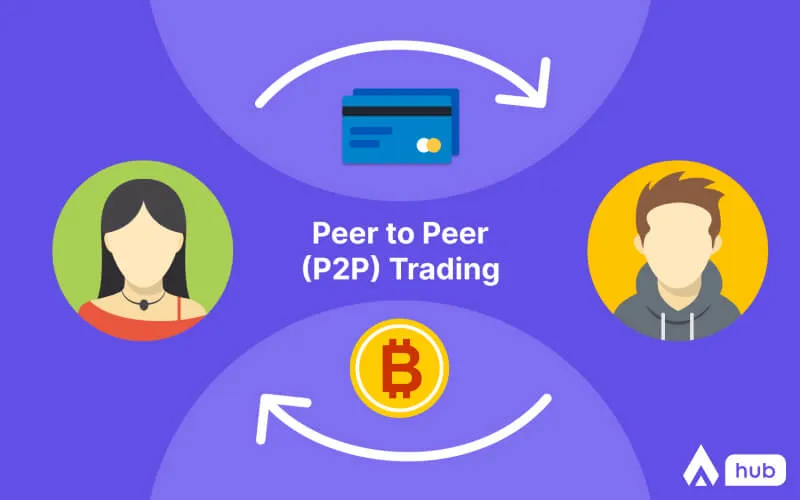
Retail investors historically faced exclusion from these markets. Minimum investment thresholds of $250,000 to $1 million blocked entry. Accredited investor requirements eliminated 90% of U.S. households from participation. Opaque pricing, limited liquidity, and high intermediary fees created additional barriers. Maclear P2P trading platforms now dismantle these obstacles.

Categories of Alternative Assets
Physical commodities include gold, silver, oil, agricultural products, and industrial metals. Investors access these through direct ownership, futures contracts, or exchange-traded products. Gold trading volume on the COMEX division of the New York Mercantile Exchange averages 25 million ounces daily, representing $50 billion in notional value at current prices.
Real estate investments extend beyond home ownership. Commercial properties, farmland, timber, and real estate investment trusts (REITs) provide income and appreciation potential. The National Council of Real Estate Investment Fiduciaries reported that U.S. commercial real estate delivered 9.8% annualized returns from 2000 to 2023, outpacing inflation by substantial margins during most periods.
Private equity and venture capital represent ownership stakes in non-public companies. Cambridge Associates data shows private equity returned 14.3% annually over the 20 years ending December 2023, compared to 9.7% for the S&P 500. These returns come with illiquidity — capital typically remains locked for seven to ten years.
Collectibles span fine art, classic cars, rare coins, wine, watches, and sports memorabilia. The Knight Frank Luxury Investment Index tracks these assets. Rare whisky appreciated 288% from 2012 to 2022, while classic cars gained 185%. Volatility runs high, and transaction costs can reach 20% to 30% of purchase price.
Cryptocurrency and digital assets emerged as a distinct alternative class. Bitcoin, Ethereum, and thousands of other tokens trade around the clock across global exchanges. Total cryptocurrency market capitalization peaked above $3 trillion in November 2021 before settling near $1.7 trillion by early 2024. Regulatory uncertainty remains a defining characteristic.
Debt instruments outside traditional bonds include peer-to-peer loans, invoice financing, litigation funding, and royalty streams. These cash-flow generating alternatives offer predictable returns but carry credit risk that requires careful assessment. Peer to peer lending has grown substantially as an accessible alternative investment option.
Why Investors Turn to Alternatives
Portfolio diversification drives alternative asset adoption. Modern portfolio theory demonstrates that combining assets with low correlation reduces overall volatility without sacrificing returns. Stocks and bonds have shown positive correlation during multiple recent market dislocations. A 2023 analysis by Morningstar found that a 60/40 stock-bond portfolio lost 16% in 2022, the worst calendar year since 1937.
Alternative assets frequently move independently of equity markets. Farmland values remained stable during the 2008 financial crisis. Gold gained 25% in 2020 while many equity sectors struggled. This low correlation provides ballast when traditional assets falter.
Inflation protection represents another motivation. Real assets like commodities, farmland, and real estate contain intrinsic value that typically rises with the price level. Between 1973 and 1982, U.S. inflation averaged 9.2% annually. Gold returned 32.6% per year during that period while stocks delivered just 6.7%.
Yield enhancement matters in a world where government bonds offer meager returns. Ten-year U.S. Treasury yields averaged 1.8% from 2010 to 2020. Alternative credit investments routinely provide 6% to 12% annual returns, though with higher risk profiles. Investors accepting illiquidity and credit risk can capture these premiums.
Access to alpha — returns above market benchmarks — attracts sophisticated investors. While passive index investing dominates public markets, alternatives often require active management skill. Top-quartile private equity managers consistently outperform bottom-quartile peers by 10 to 15 percentage points annually, according to PitchBook data.
Traditional Barriers to Alternative Asset Access
Minimum investment requirements historically limited participation. Private equity funds demand commitments of $5 million or more. Real estate syndications require $50,000 to $500,000 per deal. Hedge funds set minimums between $100,000 and $5 million. These thresholds reflect fund economics — managing small accounts costs proportionally more.
Accredited investor standards in the United States restrict alternative investments to individuals earning over $200,000 annually or possessing net worth exceeding $1 million excluding primary residence. The Securities and Exchange Commission designed these rules to protect unsophisticated investors from complex, risky products. Only 13% of U.S. households qualify under these criteria.
Information asymmetry creates disadvantages for retail participants. Institutional investors employ teams of analysts who conduct due diligence, model cash flows, and negotiate terms. Private markets lack transparent pricing. An individual buying a small stake in farmland or a private company operates with limited information compared to large funds.
Liquidity constraints bind alternative asset holders. Private equity lock-ups extend seven to twelve years. Real estate sales take months to execute. Art and collectibles require finding qualified buyers willing to pay fair prices. This illiquidity demands compensation through higher returns, but many retail investors cannot afford to tie up capital for extended periods.
High fee structures diminish net returns. Traditional alternative investment funds charge 2% annual management fees plus 20% of profits. Placement agents add another 1% to 3% at entry. When transaction costs, legal fees, and carried interest compound, investors surrender 30% to 40% of gross returns to intermediaries.
How Trading Platforms Transform Access
Fractional ownership breaks minimum investment barriers. Digital platforms tokenize alternative assets into shares worth $10 to $1,000 each. An investor can now own $500 of a Picasso painting, $1,000 of farmland in Iowa, or $200 of a litigation funding portfolio. Yieldstreet, a P2P alternative investment platform, reports an average initial investment of $5,000 compared to traditional minimums fifty times higher.
Direct matching eliminates intermediary layers. P2P platforms connect asset owners directly with buyers, removing brokers, dealers, and fund managers. Rally, a platform for collectible investments, charges a 10% sourcing fee when acquiring assets but no ongoing management fees. This structure saves investors 12% to 15% annually compared to traditional alternative investment funds.
Democratized information levels the playing field. Modern platforms provide detailed asset data, historical performance, risk analysis, and transparent pricing. Masterworks, which offers fractional art ownership, publishes every painting's purchase price, appraisals, and comparable sales data. This transparency reduces information asymmetry that previously advantaged institutions.
Secondary market creation adds liquidity. While the underlying assets remain illiquid, P2P platforms build internal marketplaces where users trade shares with each other. Otis, a collectibles platform, reports that 15% of its users have sold positions on the secondary market, exiting investments in weeks rather than years. Discounts to net asset value average 5% to 10%, but liquidity exists where none was available before.
Regulatory innovation expands participation. Regulation Crowdfunding and Regulation A+ offerings in the United States allow non-accredited investors to purchase alternative assets within annual limits. Investment caps of $2,200 to $124,000 protect inexperienced investors while granting access. The Securities and Exchange Commission reported $1.7 billion raised through Regulation Crowdfunding in 2022, a seven-fold increase from 2017. Understanding what is crowdfunding helps investors navigate these new opportunities.
Automated portfolio construction simplifies selection. P2P platforms curate assets, conduct due diligence, and assemble diversified portfolios. Fundrise, a real estate platform with over 400,000 investors, algorithmically allocates capital across dozens of properties based on user risk preferences. This removes selection burden from individual investors lacking expertise.
Risk Considerations in Alternative Markets
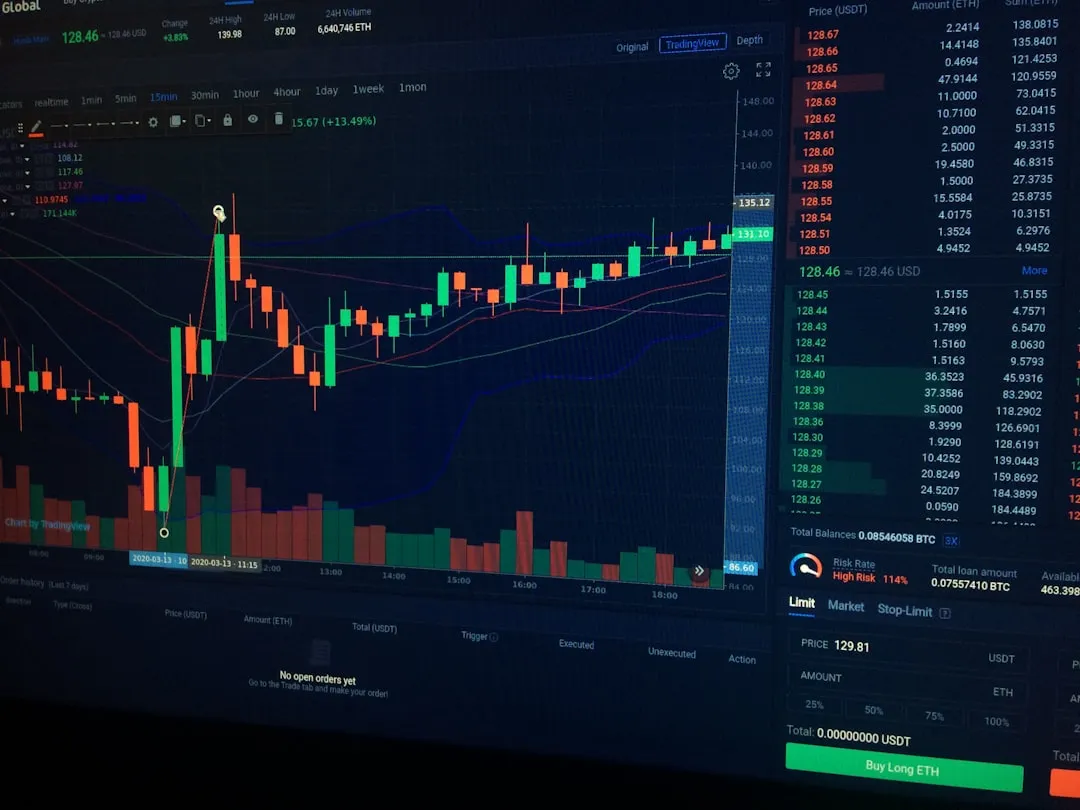
Liquidity risk persists despite secondary markets. Platform trading volume remains thin compared to public exchanges. An investor seeking to exit a $10,000 position might wait weeks for a buyer and accept a 10% discount. Platform failure could eliminate secondary market access entirely. Investors must prepare to hold positions for years.
Platform risk introduces counterparty exposure. P2P intermediaries hold custody of assets, operate technology systems, and enforce investor protections. Six crowdfunding platforms shut down between 2019 and 2023, leaving investors uncertain about asset recovery. Platform due diligence becomes as important as asset evaluation.
Valuation challenges remain acute. Alternative assets lack daily market prices. Platforms mark positions quarterly or annually based on appraisals, comparable sales, or internal models. A painting might show 15% appreciation on paper while auction results would produce a 5% loss. Inflated valuations mislead investors about actual performance.
Regulatory uncertainty creates legal risk. Securities laws governing P2P alternative investments continue evolving. The SEC has issued guidance but not comprehensive regulations. Platforms operating in gray areas might face enforcement actions that disrupt operations or invalidate investor holdings. International platforms add jurisdictional complexity.
Asset quality varies widely. Lower barriers to entry attract legitimate opportunities and questionable promoters. A 2022 University of Cambridge study found that 18% of real estate crowdfunding projects delivered returns below projections, while 7% resulted in complete capital loss. Due diligence requirements remain high despite improved access.
Concentration risk affects platform portfolios. Many P2P users hold just three to five alternative positions. A single investment representing 20% of an alternative allocation creates unacceptable risk. True diversification requires 15 to 20 uncorrelated positions, demanding capital that exceeds many retail investors' alternative allocation budgets.
Performance and Return Expectations
Historical returns on alternatives show wide dispersion. Cambridge Associates reports private equity outperformed public equities by 4 to 5 percentage points annually over 20 years. Real estate delivered similar premiums. Commodities underperformed stocks by 2 percentage points. Art and collectibles produced returns comparable to equities but with triple the volatility.
P2P platform track records remain short. Masterworks launched in 2018, Rally in 2017, Fundrise in 2012. Analyzing performance across full market cycles requires data these platforms cannot yet provide. Early results appear promising — Fundrise reports 12.3% average annualized returns from inception through 2023. Independent verification and longer time horizons will clarify whether these results persist.
Fee compression improves net returns. Traditional alternative funds charging 2% plus 20% of gains erode performance significantly. A gross return of 12% becomes 8% after fees. P2P platforms charging 1% to 1.5% with no performance fees deliver 10% to 11% net. This 2% to 3% annual difference compounds to 40% to 60% additional wealth over 20 years.
Tax treatment affects after-tax returns. Many alternative investments generate ordinary income taxed at rates up to 37% federally. Real estate offers depreciation deductions. Collectibles held over one year face 28% capital gains rates instead of the preferential 20% long-term rate. P2P investors must understand tax implications before allocating capital.
Implementing Alternative Asset Allocations
Financial advisors suggest 10% to 20% portfolio allocation to alternatives for investors with moderate risk tolerance. This range provides diversification benefits without excessive concentration in illiquid assets. Aggressive investors might reach 30%, while conservative portfolios stay below 10%. Exploring safe investment options alongside alternatives creates balanced portfolios.
Dollar-cost averaging into alternatives reduces timing risk. Rather than committing $10,000 immediately, investors can deploy $2,000 quarterly over five quarters. This approach averages entry prices and prevents overconcentration in assets purchased at peak valuations.
Diversification across alternative subcategories matters. A portfolio holding only real estate fails to achieve uncorrelated returns. Combining real estate, private credit, collectibles, and commodities creates broader diversification. Each subcategory should represent 2% to 5% of total portfolio value.
Rebalancing discipline maintains target allocations. Alternative assets appreciating faster than stocks and bonds will exceed intended weightings. Annual rebalancing sells outperformers and adds to lagging categories. This systematic approach enforces buy-low, sell-high behavior.
Tax-advantaged accounts offer limited alternative investment options. Self-directed IRAs permit certain alternatives, but custodian fees run high and prohibited transaction rules create pitfalls. Taxable accounts provide greater flexibility for P2P alternative platforms.
The Future of Alternative Asset Access
Tokenization technology will expand fractional ownership. Blockchain-based securities create programmable, divisible ownership rights. Real estate, fine art, and private company shares can trade 24/7 across global markets. Securitize and other platforms have tokenized over $600 million in assets as of 2024.
Artificial intelligence will enhance due diligence. Machine learning algorithms can analyze millions of data points to assess risk, detect fraud, and predict returns. These tools will eventually democratize the analytical capabilities institutional investors currently monopolize.
Regulatory frameworks continue evolving toward broader access. The SEC regularly reviews accredited investor definitions and crowdfunding limits. Proposals to expand participation based on financial sophistication rather than wealth alone could grant access to additional millions of investors.
Integration with traditional brokerages will mainstream alternatives. Fidelity, Schwab, and other major platforms are exploring alternative asset offerings. When investors can purchase private equity, real estate, and collectibles alongside stocks and bonds from established brokerages, adoption will accelerate dramatically. Evaluating the best investment platforms helps investors choose suitable options.
P2P trading has fundamentally changed who can access alternative assets. Technology, regulatory innovation, and fractional ownership models dismantled barriers that excluded retail investors for generations. The democratization creates opportunities but demands education, discipline, and realistic risk assessment from newly empowered participants.
