Understanding Digital Asset Acquisition in the Modern Trading Landscape
The cryptocurrency market processed over $65 trillion in trading volume during 2023, with peer-to-peer platforms accounting for approximately 18% of that total. Traditional centralized exchanges continue to dominate, yet the shift toward direct buyer-seller transactions has accelerated by 42% year-over-year according to recent industry data. This growth reflects investor demand for privacy, reduced fees, and greater control over transaction terms.
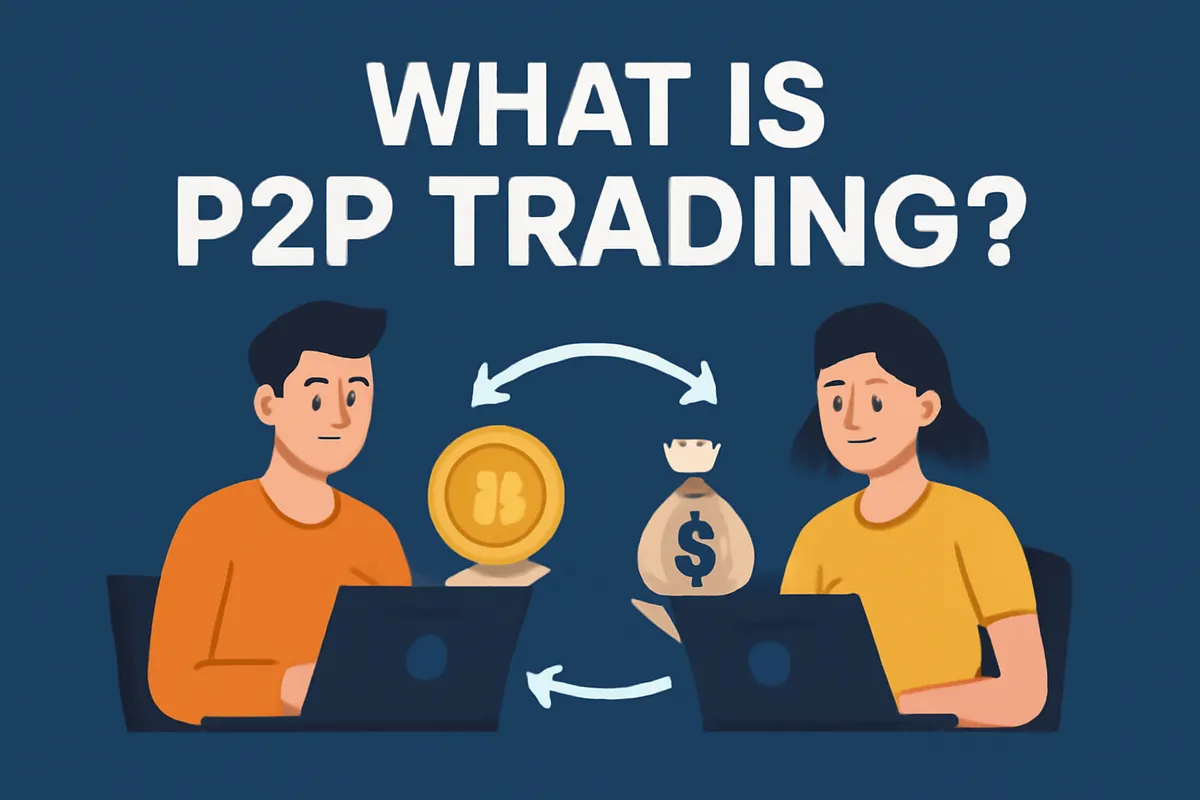
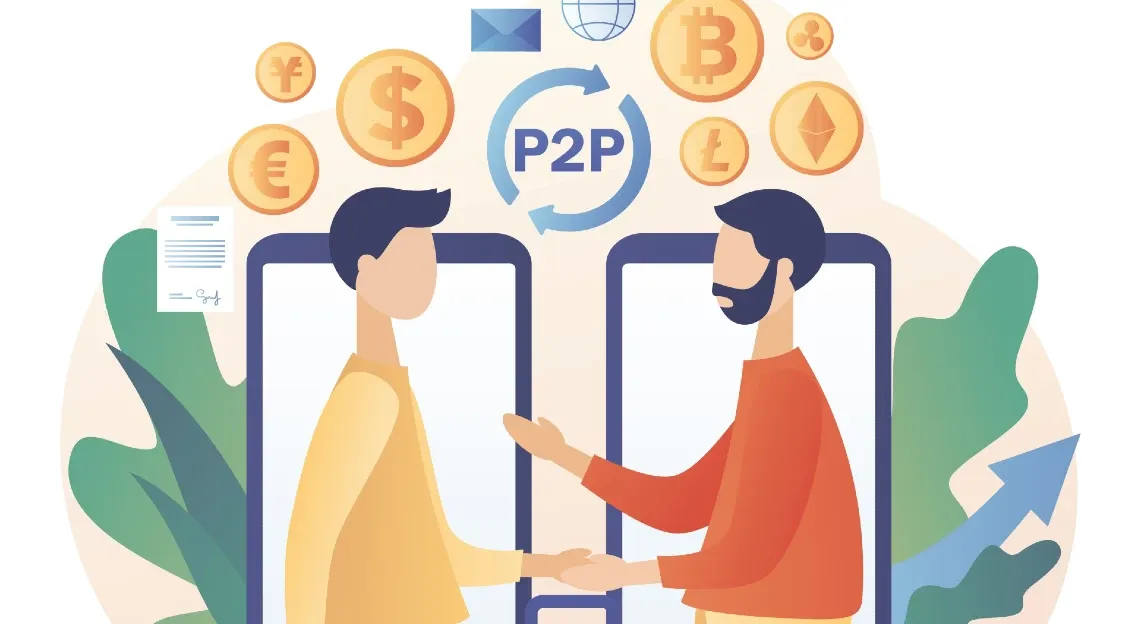
Buying assets through peer-to-peer channels differs fundamentally from platform-based exchanges. Where centralized services act as intermediaries holding funds and setting prices, P2P trading connects buyers directly with sellers. This structure eliminates third-party custody and enables negotiated pricing, but it also transfers security responsibilities to participants. Understanding these distinctions shapes every decision in the purchase process.
Market participants who skip foundational research lose an average of 23% more on transactions compared to those who complete basic due diligence, according to data from blockchain analytics firms. The difference stems not from market volatility but from avoidable errors: fraudulent counterparties, incorrect network selections, and misunderstood fee structures. These mistakes cost the industry an estimated $4.8 billion annually.
Essential Pre-Purchase Research Steps
Before initiating any transaction, verify the asset's legitimacy through multiple data sources. CoinGecko and CoinMarketCap maintain databases covering over 10,000 tokens, including contract addresses, total supply, and trading history. Cross-reference this information with the project's official documentation. Scam tokens frequently mimic legitimate projects by changing a single character in the contract address or using similar branding.
Check the asset's liquidity depth across at least three major platforms. Tokens with less than $500,000 in daily trading volume face price manipulation risks. Thin markets allow small trades to move prices by 10% or more, creating false signals that trap inexperienced buyers. Compare 24-hour volume against market capitalization; healthy ratios typically fall between 5% and 25% for established assets.
Examine the blockchain explorer specific to your target asset. Etherscan for Ethereum-based tokens, BscScan for Binance Smart Chain assets, and equivalent services for other networks provide transparent transaction histories. Review the top 100 wallet addresses. If the largest ten wallets control more than 40% of total supply, concentration risk becomes significant. Whales holding disproportionate amounts can trigger price collapses through single sell orders.
Regulatory classification matters more than many buyers recognize. The Securities and Exchange Commission has filed enforcement actions against 78 cryptocurrency projects since 2020, with settlements totaling over $2.1 billion. Assets classified as securities face trading restrictions and delisting risks. Check FinCEN and SEC databases for active investigations or past violations before committing capital.
Selecting the Right Trading Environment
P2P platforms vary dramatically in security features, user bases, and fee structures. Paxful reported 11.8 million registered users in 2023, while LocalBitcoins served approximately 4.2 million. Binance P2P and OKX P2P have grown their user counts by 67% and 53% respectively over the past 18 months. Larger platforms offer deeper liquidity but often impose stricter identity verification requirements.
Escrow mechanisms define the safety threshold for any P2P environment. Reliable platforms hold the seller's assets in escrow from the moment both parties accept a trade until the buyer confirms payment receipt. This three-step process prevents the most common fraud vector: sellers who collect payment then disappear without releasing assets. Platforms without automated escrow expose buyers to direct counterparty risk.
Fee transparency separates professional platforms from predatory ones. Total transaction costs should never exceed 2.5% for standard trades on established P2P marketplaces. This includes platform fees, network fees, and any payment processing charges. Hidden costs appear in spread manipulation, where platforms display one price but execute at another, or through mandatory "insurance" fees that duplicate escrow protections.
Geographic payment method availability determines practical access. Western users typically choose bank transfers, PayPal, or cash deposits. In regions with restricted banking systems, mobile money services like M-Pesa process 73% of P2P cryptocurrency transactions according to data from African markets. The Philippines sees 61% of trades settled through GCash and PayMaya. Match your preferred payment method to platforms supporting it natively rather than forcing workarounds.
Executing Your First Purchase Safely
Account verification requirements range from email confirmation to full Know Your Customer documentation. Tier-one verification typically requires government-issued identification and proof of address, enabling trading limits between $10,000 and $50,000 monthly. Higher tiers demand income verification and source-of-funds documentation. Complete verification before needing it; the process takes 24 to 72 hours on most platforms.
Create offers or browse existing ones based on your timing needs. Maker orders—where you post your desired price and wait for matches—often secure better rates but require patience. Taker orders—accepting existing offers—execute immediately at potentially higher costs. Price differences between these approaches average 1.8% on liquid trading pairs.
Evaluate counterparty reputation through multiple metrics. Total completed trades provide volume context, but completion rate reveals reliability. Sellers maintaining 98% or higher completion rates demonstrate consistency. Review negative feedback specifically; generic complaints about speed differ from accusations of fraud attempts. Avoid counterparties with less than 50 completed trades unless price advantages exceed 5%.
Communication clarity prevents most disputes. Before sending payment, confirm the exact amount, payment method details, and expected confirmation timeframe. Screenshot this conversation. Document every step of the payment process with timestamped evidence. P2P disputes requiring platform intervention take an average of 4.3 days to resolve, and comprehensive documentation reduces this by approximately 60%.
Release requests should come only after payment confirmation appears in the seller's account. Bank transfers showing as "pending" do not constitute completion. Wait for settlement, which ranges from minutes for domestic transfers to three business days for international wires. Premature release eliminates your leverage if payment issues arise.
Managing Network Selection and Wallet Security
Cryptocurrency networks charge vastly different fees for identical assets. Tether exists on Ethereum, Tron, Binance Smart Chain, Solana, and other chains. Ethereum network fees averaged $8.40 per transaction in early 2024, while Tron fees stayed below $0.02 for equivalent transfers. Verify which network your seller uses before providing deposit addresses. Sending funds across incompatible networks results in permanent loss.
Wallet choice determines security and accessibility. Software wallets on mobile devices offer convenience but face malware risks. Desktop wallets provide better security through larger screens that make address verification easier. Hardware wallets store private keys offline, protecting against remote attacks, but cost $60 to $200 and require technical setup.
Address verification cannot be automated away. Malware exists that replaces copied addresses with attacker-controlled alternatives. Always verify the first four and last four characters of destination addresses before confirming transactions. For large transfers, send a test amount first. The $3 network fee for a test transaction prevents potential five-figure losses.
Private key management separates long-term holders from those who lose everything. Write seed phrases on physical materials—metal plates resist fire and water damage better than paper. Never store seeds digitally, including encrypted files or password managers. Cloud storage services have leaked user data in 38 major breaches since 2020. Physical security under your direct control remains the only reliable protection.
Recognizing and Avoiding Common Fraud Patterns
Impersonation scams accounted for $1.3 billion in cryptocurrency losses during 2023 according to FBI Internet Crime Complaint Center data. Fraudsters create profiles mimicking high-reputation traders, changing a single character in usernames. Always verify you are communicating with the exact account shown in the trade interface. Check profile creation dates; accounts less than 90 days old warrant additional scrutiny.
Payment method scams exploit reversibility windows. PayPal and credit card payments can be charged back 180 days after transaction dates. Sellers who accept these methods for cryptocurrency sales face elevated fraud risk. Buyers using reversible methods should expect to pay premium rates of 5% to 15% above spot prices, reflecting this risk transfer.
Phishing websites duplicate legitimate platform interfaces to harvest login credentials. Verify URLs character-by-character before entering passwords. Bookmark official sites rather than using search engines for access. Certificate authorities issued takedown notices for 1,247 cryptocurrency phishing domains in 2023, but new fraudulent sites appear faster than old ones get removed.
Urgency tactics signal fraud attempts. Legitimate sellers do not demand immediate action or threaten to cancel trades over minor delays. "Limited time offers" and "exclusive deals" create artificial pressure that clouds judgment. Step away from any transaction that feels rushed. Missing one opportunity costs less than falling for one scam.
Post-Purchase Asset Management
Transfer purchased assets to personal wallets within 24 hours of trade completion. Platform wallets face exchange risk—the chance that the platform itself gets hacked, mismanages funds, or faces regulatory shutdown. Mt. Gox, QuadrigaCX, and FTX collapsed despite appearing stable, costing users billions. Exchanges provide trading venues, not storage solutions.
Tax obligations vary by jurisdiction but rarely disappear. The Internal Revenue Service requires reporting cryptocurrency transactions exceeding $600 in value. Capital gains apply when selling or trading assets, while purchases themselves create cost basis for future calculations. Maintain records of purchase prices, dates, and counterparty information. Reconstruction after the fact costs accountants $150 to $300 hourly.
Portfolio rebalancing depends on investment goals, not emotions. Bitcoin's 30-day volatility averaged 46% in 2023, while major altcoins exceeded 65%. Predetermined rules—sell 10% after 50% gains, add 5% after 20% declines—prevent fear-driven decisions. Emotional trading underperforms systematic approaches by an average of 8.7 percentage points annually according to behavioral finance research.
Security audits should occur quarterly at minimum. Review wallet access logs, change passwords, and verify two-factor authentication settings. Update wallet software to patch known vulnerabilities. The Ledger Connect Kit exploit in December 2023 compromised users who delayed updates beyond the 48-hour window when patches became available.
Advanced Considerations for Serious Buyers
Dollar-cost averaging reduces timing risk for long-term investment positions. Investing $500 monthly regardless of price results in better average entry points than attempting to identify bottoms. Analysis of Bitcoin purchases from 2015 through 2023 shows dollar-cost averaging outperformed lump-sum investment in 64% of rolling 12-month periods.
Privacy coins and mixing services attract regulatory attention disproportionate to their market share. Monero, Zcash, and similar assets face delisting pressure from major exchanges. Several European countries have restricted or banned privacy-focused cryptocurrencies entirely. Enhanced due diligence applies to transactions involving these assets.
Cross-border transactions trigger additional compliance requirements. Purchases exceeding $10,000 require Currency Transaction Reports in the United States. International wire transfers over $3,000 involve Bank Secrecy Act documentation. Structure transactions to avoid reporting thresholds only if doing so aligns with natural transaction patterns; deliberate structuring constitutes a federal offense.
Market timing strategies fail more often than they succeed. Studies of professional fund managers show only 17% consistently beat market averages over five-year periods. Retail traders perform worse, with 89% losing money within their first year according to brokerage data. Time in the market beats timing the market for all but the most skilled participants.
Building Long-Term Trading Success
The path from first purchase to sophisticated trading requires systematic learning and disciplined execution. Start with small amounts—$100 to $500—to understand platform mechanics without significant capital risk. Increase position sizes only after completing at least ten successful transactions. This gradual approach builds procedural knowledge and reveals personal risk tolerance through experience rather than theory.
Track performance metrics beyond simple profit and loss. Monitor time from trade initiation to completion, dispute frequency, and counterparty quality. These operational metrics identify process improvements that compound over time. A 5% improvement in average execution price, maintained across 50 annual transactions, creates meaningful performance differences. Maclear provides tools for tracking and optimizing your P2P trading performance.
The cryptocurrency ecosystem evolves rapidly. Protocol upgrades, regulatory changes, and new security threats emerge monthly. Dedicate time to ongoing education through technical documentation, security advisories, and market analysis. Communities on specialized forums provide real-time information unavailable through traditional media channels. Verify all information through primary sources before acting on it. For those exploring alternative investment through P2P trading, staying informed is essential.
Risk management determines survival more than trade selection determines success. Never allocate more than 5% of liquid net worth to any single asset. Maintain emergency reserves in stable currencies or traditional banking systems. The most profitable trade means nothing if basic living expenses become threatened. Capital preservation enables participation in future investment opportunities.
