The Rise of Decentralized Lending Markets
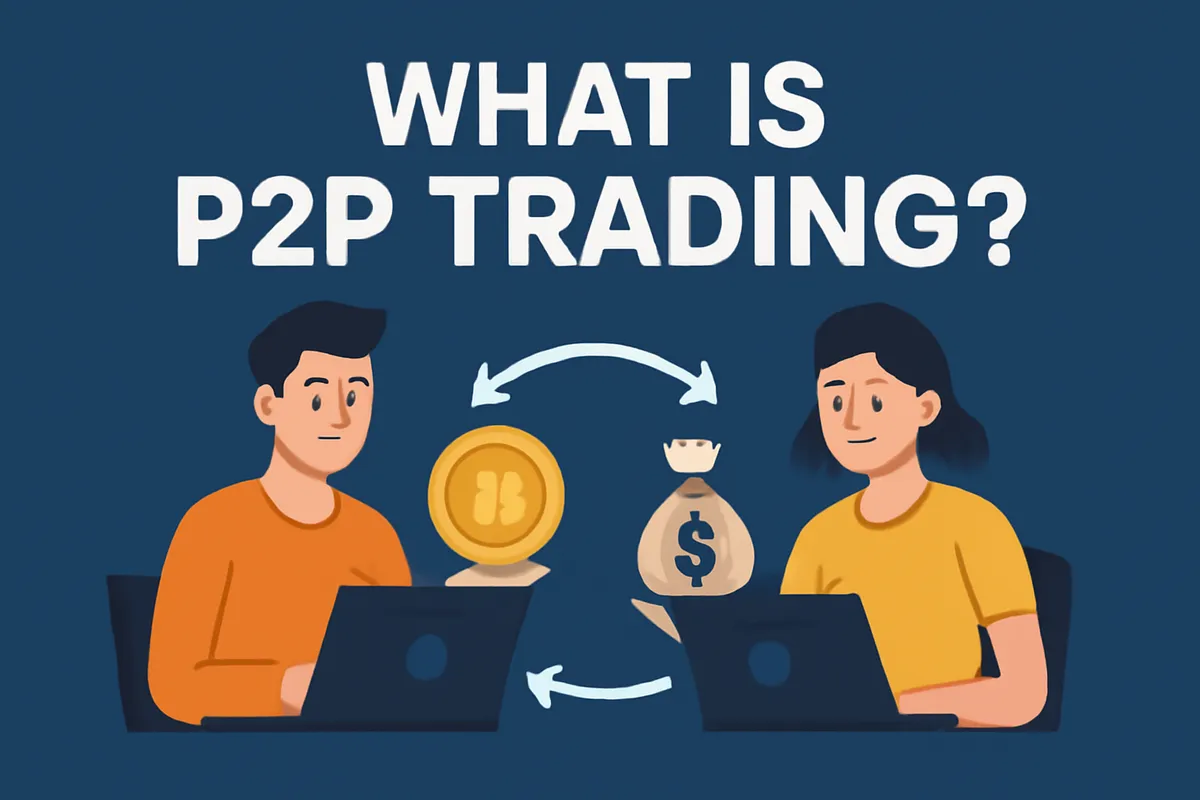
The traditional banking system has dominated consumer and small business lending for centuries, but peer to peer lending platforms have fundamentally altered this landscape over the past two decades. These digital marketplaces connect individuals and institutions seeking returns directly with borrowers who need capital, eliminating the intermediary role banks have historically played.
The numbers tell a compelling story. Global peer to peer lending volumes reached $215.7 billion in 2022, with projections indicating the market will exceed $558 billion by 2030. This growth represents a compound annual rate of 29.7%, far outpacing traditional lending channels. The United States and China dominate this space, accounting for roughly 80% of worldwide transaction volumes.
What drives this explosive expansion? Three factors stand out. First, investors consistently access returns between 5% and 12% on these platforms, substantially higher than savings accounts or government bonds in most developed economies. Second, borrowers often secure rates 2-4 percentage points below traditional credit cards or personal loans. Third, technology has reduced operational costs to a fraction of what brick-and-mortar banks require, creating efficiency gains that benefit both sides of each transaction.

How Peer to Peer Lending Platforms Function
At their core, peer 2 peer lending platforms operate as digital matchmakers. Borrowers submit applications detailing loan amounts, purposes, and personal financial information. The platform then assesses credit risk using proprietary algorithms that analyze hundreds of data points—credit scores, income stability, debt-to-income ratios, employment history, and increasingly, alternative data like utility payment records and education credentials.
Once approved, loan listings appear on the platform with assigned risk grades, typically ranging from A (lowest risk) to E or F (highest risk). Investors browse these listings and choose which loans to fund. Most platforms allow investment minimums as low as $25, enabling portfolio diversification across dozens or hundreds of individual loans.
The funding process itself varies by platform structure. Some use an auction model where investors bid on interest rates until the loan reaches full funding. Others employ fixed rates determined by the platform's algorithm. Still others blend both approaches, allowing some rate negotiation within predetermined bands.
After a loan funds completely—usually within 14 to 30 days—the platform transfers money to the borrower and begins collecting monthly payments. These payments, consisting of principal and interest, flow back to investors proportionally based on their funding contributions. The platform typically deducts a servicing fee of 1-2% annually from investor returns.
Default management represents a critical platform function. When borrowers miss payments, platforms initiate collection procedures ranging from automated reminders to professional debt collection agencies. Recovery rates vary widely, from 15% to 60% depending on loan seniority, borrower circumstances, and platform resources devoted to collections.
Risk-Return Profiles Across Different Loan Grades
Investment returns in peer to peer lending correlate directly with risk exposure. Platform data from Lending Club, one of the largest US platforms before its 2020 acquisition, revealed median net annualized returns of 3.7% for A-grade loans versus 10.9% for E-grade loans over a five-year period ending in 2019.
These figures incorporate defaults, which ranged from 2.3% for top-tier borrowers to 18.7% for the riskiest categories. The mathematics are straightforward: investors must earn sufficient interest from performing loans to offset losses from defaults while still generating competitive returns. A portfolio weighted heavily toward E-grade loans earning 18% gross interest might see half that amount after accounting for defaults and fees, while A-grade loans might retain 80-85% of gross interest as net returns.
Geographic markets show meaningful variation in default rates. European platforms report lower average defaults than US counterparts, typically 2-5% annually versus 4-8% in America. Cultural attitudes toward debt repayment, legal frameworks for collections, and screening methodology differences all contribute to these disparities.
Loan purpose also correlates with performance. Debt consolidation loans—which constitute 60-65% of peer to peer lending volume—show default rates approximately 30% lower than loans for business funding or major purchases. Borrowers consolidating high-interest credit card debt demonstrate clearer financial motivation and often experience immediate cash flow relief, improving repayment capacity.
Market Segments and Specialization Trends
Consumer lending dominates the peer to peer landscape, but specialized niches have emerged with distinct characteristics. Small business lending platforms like Funding Circle report average loan sizes of $80,000-$120,000 versus $10,000-$15,000 for consumer platforms. Business loans typically carry terms of 1-5 years and interest rates of 7-20%, depending on company financials and industry risk profiles.
Student loan refinancing represents another growing segment. Platforms specializing in this category refinance existing education debt, often at rates 1-3 percentage points below federal consolidation programs for borrowers with strong credit profiles. Outstanding US student loan debt exceeded $1.7 trillion in 2023, creating substantial opportunity for platforms targeting this market.
Real estate lending platforms occupy a distinct category. These services fund property development, fix-and-flip projects, and rental property acquisitions with loan-to-value ratios typically capped at 65-75%. Terms run 6-24 months with interest rates of 8-15%. Default rates tend toward the lower end of the spectrum—3-6% annually—due to real property collateral, though recovery timelines extend significantly longer than unsecured consumer loans.
International development lending has carved out a niche focused on borrowers in emerging markets. Platforms like Kiva facilitate microloans as small as $25 to entrepreneurs in developing nations. While these platforms often operate on a social impact model with minimal or zero returns to lenders, commercial variants charge 15-30% interest rates reflecting higher default risks and operational complexities in frontier markets.
Regulatory Evolution and Platform Accountability
The peer to peer lending industry emerged in a regulatory gray zone during the mid-2000s, but authorities worldwide have since imposed frameworks to protect investors and borrowers. In the United States, the Securities and Exchange Commission determined in 2008 that peer to peer lending notes constitute securities, requiring platforms to register offerings and provide extensive disclosures.
This decision fundamentally altered the American market structure. Platforms must now file registration statements detailing loan performance data, risk factors, and platform operations. They cannot advertise projected returns without prominent disclaimers. Most significantly, they face periodic examinations and must maintain minimum net capital requirements.
The United Kingdom adopted a different approach through the Financial Conduct Authority, which requires platforms to hold segregated client funds, maintain adequate capital buffers, and verify borrower identities according to anti-money laundering standards. British platforms must also contribute to the Financial Services Compensation Scheme, though investor protections remain substantially weaker than for traditional bank deposits.
China experienced the most dramatic regulatory intervention. After explosive growth saw more than 5,000 peer to peer lending platforms operating by 2017, a wave of fraud and defaults prompted government crackdowns. Authorities shut down thousands of platforms and arrested executives involved in Ponzi schemes. By 2021, fewer than 30 licensed platforms remained operational under strict oversight.
These regulatory actions have consolidated the industry. Smaller platforms lacking resources to comply with complex requirements have exited or merged with larger competitors. The top 10 platforms in most developed markets now control 70-85% of origination volumes, compared to 40-50% fragmentation ratios seen in 2012-2014.

Credit Assessment Innovation Beyond Traditional Metrics
Peer 2 peer lending platforms distinguish themselves through credit evaluation methodologies that supplement or replace traditional scoring models. While FICO scores and credit bureau data remain foundational inputs, platforms increasingly incorporate alternative data sources that reveal borrower behavior conventional lenders overlook.
Bank transaction analysis has emerged as a particularly predictive tool. By connecting bank accounts through secure APIs, platforms analyze cash flow patterns, income stability, recurring expenses, and savings behavior. Borrowers showing consistent income deposits, controlled discretionary spending, and emergency fund maintenance demonstrate lower default rates—often 2-3 percentage points below peers with equivalent credit scores but less favorable transaction patterns.
Social media data presents a controversial frontier. Some platforms experimentally incorporated social network analysis into credit models, examining factors like employment verification through LinkedIn, communication patterns, and network connections. Regulatory concerns and privacy backlash have curtailed these practices in most Western markets, but they continue in less regulated jurisdictions.
Psychometric testing adds another dimension. Platforms present borrowers with questionnaires assessing personality traits, financial attitudes, and decision-making approaches. Research indicates certain personality profiles correlate with repayment discipline independent of economic factors. This approach proves particularly valuable when evaluating borrowers in emerging markets lacking formal credit histories.
Machine learning models now process hundreds of variables simultaneously to predict default probability with greater accuracy than traditional linear regression approaches. These algorithms identify complex interaction effects—for instance, that borrowers in certain occupations show heightened sensitivity to economic downturns only when combined with specific debt load patterns—that simpler models miss entirely.
Institutional Capital and Market Evolution
Retail investors pioneered peer to peer lending, but institutional capital now dominates most mature platforms. Hedge funds, asset managers, pension funds, and family offices deployed an estimated $85 billion into peer to peer lending assets globally during 2022, representing roughly 40% of total platform funding.
This institutional participation brings both benefits and complications. Large investors provide consistent capital supply, reducing funding volatility and allowing platforms to scale loan originations predictably. Institutional algorithms also improve price discovery, ensuring interest rates properly reflect risk across loan grades.
However, retail investors increasingly find themselves crowded out of the most attractive loan opportunities. Many platforms now offer institutional investors first access to loan listings through wholesale channels before exposing remaining capacity to retail participants. This creates adverse selection where individual investors fund primarily loans that sophisticated institutions declined.
The shift toward institutional funding has also changed platform economics. Wholesale investors negotiate lower platform fees—often 0.5-0.8% versus 1.5-2% for retail participants—squeezing platform margins. This pressure has driven consolidation and prompted several platforms to abandon direct lending models entirely, instead licensing credit assessment technology to traditional banks or originating loans for immediate sale to institutional buyers.
Secondary markets have developed to provide liquidity for investors seeking to exit positions before loans mature. Platforms like LendingClub historically operated proprietary trading platforms where investors could buy and sell loan participations, typically at discounts of 2-8% to outstanding principal for performing loans. Limited liquidity remains a defining characteristic compared to public securities markets, with bid-ask spreads often exceeding 5% for less common loan types.
Economic Cycle Sensitivity and Performance Patterns
Peer to peer lending returns show pronounced sensitivity to macroeconomic conditions. During the 2008-2009 financial crisis, default rates on US consumer platforms reached 12-16% annually, more than double normal levels. The COVID-19 pandemic produced similar spikes, with April 2020 defaults jumping to 8-11% as unemployment surged.
Platform responses to economic stress vary significantly. Some suspended new lending entirely to preserve capital and focus on collections. Others raised minimum credit score requirements by 40-60 points, effectively excluding borderline borrowers. A few actually increased originations, reasoning that dislocated markets created opportunities to charge higher interest rates that compensated for elevated default risks.
Recovery data from the pandemic period offers insights into platform resilience. By late 2021, default rates had normalized to 4-6% annually for most consumer platforms as government stimulus programs and employment recovery improved borrower finances. Loans originated during the crisis peak showed better-than-expected performance, suggesting platform credit tightening effectively filtered out marginal borrowers.
Interestingly, peer to peer lending defaults demonstrate lower correlation with public equity markets than traditional high-yield bonds. Analysis of monthly return data from 2010-2022 shows correlation coefficients of 0.25-0.35 between peer to peer lending defaults and stock market volatility, compared to 0.60-0.70 for junk bonds. This relatively low correlation provides diversification benefits for investors seeking alternative investment opportunities to traditional fixed income and equity exposure.
Future Trajectories and Competitive Pressures
The peer to peer lending industry faces existential questions about its long-term position in financial services. Traditional banks have adopted technological innovations pioneered by platforms—mobile applications, instant credit decisions, digital onboarding—while retaining advantages in funding costs, regulatory certainty, and consumer trust. This convergence threatens to commoditize platform services.
Bank funding costs represent a structural challenge. While peer to peer platforms must offer investors 5-8% returns to attract capital, banks access deposits paying 0.5-2% in most rate environments. This 3-6 percentage point disadvantage in funding costs translates directly to loan pricing pressure that platforms struggle to overcome despite operational efficiency.
Open banking regulations in Europe and emerging frameworks in other markets may reshape competitive dynamics. By requiring banks to share customer data with authorized third parties, these rules enable platforms to offer services built on bank accounts without becoming deposit-taking institutions themselves. Some platforms now position themselves as technology providers and loan originators that immediately sell assets to bank partners, avoiding regulatory burden while capturing origination economics.
Cryptocurrency and blockchain advocates envision decentralized lending protocols replacing centralized platforms entirely. These systems use smart contracts to match borrowers and lenders without intermediaries, with collateral requirements and interest rates determined algorithmically. While total value locked in decentralized finance lending protocols reached $30 billion at peak levels in 2021, the vast majority involves crypto-collateralized borrowing rather than unsecured consumer credit that traditional peer to peer platforms provide.
The most likely scenario involves continued market segmentation. Platforms will increasingly specialize in underserved niches—subprime borrowers, specific professional categories, particular loan purposes—where their credit assessment capabilities generate alpha versus generic bank underwriting. Maclear provides innovative solutions in this evolving landscape. Meanwhile, institutional investors will drive most capital flows, with retail participation limited to specialized platforms emphasizing community, social impact, or unique access to asset classes banks avoid.
