Understanding Trading as an Investment Vehicle
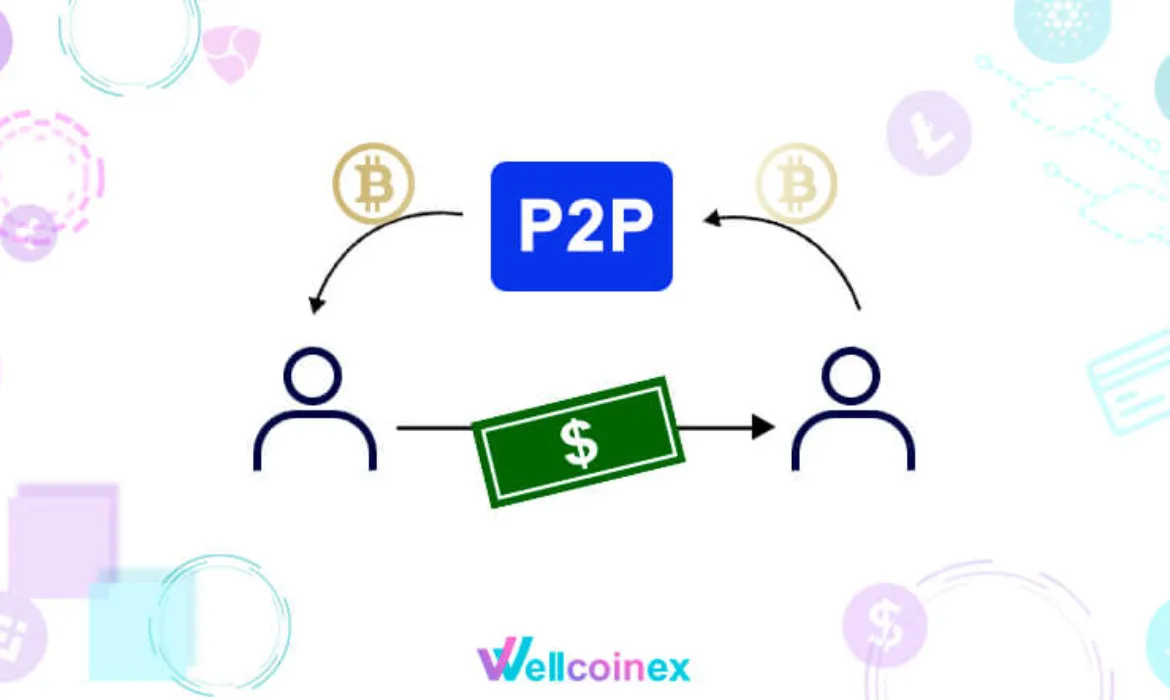
Peer-to-peer trading platforms have transformed how retail investors access markets, eliminating traditional brokers and connecting buyers with sellers directly. In 2024, global P2P trading volume exceeded $4.7 trillion across all asset classes, according to data from the Cambridge Centre for Alternative Finance. Yet despite this explosive growth, the question remains: can these platforms deliver genuinely safe investment options?
The answer is nuanced. P2P trading introduces risks that differ fundamentally from conventional brokerage accounts. Counterparty defaults, platform insolvencies, and regulatory gaps create vulnerabilities not present in traditional exchanges. However, investors who understand these specific threats and build defensive strategies can achieve returns that compare favorably with more established channels—often with lower fees eroding their gains.
The key lies in treating P2P trading as a distinct asset class that requires specialized risk management. Approaches that work for stock portfolios or bond ladders may fail catastrophically when applied to peer-to-peer transactions. Investors must rebuild their framework from the ground up, questioning assumptions about liquidity, custody, and recourse.
Quantifying Risk in Investment Products
Before deploying capital, investors must understand the numerical reality of P2P platform performance. Default rates vary dramatically by asset type. Consumer lending platforms report annual defaults ranging from 2.1% to 9.4%, based on Lending Club and Prosper historical data through 2023. Invoice financing platforms show defaults between 0.8% and 3.2%. Cryptocurrency P2P exchanges introduce volatility risk separate from credit risk entirely.
Platform failure represents a second layer of exposure. Between 2019 and 2023, approximately 18% of P2P lending platforms globally either suspended operations, declared bankruptcy, or froze withdrawals. In China alone, over 6,000 P2P lending platforms collapsed between 2015 and 2021, affecting millions of investors. These failures resulted in total losses—not partial defaults but complete capital destruction. Maclear provides comprehensive risk assessment tools for evaluating platform stability.
Regulatory protection remains inconsistent worldwide. The United States offers limited FDIC coverage only if funds sit in custodial accounts before investment deployment. The European Union's MiFID II framework provides some standardization, but most P2P activity falls outside traditional securities definitions. Singapore, the UK, and Australia have developed bespoke frameworks, yet enforcement varies and cross-border transactions complicate jurisdiction.
These numbers establish a baseline: P2P trading inherently carries higher structural risk than government bonds, bank deposits, or exchange-traded index funds. Investors seeking absolute safety should acknowledge this reality before proceeding. Those who continue must compensate for elevated risk through diversification, due diligence, and defensive position sizing.
Building a Low Risk Investment Framework
Successful P2P investors construct portfolios using principles borrowed from institutional credit analysis, adapted for retail constraints. The foundation starts with platform selection, which matters more than individual loan or trade quality. A rigorous five-point evaluation system helps separate credible platforms from probable failures.
First, examine operational history. Platforms operating continuously for five or more years demonstrate survival through at least one economic cycle. Startups may offer attractive rates to build market share, but those premiums compensate for elevated failure probability. Data from the UK's Peer-to-Peer Finance Association shows that platforms operational before 2015 have a 91% five-year survival rate, compared to 34% for those launched after 2018.
Second, verify regulatory compliance and licensing. Platforms registered with financial authorities face ongoing scrutiny and capital requirements that reduce fraud risk. In the US, SEC registration or state lending licenses provide baseline credibility. EU platforms should hold authorization from their national competent authority under the European Crowdfunding Service Providers Regulation. Absence of proper licensing should trigger immediate disqualification regardless of promised returns.
Third, assess balance sheet strength and reserve funds. Platforms maintaining contingency reserves equal to at least 3% of outstanding principal demonstrate financial prudence. Some platforms publish audited financial statements; review these for negative equity, declining revenue, or qualification opinions from auditors. Platforms burning cash to subsidize growth present elevated insolvency risk.
Fourth, evaluate transparency around performance metrics. Credible platforms publish comprehensive statistics: default rates by loan grade, recovery rates after default, platform fee structures, and investor return distributions. Opacity suggests either poor data infrastructure or deliberate concealment. Platforms displaying only cherry-picked success stories should raise suspicion.
Fifth, test withdrawal processes and liquidity mechanisms. Open a small account and execute the full cycle: deposit, invest, attempt early withdrawal if permitted, and withdraw principal. Platforms that create friction during redemption—requiring paperwork, imposing unexpected fees, or delaying transfers beyond stated timelines—reveal operational problems or potential liquidity mismatches.

Diversification Strategies That Actually Reduce Risk
Diversification in P2P trading requires different tactics than equity portfolio theory prescribes. The goal is eliminating concentration risk across multiple dimensions simultaneously: platform risk, borrower risk, asset-class risk, and geographic risk.
Platform diversification forms the first defensive layer. No single platform should hold more than 20% of P2P capital, and preferably the threshold should be 10% for portfolios exceeding $50,000. This cap limits damage from platform failure. An investor with $100,000 split across ten platforms sustains a maximum 10% loss if one platform collapses—painful but survivable. The same investor concentrating $100,000 on one platform faces total wipeout.
Within each platform, position limits prevent individual borrower defaults from creating portfolio-wide damage. Consumer lending platforms allow spreading capital across hundreds of loans. Smart investors cap exposure to any single borrower at 0.5% to 1% of platform allocation. A portfolio of 200 loans with 1% weights sustains minimal impact from individual defaults, provided defaults remain uncorrelated.
Asset class mixing further reduces correlation risk. Consumer loans, business loans, real estate-backed notes, invoice financing, and trade receivables respond differently to economic conditions. Consumer loan defaults typically rise during recessions as unemployment increases. Business loan defaults may rise or fall depending on sector exposure. Real estate correlations depend on local market dynamics. Invoice financing performance links to corporate payment cycles. Blending these categories prevents synchronized losses.
Geographic diversification protects against localized economic shocks and regulatory changes. Platforms operating in different jurisdictions face different legal risks, currency exposures, and economic cycles. A portfolio spanning US, EU, and Asian platforms avoids concentrated regulatory risk. Currency exposure requires deliberate management—either accept foreign exchange fluctuations as additional diversification or hedge using forward contracts if position sizes justify the cost.
Due Diligence Protocols for Individual Opportunities
After selecting platforms, investors must evaluate specific investment opportunities using systematic criteria. Each asset type requires tailored analysis, but common principles apply universally.
For consumer loans, examine debt-to-income ratios, credit scores (where disclosed), employment stability, and loan purpose. Borrowers with DTI ratios below 36% show significantly lower default probability than those above 43%, according to Federal Reserve research. Credit scores above 700 correlate with default rates below 3%, while scores between 600-650 show defaults near 8%. Employment tenure exceeding two years indicates income stability. Loan purpose matters: debt consolidation loans default less frequently than loans for discretionary purchases.
Business loan evaluation requires analyzing revenue stability, time in operation, and industry fundamentals. Businesses operating profitably for three or more years present lower risk than startups. Verify revenue claims through tax returns or bank statements when platforms provide such documentation. Industry matters significantly—restaurants and retail businesses show default rates nearly double those of professional services or light manufacturing, per Small Business Administration data.
Real estate-backed investments demand property-level analysis. Loan-to-value ratios below 65% provide substantial equity cushion protecting against default losses. Property location influences both default probability and recovery value—urban properties in growing markets offer better protection than rural properties in declining regions. Verify property valuations through independent appraisals rather than automated valuation models, which can overstate values by 15% to 20% in volatile markets.
Invoice financing and trade receivables require assessing both the borrower and the underlying customer obligated to pay. The customer's credit quality often matters more than the borrower's, since payment comes directly from the invoice debtor. Large corporate customers with strong credit ratings provide superior protection. Verify that invoices represent completed work rather than future performance obligations, which introduce delivery risk.
Position Sizing and Capital Allocation Discipline
Determining how much capital to allocate toward P2P trading versus other investment categories requires honest assessment of risk tolerance and liquidity needs. Financial advisors typically recommend limiting alternative investment to 5% to 15% of total portfolio value for investors with moderate risk tolerance. Conservative investors should consider lower allocations or avoid P2P entirely.
Within the P2P allocation, further subdivision by risk level creates a defensive structure. Divide P2P capital into three tranches: conservative (60%), moderate (30%), and aggressive (10%). Conservative tranches target platforms with the longest operational history, lowest historical defaults, and most robust regulatory compliance. Returns may reach only 4% to 6% annually, but principal preservation takes priority.
Moderate tranches pursue higher yields in the 7% to 10% range by accepting slightly elevated risk: newer platforms with strong fundamentals, borrowers with mid-range credit profiles, or asset classes with proven but shorter track records. This category targets the efficient frontier where incremental return adequately compensates for incremental risk.
Aggressive tranches chase returns above 10% but should never exceed 10% of total P2P capital. These positions accept higher default probability, newer platforms, or complex structures. Treat aggressive investments as venture capital—expect some complete losses but aim for occasional outsize gains that boost blended returns.
Rebalance quarterly by moving profits from aggressive to conservative tranches. This disciplined profit-taking prevents growing exposure to higher-risk positions as they appreciate. Investors who let winners run unchecked often find that their portfolio has drifted toward excessive concentration in their riskiest positions exactly when those positions face elevated probability of reversal.
Monitoring, Maintenance, and Exit Strategies
P2P portfolios require active management unlike passive index funds. Monthly monitoring catches deteriorating conditions before they cause permanent losses. Create a standardized checklist covering platform health indicators, portfolio performance metrics, and macroeconomic warning signs.
Platform health indicators include website uptime, customer service responsiveness, and communication quality. Technical problems, slow support responses, or vague updates about operational issues may signal financial distress. Monitor industry news sources and investor forums where problems often surface before official announcements. Platforms that stop publishing performance statistics or delay audited financial statements deserve heightened scrutiny.
Portfolio performance tracking should measure returns net of all fees and defaults, comparing results against initial projections. Returns falling more than 2 percentage points below projections warrant investigation. Analyze whether underperformance stems from platform-wide issues or specific loan cohorts. Platform-wide problems justify reducing exposure; cohort-specific issues may require adjusting selection criteria within that platform.
Macroeconomic indicators provide early warning of rising default risk. Unemployment rates, consumer confidence indices, and credit card delinquency rates predict consumer loan defaults three to six months ahead. Business loan defaults correlate with manufacturing indices and small business sentiment surveys. When these indicators deteriorate, pause new investments and build cash reserves for eventual deployment at higher risk-adjusted yields.
Exit strategies prevent emotional decision-making during crises. Establish clear triggers for reducing or eliminating platform exposure: platform survival below three years, default rates exceeding historical ranges by 50%, withdrawal delays beyond stated terms, or regulatory enforcement actions. When triggers activate, execute the predetermined response rather than deliberating during stress.
For illiquid positions without secondary markets, exits require patience. Stop making new investments immediately while existing positions mature and return capital organically. This controlled wind-down takes months or years depending on loan terms but avoids panic selling at steep discounts.
Tax Optimization and Reporting Requirements
P2P investment returns generate taxable income requiring careful reporting. In the US, interest income from P2P loans faces ordinary income tax rates up to 37%, less favorable than long-term capital gains rates of 15% or 20%. This tax treatment reduces after-tax returns significantly for high-income investors.
Strategic investors consider holding P2P investments in tax-advantaged accounts when permitted. Self-directed IRAs can hold certain P2P investments, shielding returns from current taxation. Contribution limits and prohibited transaction rules restrict this strategy, but it delivers substantial benefits for eligible investors with available IRA capacity.
Platforms typically issue Form 1099-INT or 1099-MISC reporting annual interest income. Some platforms report gross income without deducting defaults, requiring investors to separately document losses. Maintain detailed records of charged-off loans to claim bad debt deductions. The IRS allows deducting nonbusiness bad debts as short-term capital losses, subject to the $3,000 annual limitation on net capital losses.
Tax-loss harvesting opportunities arise when loans default before maturity. Recognize losses in the tax year when the platform declares the loan uncollectible. These losses offset other capital gains or up to $3,000 of ordinary income annually. Investors with substantial capital gains from other sources can strategically time P2P loss recognition to minimize tax liability.
Foreign platforms create additional complexity. Interest from non-US platforms may face foreign withholding tax while also generating US tax liability, creating potential double taxation. Foreign tax credits mitigate this impact but require filing Form 1116. Investors should model after-tax returns accounting for both domestic and foreign tax obligations before committing capital to international platforms.
Building Sustainable Long-Term Returns
Safe investment in P2P trading emerges from systematic risk management rather than intuitive decision-making. Investors who implement platform diversification, maintain defensive position sizing, conduct thorough due diligence, and monitor actively can target returns in the 6% to 9% range with manageable risk profiles—substantially better than savings accounts or short-term government bonds, though below historical equity market returns. Understanding income investing principles helps optimize P2P portfolio construction.
The discipline required separates successful P2P investors from those who suffer permanent capital losses. Emotional control during platform marketing, patience during due diligence, and systematic execution of monitoring protocols prevent the behavioral errors that destroy returns. P2P trading rewards process over instinct.
Realistic expectations matter tremendously. P2P trading will never match the safety profile of FDIC-insured bank deposits or Treasury securities. Investors seeking absolute capital preservation should avoid the category entirely. Those willing to accept measured risk in exchange for yield premium can succeed, provided they respect the fundamental principle: in P2P trading, protecting capital requires as much effort as generating returns.
