

121M+Total Funded
Average campaign raises €45,000 to €200,000
Connect with people ready to back your business for equity or returns


Businesses use crowdfunding to expand product lines, hire teams, open locations, and scale operations without traditional bank debt
Average campaign raises €45,000 to €200,000
Typical funding round closes in 30 to 90 days
Equity stakes range from 5% to 20%
Minimum investment starts at €100 to €500
Campaigns run by verified businesses only

Investors who received at least one interest payment each month.

Rated 4.5 / 5 based on 779 reviews. Showing our 4 & 5 star reviews.
You pitch your business, set terms, and investors decide if it's worth backing
Equity gives investors ownership. Debt requires repayment. Revenue share splits future income.
Define how much you need, what you'll offer, and when investors can expect returns.
Platform reviews your application to confirm you meet regulatory and business standards.
Investors browse your campaign, ask questions, and commit funds if terms align with their goals.
Once the campaign closes, you receive capital and investors get shares or debt agreements.
Investors expect regular updates on how you're using their money and hitting growth targets.
You keep control, build a community of supporters, and avoid traditional lender requirements
No fees for deposits, investments or withdrawals.
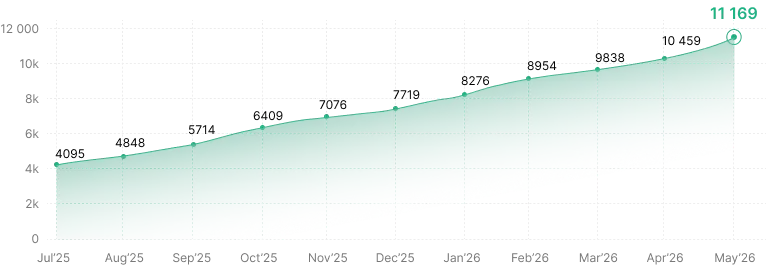
A growing community built around transparent investing.
Average amount invested by active users each month.
Average interest paid to active investors each month.
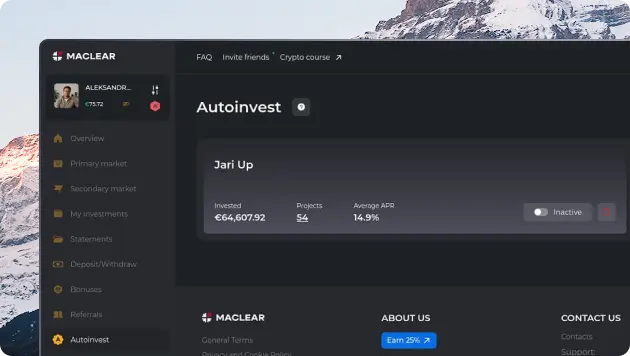
Browse businesses currently raising capital for expansion, product development, and market entry
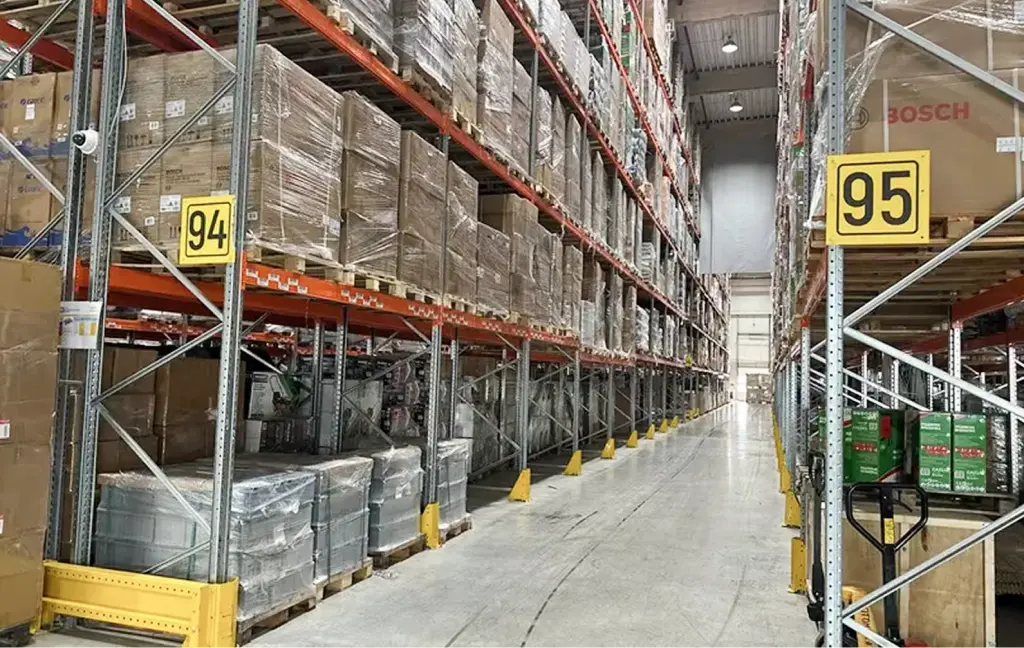
Supplies consumer electronics to major retailers and telecomes like Technomarket and Magnum-D

Processes, freezes and dries fruits and vegetables in a modern, fully equipped organic-focused production facility

Supply, installation and maintenance of agricultural and food equipment

Average annual return17.6%
Earned return€460
Promotions€0
Estimated returns based on target rate of 14.6% APY. Actual returns may vary. Past performance does not guarantee future results.
Running a campaign means giving up equity or taking on debt obligations
Most platforms want revenue history, not just an idea
Equity means sharing ownership. Debt means fixed repayments regardless of profit.
Expect legal fees for shareholder agreements, disclosures, and filings
You'll spend weeks answering investor questions and promoting the raise
Some platforms cap how much you can raise or require you to hit a floor
Equity investors may get voting rights, board seats, or veto power on decisions
Investors want to know how and when they'll cash out or see returns
Fees range from 3% to 8% of funds raised, plus payment processing
Browse campaigns by industry, funding goal, and stage to see what businesses are raising and what investors are backing
View campaigns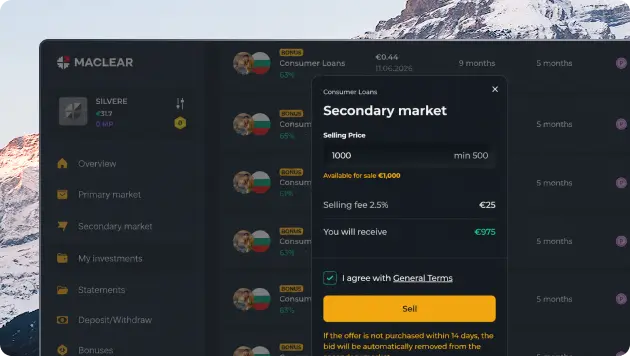
Track record of businesses that launched campaigns, hit targets, and delivered returns to investors over the past year
68% of campaigns reach their funding goal
Average return for investors: 8% to 14% annually
Set up your profile, submit your pitch, and launch your campaign

Business details and verification

Pitch, financials, and terms

Promote and close your round
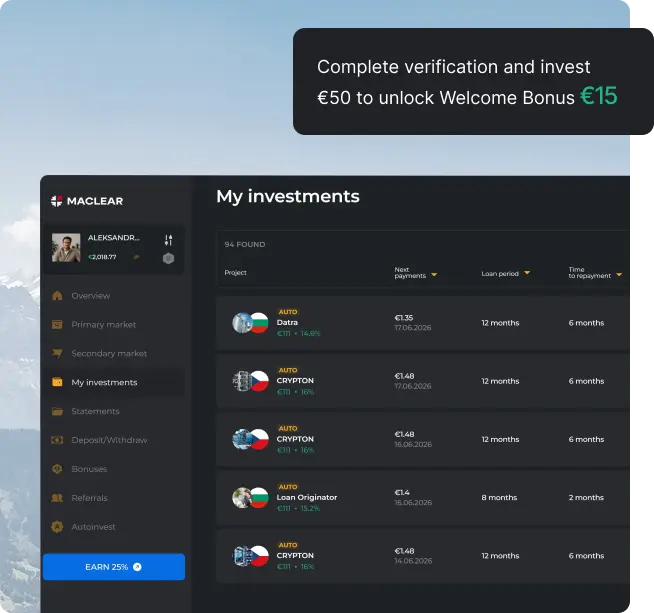

Backers get early access to deals, voting rights, and potential returns when your business grows

Share in future profits

First look at next rounds

Influence major business moves

Monthly or quarterly reports

We connect businesses looking for growth capital with investors who want exposure to early-stage opportunities. Every campaign goes through verification to confirm financials, legal structure, and business viability before going live.


Every business submits audited financials, shareholder agreements, and growth projections. Investors see the same documents we review. If a campaign fails to meet terms, we publish the outcome and any corrective actions taken.
 Collateral and the
Provision Fund help reduce certain risks, but do not eliminate investment risk.
Collateral and the
Provision Fund help reduce certain risks, but do not eliminate investment risk.

Most business crowdfunding campaigns on peer-to-peer platforms raise between €45,000 and €200,000. Funding rounds typically close within 30 to 90 days, allowing founders to access capital quickly without lengthy bank approval processes.
Equity stakes in crowdfunded businesses typically range from 5% to 20% depending on the funding amount and company stage. Individual investor minimums start at €100 to €500, making ownership participation accessible across different capital levels.
Founders can choose equity ownership transfer, debt repayment agreements, or revenue share arrangements. Equity gives investors ownership stakes; debt requires scheduled repayment; revenue share splits future company income with backers based on agreed percentages.
Only verified businesses meeting regulatory and operational standards can launch crowdfunding campaigns. The platform reviews applications for financial credibility, legal structure clarity, and business viability before approving any pitch to public investors.
Capital transfers directly to the founder's account once the funding goal is met and the campaign closes. Investors simultaneously receive formal agreements—either equity certificates, debt notes, or revenue-sharing contracts—depending on the chosen model.
Founders are required to provide regular updates covering financial performance, milestone progress, and capital deployment to their investor base. This transparency builds trust and keeps backers informed about how their money drives business growth and operational decisions.