

121M+Total Funded
Over $1.5B raised on equity platforms yearly
Browse crowdfunding opportunities across startups, property, and businesses


Crowdfunding has grown from niche experiment to mainstream funding channel, with billions deployed annually across property, equity, and debt deals
Over $1.5B raised on equity platforms yearly
Real estate deals from $10K to $10M+
Average startup round closes in 30-60 days
Platforms take 3-7% of capital raised
Most campaigns raise under $500K total

Investors who received at least one interest payment each month.

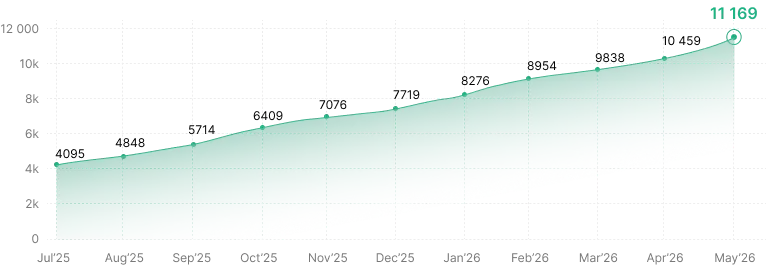
Rated 4.5 / 5 based on 779 reviews. Showing our 4 & 5 star reviews.
Money flows from many small backers to one project or company
Startups or property sponsors publish the opportunity with target raise, valuation, and use of funds
You check financials, team background, market fit, and comparable deals before deciding
Money stays protected until the campaign hits its funding goal or deadline
You receive equity certificates, property units, or debt notes depending on the deal structure
Companies share financial performance, milestones, and any material changes affecting your stake
Returns come from acquisition, IPO, dividend payments, or scheduled loan repayment
Access deals that were once restricted to venture firms and institutional buyers
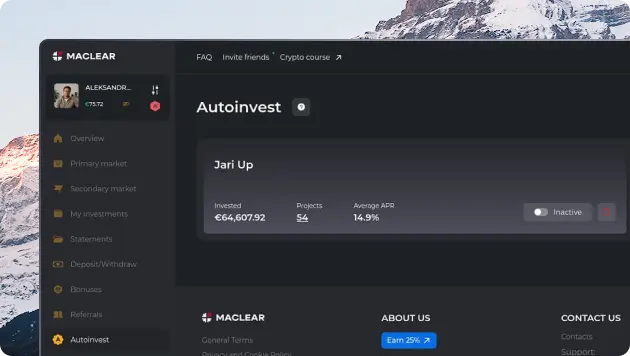
No fees for deposits, investments or withdrawals.
A growing community built around transparent investing.
Average amount invested by active users each month.
Average interest paid to active investors each month.
Curated deals across tech, property, and consumer brands currently raising capital

Supplies consumer electronics to major retailers and telecomes like Technomarket and Magnum-D

Processes, freezes and dries fruits and vegetables in a modern, fully equipped organic-focused production facility

Supply, installation and maintenance of agricultural and food equipment

Average annual return17.6%
Earned return€460
Promotions€0
Estimated returns based on target rate of 14.6% APY. Actual returns may vary. Past performance does not guarantee future results.
Not all platforms vet deals the same way or charge the same fees
Some require $100, others $10K, and most lock funds for 3-7 years
Carried interest, transaction fees, or annual management charges vary widely
Some platforms restrict access to accredited investors or residents of certain countries
Check if the platform reviews financials, verifies claims, or just hosts the listing
A few platforms let you sell shares early, most don't offer liquidity until exit
Ask how many deals failed, how many returned capital, and average hold time
Quarterly updates with financials are standard, anything less is a warning sign
Confirm the platform is registered or exempt under local securities law
See minimum buy-ins, asset types, fees, investor requirements, and average deal size across the top crowdfunding platforms
Compare now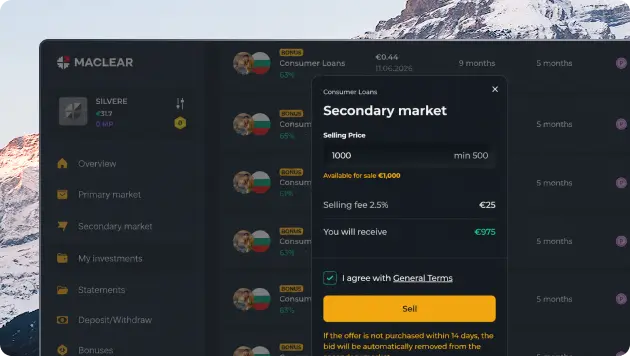
Most experienced crowdfunding investors spread capital across multiple deals to offset the risk of total write-offs
Allocate no more than 5-10% of investable assets
Hold at least 8-12 positions to balance failures
From account setup to first investment usually happens in under a week

Upload ID and proof of address

Wire transfer or ACH accepted

Review terms, then confirm investment
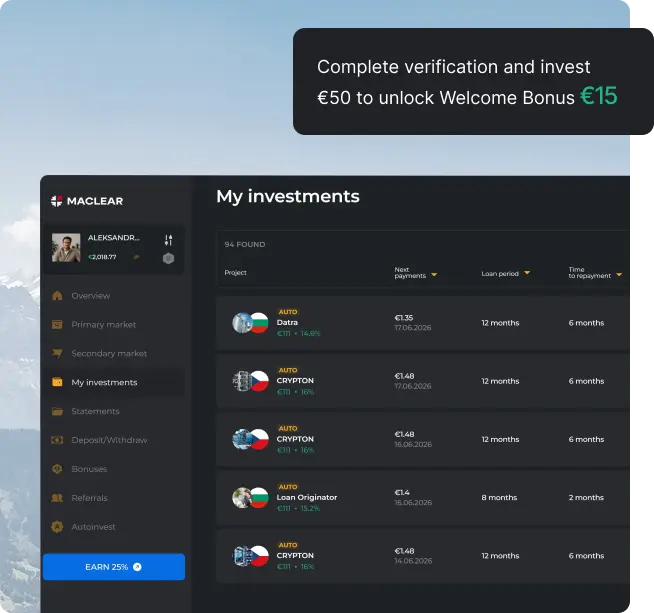

Some platforms reward repeat backers with early access, reduced fees, or bonus allocation

See opportunities before public launch

Lower carry or transaction charges

Ask questions before committing

Earn credits when others join

Instead of one venture firm writing a single check, hundreds of individual investors each contribute smaller amounts to fund the same project. It opens access but also spreads risk across people who may lack institutional support if things go wrong.


Look for clear reporting on fee breakdowns, past deal outcomes, default rates, and any conflicts of interest. Platforms that hide failure data or bury fee details in fine print should raise concern. The best ones publish annual performance summaries and let you contact previous investors.
 Collateral and the
Provision Fund help reduce certain risks, but do not eliminate investment risk.
Collateral and the
Provision Fund help reduce certain risks, but do not eliminate investment risk.

Equity platforms collectively raise over $1.5 billion yearly, with campaigns typically closing between 30 and 60 days. This represents a significant shift from crowdfunding's early days as a niche experiment to its current status as a mainstream funding channel alongside venture capital and traditional banking.
Most crowdfunding platforms retain 3–7% of total capital raised as their operating fee. This commission structure incentivizes platforms to screen deals carefully and maintain investor confidence, though rates vary by asset class, deal size, and platform model.
The majority of campaigns on crowdfunding platforms raise under $500,000, though real estate deals range from $10,000 minimums up to $10 million or higher. This diversity allows both small startup rounds and substantial property developments to coexist on the same networks.
Equity certificates, property units, or debt notes are issued once a deal closes and minimum funding thresholds are met. Platform escrow systems protect capital throughout the commitment period, releasing funds only when campaign goals are achieved.
Quarterly or monthly reports flow directly to investor dashboards, detailing financial results, milestone progress, and material changes affecting each stake. This ongoing transparency distinguishes crowdfunded investments from traditional private placements with limited reporting access.
Returns arrive through acquisition, initial public offering, dividend distributions, or scheduled loan repayments depending on deal structure. Exit timing varies widely; some deals mature within 3–5 years while others remain illiquid longer, making holding periods a critical consideration.