

121M+Total Funded
Average minimum investment: $100–$500
Invest in startups and private companies before they go public


Over $1.5 billion raised through equity crowdfunding in 2023, with individual investors backing thousands of early-stage companies across industries
Average minimum investment: $100–$500
Typical equity stake: 0.01%–5% per investor
Campaign success rate: 40–60%
Average holding period: 5–10 years
Estimated failure rate: 50–70% within 5 years

Investors who received at least one interest payment each month.

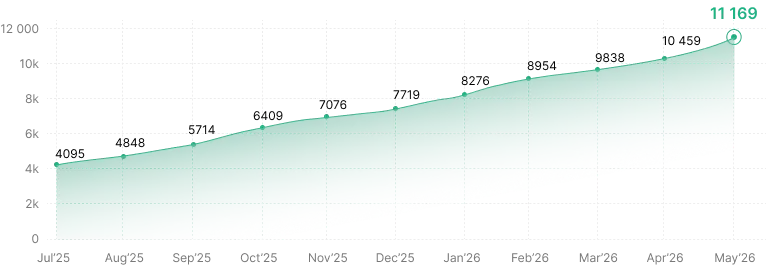
Rated 4.5 / 5 based on 779 reviews. Showing our 4 & 5 star reviews.
From discovery to ownership, here's what happens at each stage
Startups pitch their idea, valuation, and how much equity they're offering in exchange for capital
Read the offering documents, watch videos, and review financials before deciding if it fits your risk tolerance
Decide how much to invest. Most platforms let you start with $100–$500 and adjust up to your limit
If the campaign hits its target, funds move from escrow to the company. If not, you get your money back
After closing, shares are issued and recorded. You'll receive documentation confirming your ownership stake
Shares are usually illiquid until the company exits, gets acquired, or lists on a secondary market
Access to early-stage deals that were once only available to venture capitalists and accredited investors
No fees for deposits, investments or withdrawals.
A growing community built around transparent investing.
Average amount invested by active users each month.
Average interest paid to active investors each month.
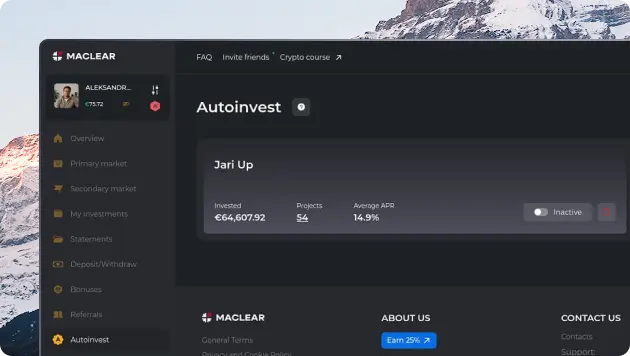
Browse active opportunities across tech, consumer goods, real estate, and more
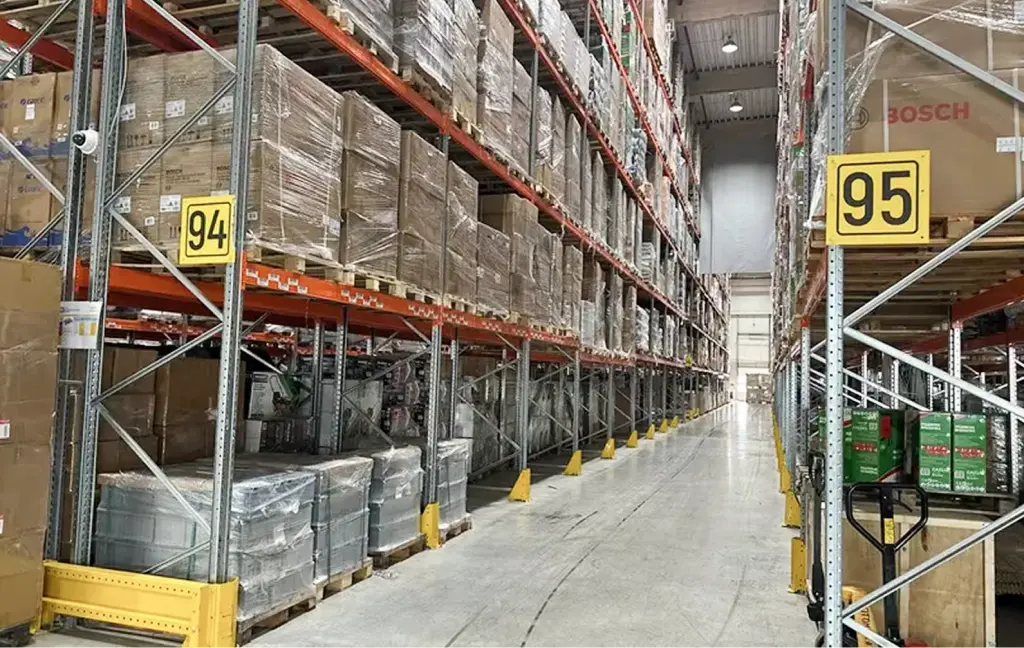
Supplies consumer electronics to major retailers and telecomes like Technomarket and Magnum-D

Processes, freezes and dries fruits and vegetables in a modern, fully equipped organic-focused production facility

Supply, installation and maintenance of agricultural and food equipment

Average annual return17.6%
Earned return€460
Promotions€0
Estimated returns based on target rate of 14.6% APY. Actual returns may vary. Past performance does not guarantee future results.
Equity crowdfunding is high-risk. Here's what matters most when evaluating a deal
Look at revenue, burn rate, and runway before committing
Is the valuation reasonable? Will future rounds dilute you?
Check if founders have relevant experience or past exits
How will the company spend the money it raises?
When and how might you see a return on investment?
Do you get voting rights, updates, or access to future rounds?
Is the market big enough to support growth?
Is the campaign registered with the SEC or local regulator?
Filter by industry, stage, funding goal, or minimum investment to find opportunities that match your portfolio strategy and risk appetite
Browse categories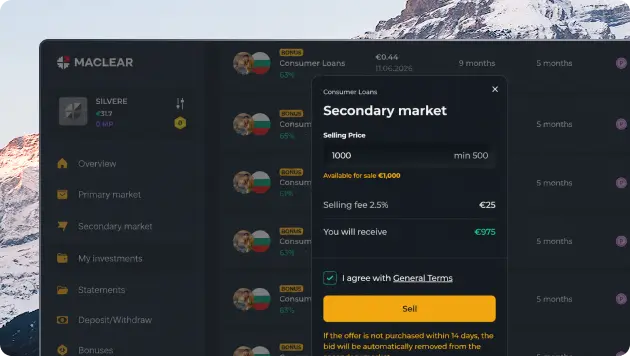
Most equity crowdfunding investments fail or return nothing. A small percentage deliver outsized gains that can offset losses across a diversified portfolio
Expected loss rate: 50–70% of investments
Top 10% of deals generate most returns
Open an account, verify your identity, and start investing in minutes

Sign up and complete verification

Filter by industry or stage

Commit funds and monitor progress
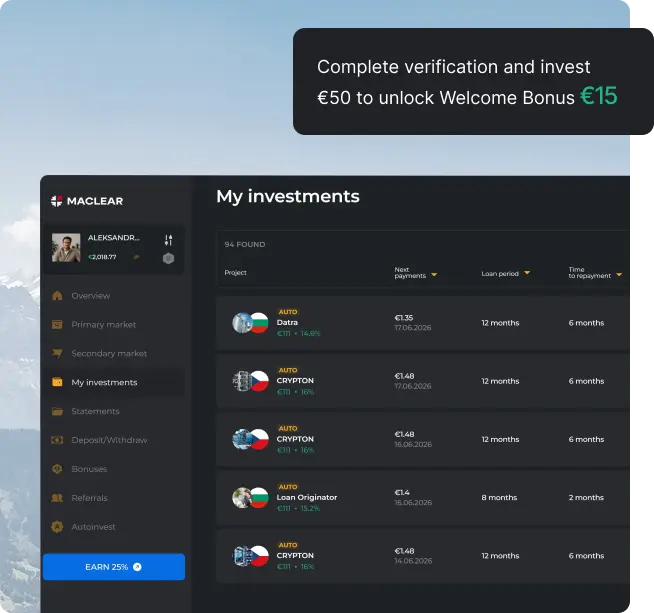

Some platforms offer perks like early access to deals, discounted fees, or bonus equity for repeat investors

Invest before public launch

Lower fees on repeat investments

Direct communication with founders

Extra shares for high-volume investors

Equity crowdfunding enables regular people to purchase ownership stakes in private startups via internet platforms. Companies raise capital directly from the public rather than traditional investors, offering shares that may appreciate if the business grows successfully.


Investment platforms verify claims and follow SEC rules, but you must do your own research. Most startups fail, so only invest money you can afford to lose and carefully review all disclosures.
 Collateral and the
Provision Fund help reduce certain risks, but do not eliminate investment risk.
Collateral and the
Provision Fund help reduce certain risks, but do not eliminate investment risk.

Most equity crowdfunding platforms accept initial investments between $100 and $500, making early-stage company ownership accessible to retail investors. This low entry point allows individuals to diversify across multiple startups without significant capital commitment.
Investors should expect to hold equity for 5–10 years on average before a liquidity event occurs. Companies may exit through acquisition, IPO, or secondary market sales. This extended timeline reflects the nature of early-stage venture investment and realistic business growth cycles.
Between 40–60% of campaigns reach their funding targets and close successfully. However, 50–70% of funded companies fail within five years, highlighting the inherent risk in early-stage investing despite platform vetting and investor due diligence.
Funds held in escrow are returned to investors automatically if the campaign fails to reach its target. No capital transfers to the company, and investors bear no obligation to complete their pledged amount.
Crowdfunded shares remain illiquid until the company exits, gets acquired, goes public, or gains access to secondary market trading. Most platforms do not permit early trading, making this a long-term commitment. Secondary markets are emerging but remain limited.