

121M+Total Funded
Average campaign goal sits between $5,000 and $20,000
Multiple people fund one project by contributing small amounts online


Over 6 million campaigns launched globally since 2010, raising more than $34 billion across all major platforms combined
Average campaign goal sits between $5,000 and $20,000
Success rates range from 22% to 38% depending on platform
Most backers contribute between $25 and $100 per campaign
Equity crowdfunding grew 63% year-over-year through 2023
Tech and creative projects see the highest completion rates

Investors who received at least one interest payment each month.

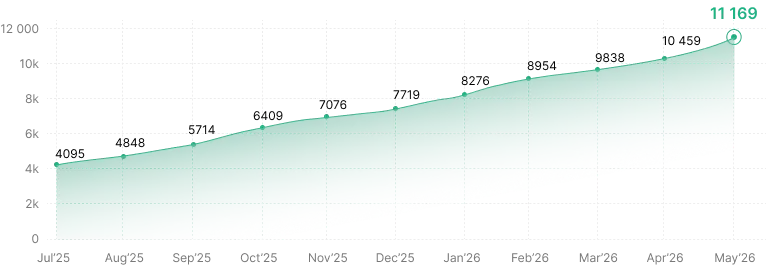
Rated 4.5 / 5 based on 779 reviews. Showing our 4 & 5 star reviews.
From campaign launch to funding delivery, here's what actually happens
They choose an amount needed, set a deadline, and outline what the money covers
Most platforms check legitimacy, feasibility, and compliance before approval
The project appears on the platform where people can read details and pledge money
Supporters choose an amount and payment method, often receiving rewards or equity
Depending on the model, creators either get everything or nothing based on reaching their target
Timeline varies widely, but backers expect updates and eventual fulfillment of what was offered
It offers access to capital without traditional gatekeepers like banks or venture firms
No fees for deposits, investments or withdrawals.
A growing community built around transparent investing.
Average amount invested by active users each month.
Average interest paid to active investors each month.
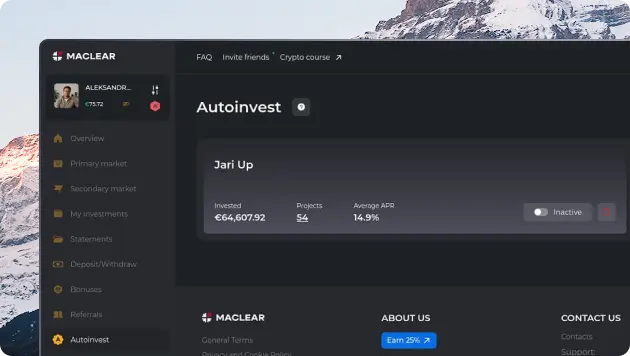
Vetted projects currently raising capital across real estate, startups, and consumer products
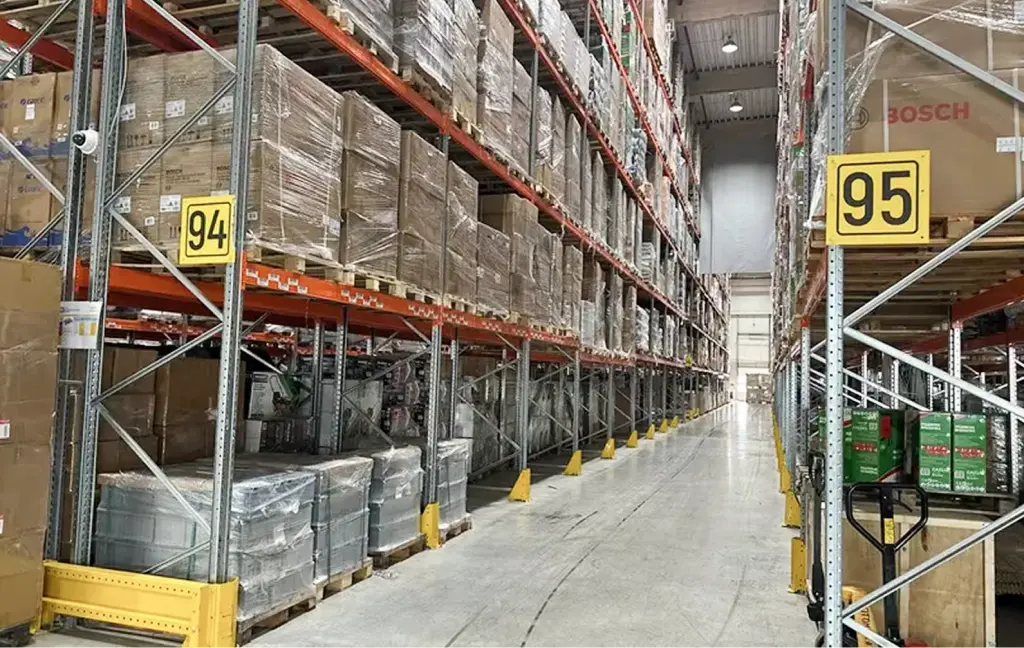
Supplies consumer electronics to major retailers and telecomes like Technomarket and Magnum-D

Processes, freezes and dries fruits and vegetables in a modern, fully equipped organic-focused production facility

Supply, installation and maintenance of agricultural and food equipment

Average annual return17.6%
Earned return€460
Promotions€0
Estimated returns based on target rate of 14.6% APY. Actual returns may vary. Past performance does not guarantee future results.
Your level of influence depends on the crowdfunding model you choose
Most platforms set minimum amounts, typically $10 to $100 depending on the campaign type
You pick based on category, creator history, funding progress, and project details
Early backers often get discounts or exclusive rewards, but also take on more uncertainty
Higher pledges usually unlock better perks or larger ownership stakes in equity models
Some platforms let you cancel before the campaign ends, others lock your commitment immediately
Comment sections and direct messages let you ask questions or request updates
Your social reach can help projects hit their goals faster and gain visibility
Platforms rely on user reports to flag scams, misleading claims, or abandoned projects
Filter by category, funding stage, location, and minimum investment to find projects that match your interests and budget
View marketplace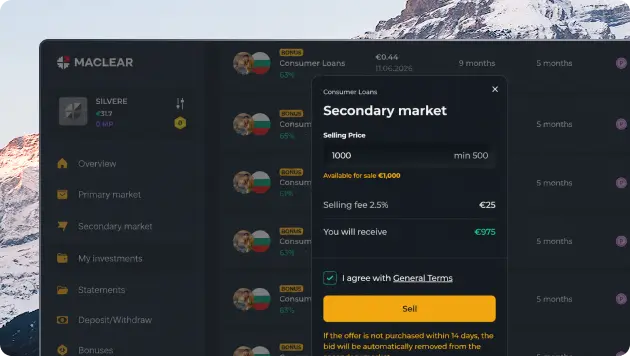
Reward-based platforms charge creators 5% to 9% in fees, while equity platforms typically take 6% to 8% plus payment processing
Kickstarter claims a 39% success rate for launched projects
Indiegogo supports flexible funding in 235 countries
Getting started takes less than 10 minutes on most platforms

Email and payment method required

Use filters or browse featured projects

Review what you get in return

Supporting campaigns often comes with exclusive access, discounts, or recognition from creators who value early adopters

Get it before retail launch

Pay less than future customers

Exclusive versions not sold later

Some creators ask backers for feedback

Crowdfunding lets people with ideas raise money from a large group instead of a single investor or lender. Campaigns run online, usually for a set period, and success depends on reaching a funding goal before time runs out.


Reputable platforms publish campaign outcomes, creator track records, and fee structures. They also share how funds are held, what happens if a project fails, and how disputes get resolved. Not all platforms offer the same level of detail.
 Collateral and the
Provision Fund help reduce certain risks, but do not eliminate investment risk.
Collateral and the
Provision Fund help reduce certain risks, but do not eliminate investment risk.

Crowdfunding allows multiple individuals to fund a single project by contributing small amounts of money online. Over 6 million campaigns have launched globally since 2010, raising more than $34 billion combined across major platforms.
Project owners establish a funding goal, set a deadline, and detail what the money will cover. Average campaign goals range between $5,000 and $20,000, with most backers contributing between $25 and $100 per campaign.
Once vetted for legitimacy and feasibility, campaigns go live publicly where anyone can view details and pledge money. Backers select contribution amounts and payment methods, often receiving rewards or equity in return.
Platforms offer two models: all-or-nothing, where creators receive funds only if the goal is met, or flexible funding, where they can access money regardless. Success rates vary from 22% to 38% depending on the platform and project category.
Equity crowdfunding experienced 63% year-over-year growth through 2023, enabling retail investors to own stakes in emerging companies. Tech and creative projects maintain the highest completion rates, attracting both seasoned investors and first-time participants.