











Understanding the German Investment Landscape
Germany's investment market presents a paradox. The country boasts Europe's largest economy, yet traditional savings vehicles deliver underwhelming returns. German government bonds currently yield near zero, while standard savings accounts offer interest rates between 0.01% and 1.5% annually. Against an inflation backdrop averaging 2.4% in 2024, these conventional options effectively guarantee capital erosion.
Investors seeking high return investment in Germany now confront a stark reality: traditional vehicles no longer preserve wealth, let alone grow it. The European Central Bank's prolonged low-interest-rate environment, maintained for over a decade, has fundamentally altered the risk-return equation. German savers collectively held €2.7 trillion in cash and deposits as of 2023, with the majority earning returns below inflation.
This capital preservation crisis has driven German retail investors toward alternative asset classes. Equity markets, real estate funds, and peer-to-peer lending platforms have all experienced capital inflows as investors search for yield. The P2P lending sector in Germany grew to €3.2 billion in outstanding loans by early 2024, representing a compound annual growth rate of 18% since 2020.

Maclear compared with a bank savings account
| Feature | Maclear (P2P loan claims) | Bank savings / deposit account |
|---|---|---|
| Minimum to start | From €50 on the Primary Market (€30 on the Secondary Market) | Varies by provider; often no set minimum |
| Investor fees | No fees for investors | Varies by provider; account or maintenance fees may apply |
| Income schedule | Monthly interest payments | Interest typically credited periodically at a rate set by the provider |
| Principal | Repaid at the end of the loan term | Principal generally available on demand, subject to the provider's terms |
| Target return | Target/potential up to 16.5% APR, subject to borrower risk and possible capital loss (average rate 14.5% across listed loans) | Varies by provider; generally modest |
| Term | 6 to 36 months | Often flexible or on demand; fixed-term products set by the provider |
| Currency | Euro | Varies by provider |
| Credit/borrower scoring | Internal AAA–D scoring; a signal, not investment advice | Not applicable |
| Collateral | Held via a Collateral Agent, with LTV shown for transparency | Not applicable |
| Provision fund | May absorb temporary delays in interest; not insurance, not a guarantee of principal repayment | Not applicable |
Maclear figures accurate as of 2026. Not investment advice; capital is at risk, including possible total loss.
A P2P allocation is best treated as a portfolio addition (around 10%), not a replacement for lower-risk instruments.
What P2P Lending Actually Delivers
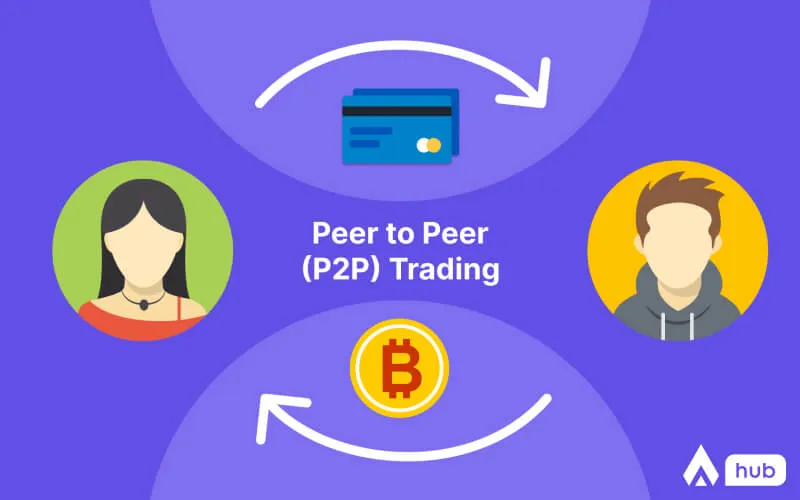
Peer-to-peer lending platforms connect borrowers directly with lenders, eliminating traditional bank intermediaries. This disintermediation allows platforms to offer investors returns ranging from 4% to 12% annually, depending on risk profile and loan category. The mechanism is straightforward: individuals seeking personal loans, business capital, or real estate financing receive funding from multiple investors who each contribute small amounts.
German P2P platforms typically segment loans into risk categories. Conservative portfolios focusing on A-rated borrowers deliver 4-6% annual returns. Middle-tier portfolios combining B and C-rated loans target 7-9% returns. Aggressive portfolios emphasizing higher-risk borrowers and business loans promise 10-12% or higher. These figures represent gross returns before accounting for defaults, platform fees, and taxes.
The actual returns investors realize depend heavily on default rates. German P2P platforms report historical default rates between 1.5% and 4.5% annually across their portfolios. A portfolio yielding 9% gross with a 3% default rate delivers approximately 6% net return before taxes. Platform fees typically consume another 0.5-1%, bringing net returns to 5-5.5%. After Germany's 26.375% capital gains tax, investors retain roughly 3.7-4% annually.
This arithmetic matters. A 4% after-tax return significantly outperforms traditional savings but requires accepting substantially higher risk. German P2P platforms are not covered by deposit insurance schemes that protect bank accounts up to €100,000. Every euro invested faces potential total loss.
Where to Invest Money to Get Good Returns: The P2P Option
Determining where to invest money to get good returns in Germany requires comparing P2P lending against alternative channels. German real estate funds delivered average returns of 3.2% in 2023, with high barriers to entry and limited liquidity. Equity index funds tracking the DAX returned 20% in 2023 but suffered significant volatility, with intra-year drawdowns exceeding 15%.
P2P lending occupies a middle ground. The asset class offers higher returns than fixed income, lower volatility than equities, and monthly income through loan repayments. The diversification potential appeals to investors building balanced portfolios. A €10,000 investment can be spread across 200-400 individual loans, each representing €25-50. This granular diversification limits single-loan default impact.
Several major platforms operate in the German market. Bondora, established in 2009, reports over €700 million in facilitated loans. Mintos exceeded €10 billion in total loan originations by 2024. Auxmoney, Germany's largest domestic platform, has funded over €1.2 billion in consumer loans since its 2007 founding. Viventor and EstateGuru focus on real estate-backed loans, offering 9-11% target returns with property collateral.
Each platform employs different credit assessment methodologies. Auxmoney utilizes a proprietary scoring algorithm incorporating over 300 data points beyond traditional credit scores. Bondora offers automated portfolio management through its Portfolio Manager and Go & Grow products, handling loan selection and reinvestment for investors. Mintos aggregates loans from multiple origination companies across Europe, providing geographical and originator diversification.
The Risk Architecture of P2P Returns
High returns in P2P lending compensate investors for accepting multiple risk layers. Credit risk tops the list: borrowers may default partially or completely. German P2P platforms report that 15-25% of loans experience at least one late payment during their lifetime, though many cure and resume normal payment schedules.
Platform risk represents the second critical factor. P2P platforms are companies that can fail. When a platform ceases operations, investors face uncertainty regarding outstanding loan collections and fund recovery. Several European platforms have collapsed, leaving investors with protracted recovery processes yielding 30-70% of invested capital after years of waiting.
Liquidity risk constrains P2P investments. Unlike stocks or ETFs sold within seconds, P2P loans have fixed terms ranging from six months to five years. Early exit requires secondary markets, which exist on major platforms but may not always have sufficient buyer demand. During the 2020 market stress, secondary market liquidity on some platforms evaporated, trapping investors in positions they wished to exit.
Currency risk affects platforms offering loans in multiple jurisdictions. A German investor funding Polish zloty loans faces exchange rate exposure. Mintos offers loans in over 15 currencies, requiring investors to understand cross-currency dynamics or limit investments to euro-denominated loans.
Originator risk applies to platforms aggregating loans from third-party lenders. If an originator becomes insolvent, their loans may suffer higher defaults even if borrowers remain current. Investors must assess both platform and originator credit quality. Several originators on European platforms have failed, with recovery rates varying between 40% and 90% depending on jurisdiction and collateral.
How the Maclear model works and what backs it
- You buy an assigned claim to a vetted business loan — the borrower signs a Loan Agreement with the platform, and you sign an assignment agreement.
- Interest is paid monthly, and principal is repaid at the end of the loan term, with terms running 6 to 36 months.
- Each borrower carries an internal AAA–D score; treat it as a signal for your own research, not as investment advice.
- Collateral is held through a Collateral Agent, and the loan-to-value ratio is shown for transparency, though any liquidation is not immediate.
- A provision fund may absorb temporary delays in interest, but it is not insurance and does not guarantee that principal is repaid.
- Capital is at risk, including possible total loss, and there is no deposit insurance behind these investments.
Regulatory Framework and Investor Protection
Germany regulates P2P lending under the German Banking Act (KWG). Platforms must obtain authorization from BaFin, the German financial regulator, before facilitating investment-based crowdfunding. Since January 2024, European platforms must comply with the European Crowdfunding Service Providers Regulation, creating standardized disclosure requirements and operational standards across the European Union.
These regulations mandate clear risk warnings, standardized default rate reporting, and minimum capital requirements for platforms. However, regulatory oversight does not guarantee investor protection. P2P investments remain unsecured credit obligations. When borrowers default, investors become unsecured creditors competing with other claimants for recovery proceeds.
Some platforms offer buyback guarantees where loan originators repurchase defaulted loans after 60 days of non-payment. These guarantees provide apparent security, but their value depends entirely on originator solvency. If the originator fails, the guarantee becomes worthless. Investors should view buyback guarantees as credit enhancements, not absolute protections.
Tax treatment of P2P returns in Germany follows standard capital income rules. Interest income and capital gains both face the 25% capital gains tax plus 5.5% solidarity surcharge, totaling 26.375%. Investors receive an annual exemption of €1,000 (€2,000 for married couples) before taxation applies. Losses from defaults can offset gains within the same tax year, providing limited relief for portfolio underperformance.
Building a Diversified P2P Portfolio
Investors seeking high return investment in Germany through P2P lending should construct diversified portfolios across multiple dimensions. Platform diversification reduces single-platform risk. Allocating capital across three to five platforms ensures that one platform failure does not destroy the entire investment.
Loan type diversification balances risk and return. Combining consumer loans, business loans, and real estate-backed loans creates exposure to different economic drivers. Consumer loans correlate with employment levels, business loans with economic growth, and real estate loans with property markets. These correlations differ, providing genuine diversification benefits.
Geographic diversification extends beyond Germany. While domestic focus provides currency simplicity, platforms offering loans across the European Union provide broader economic exposure. A German investor can access Estonian, Polish, Spanish, and Italian borrowers through major platforms, reducing Germany-specific economic risk.
Term diversification staggers maturity dates, providing regular capital return for reinvestment or withdrawal. Combining six-month, 12-month, 36-month, and 60-month loans creates a laddered portfolio where capital becomes available at regular intervals. This approach balances return maximization with liquidity management.
Risk rating diversification involves allocating capital across the credit spectrum. A balanced portfolio might place 30% in A-rated loans yielding 5%, 50% in B-rated loans yielding 8%, and 20% in C-rated loans yielding 11%. This allocation targets approximately 7.6% gross return while limiting exposure to the highest-risk categories.
Comparing P2P Returns to Alternative Investments
A rational investor evaluates P2P lending against all available options. German corporate bonds rated BBB yield approximately 4.2% as of 2024, providing similar returns with greater liquidity and institutional backing. However, single-bond positions concentrate risk, while bond funds charge management fees of 0.3-0.7% annually.
Dividend-focused equity funds targeting German blue-chip stocks delivered 4.8% dividend yields in 2024, plus potential capital appreciation. These funds offer superior liquidity and benefit from deposit protection through segregated fund structures. However, equity volatility substantially exceeds P2P lending volatility, with potential capital losses exceeding 40% during market downturns.
Real estate crowdfunding platforms promise 5-8% returns through property development projects. These investments typically require 12-36 month commitments and expose investors to construction, market, and developer risks. Default rates in German real estate crowdfunding averaged 2.1% historically, lower than unsecured P2P lending but higher than traditional bonds.
High-yield savings accounts from digital banks now offer up to 3.5% annually with full deposit insurance. These accounts provide absolute principal safety for balances under €100,000, making them attractive for risk-averse capital preservation. The return gap between insured deposits and P2P lending has narrowed to 1-2%, reducing the risk-adjusted appeal of P2P investments for conservative investors.

Practical Implementation Strategy
Investors ready to pursue high return investment in Germany through P2P lending should begin with capital they can afford to lose entirely. Financial advisors typically recommend limiting P2P exposure to 5-15% of investment portfolios, treating the allocation as high-risk alternative assets.
Registration on major platforms requires identity verification through video identification or document upload, typically completed within 24-48 hours. Minimum investments range from €10 to €1,000 depending on the platform and product. New investors should start with minimum amounts to understand platform mechanics before committing substantial capital.
Automated investment tools simplify portfolio management. Most platforms offer algorithmic investors that automatically distribute capital across loans matching specified criteria. These tools continuously reinvest repayments, maintaining full capital deployment and compounding returns. Manual investment provides greater control but requires ongoing time commitment.
Performance monitoring should occur monthly, tracking both gross returns and net returns after defaults. Investors should calculate their actual annualized return by dividing total interest received minus total defaults by average capital deployed. Many investors overestimate returns by ignoring defaults or miscalculating time-weighted returns.
Exit planning matters as much as entry strategy. Investors should establish predetermined exit criteria: target return achievement, unacceptable default rate thresholds, or portfolio rebalancing needs. Secondary market sales provide early exit on platforms with sufficient liquidity, though selling loans at discounts to face value may be necessary during stressed periods.
The Future of P2P Returns in Germany
The German P2P lending market faces structural changes that will influence future returns. Increased competition among platforms compresses margins, potentially reducing investor returns. Conversely, improved credit scoring through artificial intelligence may lower default rates, improving net returns.
Rising interest rates throughout 2023-2024 increased the opportunity cost of P2P lending. As government bonds and savings accounts offer higher yields, P2P platforms must raise returns to attract capital, potentially by accepting lower-quality borrowers. This dynamic could increase default rates, offsetting nominal return increases.
Regulatory tightening under European crowdfunding regulations imposes higher compliance costs on platforms. These costs may be passed to investors through higher fees or to borrowers through higher interest rates. Higher borrower rates could increase defaults, creating a delicate balance between pricing and credit quality.
Institutional investor entry into P2P lending markets brings capital but changes market dynamics. Large investors negotiate preferential terms, potentially leaving retail investors with less attractive loan access. However, institutional participation also validates the asset class and may improve platform operational standards.
Making the P2P Decision
High return investment in Germany through P2P lending offers genuine return enhancement over traditional vehicles, but requires accepting substantially higher risk. The 4-6% after-tax returns achievable by diversified, conservative P2P portfolios double typical savings account yields while remaining below equity return potential.
The optimal investor for P2P lending possesses moderate risk tolerance, time for ongoing portfolio management, and capital that can be locked up for multi-year periods. Risk-averse investors prioritizing capital preservation should limit P2P exposure or avoid the asset class entirely. Aggressive investors seeking maximum returns may find equity markets more appropriate despite higher volatility.
Success in P2P lending demands discipline: diversification across platforms and loans, realistic return expectations accounting for defaults and fees, and emotional resilience during periods of elevated defaults. Investors chasing advertised peak returns without accounting for risk typically underperform conservative, well-diversified approaches.
The question of where to invest money to get good returns in Germany has no universal answer. P2P lending represents one option within a spectrum ranging from insured deposits to venture capital. The appropriate choice depends on individual circumstances: risk capacity, return requirements, time horizon, and alternative opportunities. For investors willing to accept credit and platform risk in exchange for returns exceeding traditional fixed income, P2P lending delivers a viable, though imperfect, solution to Germany's low-yield environment.