











P2P investing in Belgium: how to get started and manage the risks
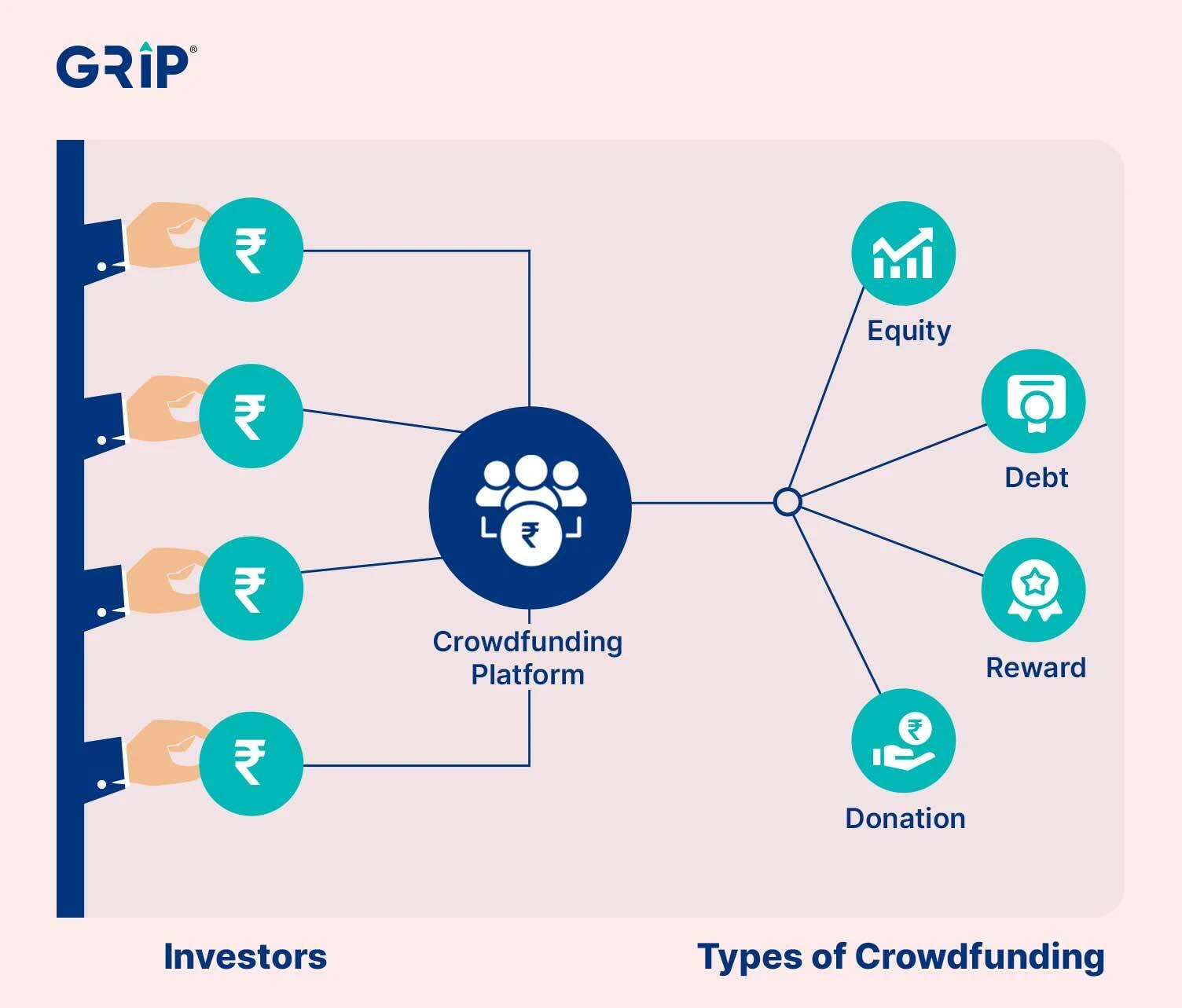
P2P lending and business crowdlending allow investors to provide capital to borrowers through an online platform and receive interest according to the loan terms.
For Belgian investors, these platforms can provide access to euro-denominated business loans outside traditional savings accounts, bonds, shares, and direct real estate. The potential return may be higher than on liquid savings products, but investors accept borrower default risk, payment delays, limited liquidity, and dependence on the platform’s operational processes.
P2P investments are not bank deposits. Capital and interest are not guaranteed, and investors should be prepared to hold positions until the borrower completes repayment.

How Maclear compares with a bank savings account
| Feature | Maclear (P2P loan claims) | Bank savings / deposit |
|---|---|---|
| Minimum to start | €50 on the Primary Market (€30 on the Secondary Market) | Varies by provider |
| Investor fees | No fees for investors | Varies by provider |
| Income schedule | Monthly interest payments | Interest schedule set by the provider |
| Principal | Repaid at the end of the loan term | Principal generally preserved within applicable protection limits |
| Target return | Target/potential up to 16.5% APR, subject to borrower risk and possible capital loss (average rate across listed loans 14.5%) | Typically lower, set by the provider |
| Term | 6 to 36 months | From instant access to fixed terms, set by the provider |
| Currency | Euro | Varies by provider |
| Credit/borrower scoring | Internal AAA–D scoring, a signal and not investment advice | Not applicable to the saver |
| Collateral | Some loans secured, with a Collateral Agent holding legal control (liquidation is not immediate) | Not applicable |
| Provision fund | A provision fund may absorb temporary delays in interest; it is not insurance and does not guarantee principal | Not applicable |
Maclear figures accurate as of 2026. Not investment advice; capital is at risk, including possible total loss.
A P2P allocation is a portfolio addition (around 10%), not a replacement for low-risk instruments.
How P2P lending works
A P2P platform acts as an intermediary between investors and borrowers.
The typical process includes:
— reviewing and selecting borrowers;
— publishing approved loan projects;
— providing financial and project information;
— processing investor commitments;
— transferring funded capital to borrowers;
— collecting scheduled repayments;
— distributing principal and interest;
— responding to payment delays or defaults.
Investors do not normally become shareholders in the borrowing business. Their potential return is limited to the interest and principal specified in the loan documents.
If the borrower grows significantly, the investor does not participate in the increase in company value. If the borrower experiences financial difficulty, however, the investor may face delayed payments or a loss of capital.
How it works and what protects the investor
- You buy an assigned claim to a vetted business loan: the borrower signs the loan agreement with the platform, and you hold the claim to its principal and interest.
- Interest is paid monthly, while the principal is returned at the end of the loan term.
- The AAA–D risk score is an internal signal to help compare projects, not investment advice or a promise of repayment.
- When a loan is secured, the collateral is held through a Collateral Agent with legal control, and the Loan-to-Value ratio is shown for transparency; enforcement takes time and liquidation is not immediate.
- The provision fund may absorb temporary delays in interest payments, but it is not insurance and does not guarantee that principal is repaid.
- Capital is at risk, including possible total loss, so spread money across independent projects and treat this as one part of a broader portfolio.
Can Belgian residents invest through Maclear?
Belgium is included among the countries supported for investor verification on Maclear. Belgian residents can register as private investors, complete the required identity and address verification, deposit euros through a compatible bank account, and access available projects.
Before investing, users must complete the platform’s verification process. This normally requires:
— a valid passport, national identity card, or residence permit;
— a live identity check;
— proof of residential address;
— a bank account held in the investor’s own name.
The personal information submitted during registration should match the identity and banking documents. Deposits from third parties or accounts held under another name may require additional review or may not be accepted.
Depositing euros from Belgium
Maclear accepts euro transfers through SEPA. A Belgian investor does not need a Swiss bank account.
Each investor receives a personal deposit reference number in the Deposit section of the account. This reference should be included in the payment details so the incoming transfer can be matched automatically.
Standard SEPA transfers may require several business days to reach and appear in the investment account. A transfer sent without the correct reference may need to be processed manually.
Before sending money, investors should verify:
— the recipient details displayed in their account;
— the personal deposit reference;
— that the sending account is in their own name;
— the transfer currency;
— any fees charged by their bank.
Available funds can be invested or withdrawn. Funds already committed to a project are subject to the relevant investment status and cannot be treated as immediately accessible cash.
How investing on Maclear works
Approved business projects appear on the Primary Market. Each project page provides information intended to help investors assess the opportunity.
This may include:
— the borrower profile;
— the purpose of the loan;
— the amount being raised;
— the annual interest rate;
— the loan term;
— the repayment structure;
— the Maclear Risk Score;
— collateral or guarantees;
— the Loan-to-Value ratio where applicable;
— financial and project documentation.
The minimum investment on the Primary Market is €50.
After an investment is confirmed, the funds move through several stages.
Reserved
The investor has committed money to the project, but the fundraising process is not yet complete. Reserved funds do not earn interest and cannot be withdrawn while the commitment remains active.
Prefunded
The funding period has closed and the required loan documentation and transfer procedures are being completed.
Funded
The loan has been transferred to the borrower and the investment becomes active. Interest begins to accrue according to the project terms.
Repaid
The borrower has completed the required repayments. Returned funds become available in the investor’s account.
Not Funded
The project did not complete its fundraising requirements. Reserved investor funds are released automatically back to the Available balance.
Investors should account for the period between committing money and the project reaching Funded status. The advertised annual interest rate does not apply while capital remains Reserved.
Assessing a business project
The headline interest rate should not be the only reason to invest. Higher rates generally compensate investors for greater uncertainty.
A project review should begin with the borrower’s ability to repay.
Business model
Investors should understand how the company generates revenue, who its customers are, and whether demand appears sustainable.
A complicated business model is not automatically weak, but an investor should avoid financing a company whose repayment capacity cannot be explained clearly.
Loan purpose
The use of funds should be specific and connected to the borrower’s operations.
Common purposes may include:
— equipment purchases;
— inventory;
— working capital;
— expansion into a new market;
— completion of an existing project;
— refinancing of defined obligations.
The investor should consider whether the financed activity is expected to support the company’s ability to repay.
Financial condition
Relevant factors may include:
— revenue stability;
— profitability;
— operating cash flow;
— existing debt;
— working capital;
— customer concentration;
— previous repayment history;
— capacity to absorb unexpected costs.
Strong revenue growth does not necessarily mean strong repayment capacity. A company may grow rapidly while consuming cash or becoming more dependent on external financing.
Loan term and repayment schedule
Longer loans keep capital committed for more time and increase exposure to changes in the borrower’s business environment.
Investors should check whether repayments consist of monthly interest, combined principal and interest, or principal returned near the end of the term. The schedule affects both income timing and risk.
Understanding the Maclear Risk Score
Maclear assigns each listed project a Risk Score from AAA to D. The score reflects the platform’s assessment of financial, qualitative, coverage, and liquidity factors.
It provides a standardised way to compare projects, but it should not replace the investor’s own review.
A higher score does not guarantee repayment. A lower score does not automatically represent an attractive opportunity because of a higher interest rate.
The Risk Score should be considered together with:
— the borrower’s financial position;
— loan purpose;
— term;
— repayment structure;
— collateral;
— LTV;
— sector exposure;
— the investor’s existing portfolio.
The relevant question is whether the offered return adequately compensates for the total risk.
Collateral and Loan-to-Value
Some business loans are supported by pledged assets or guarantees.
Loan-to-Value compares the loan amount with the assessed value of the collateral. A lower LTV creates a larger stated difference between the loan balance and the collateral value.
For example, if the collateral is valued substantially above the outstanding loan, it may provide a greater recovery buffer than collateral whose value is close to the loan amount.
However, LTV does not guarantee recovery.
Potential limitations include:
— the collateral valuation may be inaccurate;
— asset prices may decline;
— enforcement may take time;
— legal and administrative costs may reduce proceeds;
— specialised assets may be difficult to sell;
— the final sale price may be below the original valuation.
The borrower’s normal operating cash flow should remain the primary repayment source. Collateral is a secondary protection mechanism.
Main risks for Belgian P2P investors
Borrower default
The borrower may fail to repay some or all of the principal and interest. Recovery may depend on negotiations, legal action, guarantees, and the sale of collateral.
Payment delays
A borrower may remain solvent but pay later than scheduled. Delays reduce liquidity and may affect the investor’s expected cash flow.
Liquidity risk
P2P loans normally have fixed terms. An investor may need to wait until repayment before accessing the capital.
Money required for emergencies, taxes, planned purchases, or near-term living costs should not be committed to illiquid loans.
Collateral risk
Collateral can reduce loss severity but may not cover the full outstanding amount after valuation changes, enforcement costs, and sale delays.
Platform and operational risk
Investors depend on the platform’s ability to manage documentation, payment processing, borrower monitoring, reporting, collections, and recovery procedures.
Concentration risk
A portfolio can appear diversified while remaining dependent on one borrower, industry, country, or type of collateral.
Tax risk
Incorrect assumptions about local tax treatment may reduce the investor’s net return or create reporting problems.
The Maclear Provision Fund
Maclear maintains a Provision Fund intended to support scheduled interest payments in certain borrower-delay situations.
The fund is partly financed through a portion of commissions paid by successfully funded borrowers.
It should be understood as a risk-mitigation mechanism, not as deposit insurance or a legal guarantee of full repayment. The available resources may not cover every loss, principal shortfall, or several large defaults occurring at the same time.
Investors should continue to assess each borrower and diversify their portfolios rather than relying on the fund as the primary basis for investing.
Using the Secondary Market
Maclear’s Secondary Market allows investors to offer eligible existing positions for sale before the borrower completes the original loan term.
The minimum Secondary Market transaction is €30. Sellers may apply a discount to make a position more attractive to potential buyers.
A completed sale is subject to the applicable seller fee. The buyer acquires the remaining rights to principal and interest under the original repayment schedule.
The Secondary Market can provide an exit route, but it does not guarantee liquidity.
A listing may remain unsold because:
— there is insufficient buyer demand;
— the remaining term is unattractive;
— the project’s risk profile has changed;
— other investments offer better terms;
— the offered discount is too small.
During periods of market stress, more investors may want to sell while fewer buyers are willing to purchase. Investors should therefore select projects on the assumption that they may need to hold them until final repayment.
Building a diversified P2P portfolio
Diversification reduces the effect of one unsuccessful project, but it should extend beyond holding several loans.
Belgian investors can spread exposure across:
— borrowers;
— industries;
— countries;
— loan terms;
— repayment structures;
— Risk Score categories;
— collateral types;
— project purposes.
The amount committed to each borrower also matters. One large investment can dominate the result even when the remainder of the portfolio contains many smaller projects.
Maclear’s €50 Primary Market minimum allows investors to divide capital among multiple projects. Investors do not need to allocate the same amount to every opportunity, but position sizes should follow predetermined concentration limits.
Diversification cannot guarantee a profit. Several borrowers may experience difficulties simultaneously during an economic slowdown or sector-specific crisis.
Manual investing and AutoInvest
Manual selection allows an investor to review each project before committing funds.
AutoInvest can allocate available money automatically to projects that match predefined criteria. Depending on the available settings, investors may specify factors such as interest rate, term, risk category, country, project type, and investment amount.
Automation can reduce idle cash and the time required to review new listings. It can also create unintended concentration when the settings are too broad or when the available projects come from similar sectors.
Investors should review AutoInvest strategies periodically and confirm that:
— the criteria still match their objectives;
— individual positions remain within acceptable limits;
— sector and geographic concentration have not increased;
— available cash is not being deployed faster than intended.
Automation executes the selected rules. It does not assess whether those rules remain suitable for the investor.
Tax responsibilities in Belgium
Tax treatment depends on the investor’s residence, personal circumstances, income type, and current Belgian legislation.
Maclear does not withhold or deduct local taxes from investor income. Interest and other eligible payments are credited to the investor’s account, while the investor remains responsible for declaring and paying any applicable taxes.
The platform provides a downloadable tax statement containing information such as:
— interest income;
— Secondary Market profit or loss;
— Secondary Market seller fees;
— bonuses and referral rewards;
— active investment amounts;
— account balance for the selected period.
The statement can support tax reporting, but it does not determine the amount of tax owed.
Belgian investors should not rely on a general article for a fixed tax rate or assume that every payment receives identical treatment. Local tax rules can change and may depend on the legal structure of the investment. A qualified Belgian tax adviser should be consulted where necessary.
Comparing P2P with other investments
P2P lending should be assessed as one part of a broader portfolio.
Savings accounts and deposits
These instruments generally provide greater liquidity and may benefit from protections that do not apply to P2P loans. Their return may be lower, but they are more suitable for emergency reserves and short-term expenses.
Bonds
Government and corporate bonds can provide interest income and may be easier to sell. Their prices still change with interest rates, credit conditions, and market demand.
Equity funds and ETFs
Shares offer potential capital appreciation and high liquidity, but their market value can fluctuate substantially. P2P returns come from contractual loan payments rather than ownership growth.
Direct real estate
Property can produce rent and potential appreciation but requires substantial capital and creates concentration, maintenance, financing, and transaction risks.
P2P business loans provide a different risk and return structure. They should not be treated as a direct replacement for cash, bonds, shares, or real estate.

Practical steps for Belgian investors
Before investing, a Belgian resident should:
— maintain an emergency reserve outside P2P platforms;
— avoid investing money needed in the near term;
— complete verification using accurate documents;
— deposit only from a personal bank account;
— review each borrower and loan purpose;
— examine the Risk Score, collateral, LTV, and repayment schedule;
— diversify across independent projects;
— define maximum exposure per borrower and sector;
— account for Reserved periods and idle cash;
— enable two-factor authentication;
— monitor repayments and project updates;
— retain account and tax statements;
— verify Belgian tax obligations separately;
— invest only an amount that can be lost without affecting essential financial plans.
P2P crowdlending gives Belgian investors access to euro-denominated business financing and scheduled interest opportunities. The potential return comes with borrower, collateral, liquidity, concentration, and platform risks.
A disciplined approach focuses on repayment capacity rather than the highest headline rate, spreads capital across independent projects, and keeps sufficient liquid savings outside the investment portfolio.
Risk disclosure: Crowdlending involves risk, including the possible loss of capital. Interest and principal repayments are not guaranteed, and past performance does not predict future results. Invest only funds you can afford to lose.