











How P2P lending platforms work: from borrower review to investor repayment
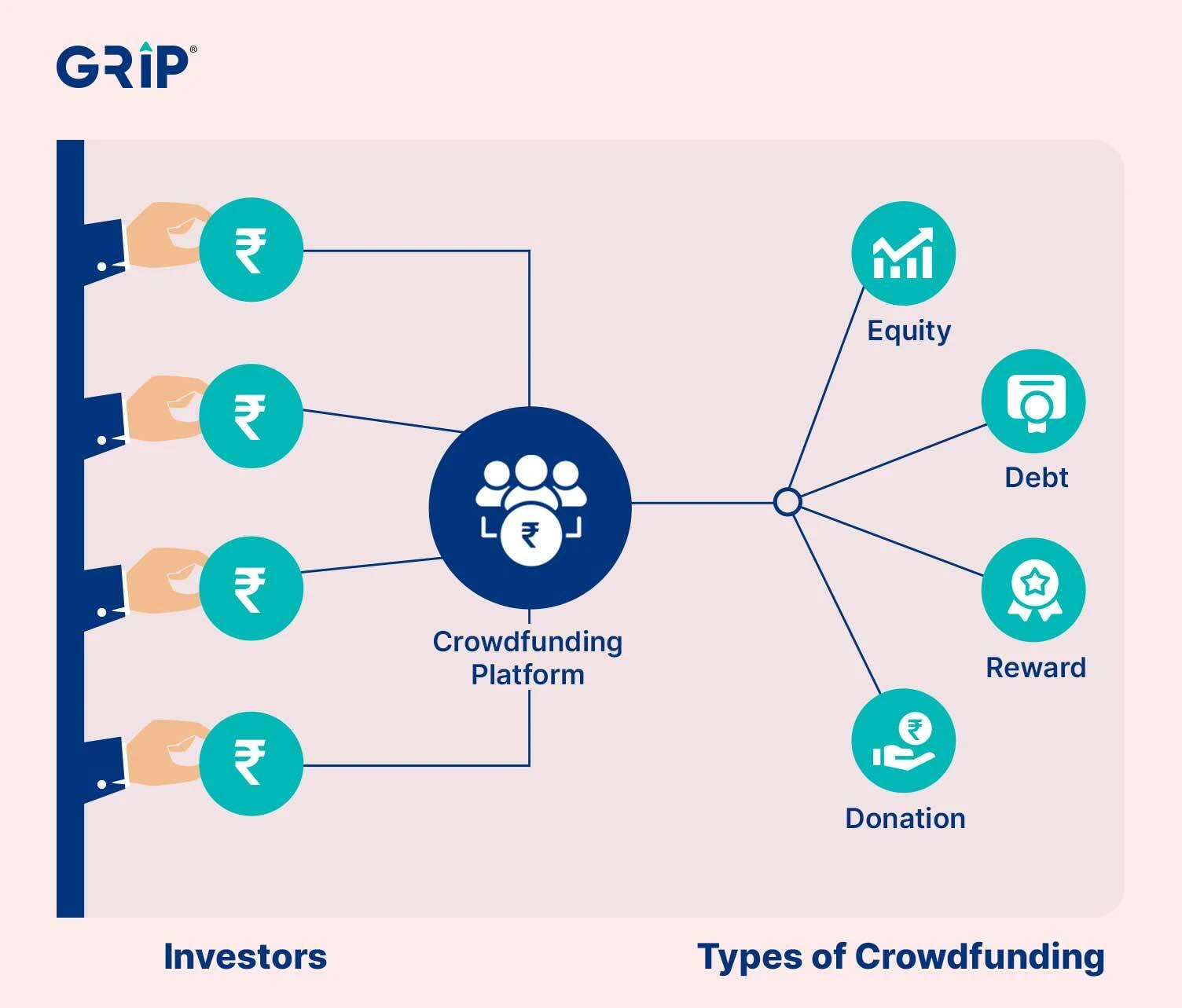
P2P lending and crowdlending platforms connect investors seeking interest income with businesses or individuals seeking financing. The platform does not normally use customer deposits in the same way as a traditional bank. Instead, it provides the infrastructure required to review borrowers, publish projects, process investments, administer loan documents, collect repayments, and manage delays or defaults.
The basic process can be divided into three stages: origination, funding, and servicing. Understanding each stage helps investors see where returns come from and which risks remain after a project appears on the platform.
How Maclear compares with a bank savings account
| Feature | Maclear (P2P loan claims) | Bank savings / deposit |
|---|---|---|
| Minimum to start | From €50 on the Primary Market (€30 on the Secondary Market) | Varies by provider; often little or none |
| Investor fees | No fees for investors | Varies by provider; account or service fees may apply |
| Income schedule | Monthly interest payments | Varies by provider; interest typically credited periodically |
| Principal | Repaid at the end of the loan term | Principal generally preserved within protection limits |
| Target return | Target/potential returns up to 16.5% APR, subject to borrower risk and possible capital loss; average rate across listed loans is 14.5% | Set by the provider; typically lower and variable |
| Term | 6 to 36 months | Varies by provider, from instant access to fixed terms |
| Currency | Euro | Varies by provider |
| Credit/borrower scoring | Internal AAA–D scoring; a signal, not investment advice | Not applicable to the saver |
| Collateral | Some loans backed by collateral held via a Collateral Agent, with LTV shown for transparency; liquidation is not immediate | Not applicable |
| Provision fund | A Provision Fund may absorb temporary delays in interest; not insurance and not a guarantee of principal repayment | Not applicable |
Maclear figures accurate as of 2026. Not investment advice; capital is at risk, including possible total loss.
A P2P allocation is best viewed as a portfolio addition (around 10%), not a replacement for lower-risk instruments.

Stage 1: borrower origination and assessment
Origination begins when a potential borrower applies for financing. The platform collects corporate, financial, ownership, and project information to decide whether the application is suitable for further review.
For a business loan, this may include:
— company registration and ownership documents;
— information about beneficial owners and management;
— financial statements and current liabilities;
— business plans and cash-flow forecasts;
— the purpose and requested amount of the loan;
— the proposed repayment structure;
— collateral and guarantees;
— credit history and existing payment obligations.
A platform should not list a project simply because a borrower is willing to pay a high interest rate. It must assess whether the company can realistically service the debt from normal operations.
On Maclear, borrower assessment follows a multi-stage due diligence process. Documentation and legal standing are reviewed first. The borrower and relevant individuals then undergo background and compliance checks. The financial team analyses the company’s balance sheet, profitability, leverage, working capital, business plan, repayment schedule, collateral, and guarantees.
Projects that do not meet the platform’s required threshold are rejected before listing.
Risk scoring and project pricing
After analysing the borrower, a lending platform assigns a risk category or internal rating. The rating helps investors compare projects, but it is not a guarantee of repayment.
Maclear uses a Risk Score ranging from AAA to D. The assessment considers financial risk, qualitative factors, and the borrower’s coverage and liquidity position. The project’s risk profile contributes to the interest rate offered to investors.
Higher interest rates usually indicate that investors are accepting more uncertainty. A project with weak cash flow, high leverage, limited operating history, or difficult-to-enforce collateral may need to offer a higher rate than a financially stronger borrower.
The rate should therefore be reviewed together with:
— the borrower’s ability to generate cash;
— the loan purpose;
— the term and repayment structure;
— collateral quality;
— Loan-to-Value ratio;
— sector and geographic exposure;
— the project’s effect on portfolio concentration.
The highest rate is not automatically the best investment. It may simply reflect a greater probability of delay or loss.
Stage 2: project publication and funding
Once approved, the project is published on the Primary Market. Investors can review the available information and decide whether the expected return is appropriate for the risk.
On Maclear, the minimum Primary Market investment is €50. An investor may invest in the same open project more than once, provided each transaction meets the minimum and funding capacity remains available.
After the investor confirms the transaction, the money does not immediately begin earning interest. The funds move into Reserved status and are committed to the project while fundraising continues.
The process follows several statuses:
— Open — the project is accepting investments;
— Reserved — the investor’s funds are committed but the project has not yet completed funding;
— Prefunded — fundraising has closed and the required agreements and transfer process are being completed;
— Funded — the loan has been transferred to the borrower and the investor’s position becomes active;
— Repaid — the borrower has returned the required principal and interest;
— Not Funded — the project did not reach the required target and reserved funds are released.
If a project is not funded, the investor’s reserved money returns to the Available balance automatically. Reserved funds do not earn interest.
What happens to the investor’s money
A lending platform must keep clear records of which funds belong to investors, which amounts are committed to projects, and which payments have been received from borrowers.
On Maclear, investor funds are held separately from the company’s operating money. When a project is funded, investors acquire claims connected to the underlying borrower through the relevant claim assignment documentation. Maclear administers those claims as an agent rather than becoming the economic owner of the investment.
After the loan is disbursed, investors receive access to the Claim Assignment Agreement and Repayment Schedule. These documents define the legal claim and the expected payment dates.
Uninvested money in the Available balance can generally be invested or withdrawn. Money in Reserved or active investment status is subject to the relevant project terms and cannot be treated as immediately available cash.
P2P investments are not bank deposits and are not covered by a government deposit guarantee scheme. Separation of funds and loan documentation can reduce certain platform-related risks, but they do not remove borrower default risk.
How it works and what protects the investor
- When a project is funded you acquire an assigned claim to a vetted business loan, rather than lending to the borrower directly.
- Interest is paid monthly while the loan runs, and the principal is returned at the end of the term.
- The AAA–D score is a signal that helps compare projects; it is not investment advice and not a promise of repayment.
- Where a loan is secured, collateral is held through a Collateral Agent and the loan-to-value ratio is shown for transparency; enforcement takes time and is not immediate.
- The Provision Fund may absorb temporary delays in scheduled interest, but it is not insurance and does not guarantee that principal will be repaid.
- Capital is at risk, including the possibility of total loss, so treat any single project as one exposure among many.
Stage 3: servicing and repayment distribution
Servicing begins after the borrower receives the loan. The platform tracks the repayment schedule, collects payments, allocates them among investors, updates project records, and responds when a payment is late.
The payment structure depends on the loan. Some projects may distribute interest monthly and return principal at the end. Others may use schedules that return both principal and interest over the loan term.
On Maclear, interest starts accruing only when the project reaches Funded status and the loan has been transferred to the borrower. Payments are made according to the published Repayment Schedule and credited to the investor’s balance.
Investors can withdraw available funds or use them for new projects. Reinvesting repayments may increase the amount of capital actively earning interest, but only when suitable projects are available. Money waiting in the account does not earn the project rate.
How lending platforms make money
Platform revenue models differ. Some platforms charge investors servicing or performance fees. Others charge borrowers for access to funding and related services.
Maclear does not charge investors a fee for investing on the Primary Market. Its main revenue comes from the borrower side.
The platform’s revenue sources include:
— a commission paid by borrowers when a project is successfully funded;
— borrower audit and evaluation services;
— a seller fee on completed Secondary Market sales.
The borrower commission ranges from 3% to 6% depending on the project. Two percentage points from each successfully funded project commission are allocated to the Provision Fund. The remaining amount supports platform operations and revenue.
On the Secondary Market, the buyer pays no transaction fee. A 2.5% fee is deducted from the seller’s proceeds only if the sale is completed.
Investors should always distinguish between the borrower’s total financing cost, the project interest rate, platform fees, and the investor’s final net return.
Diversification and default risk
A single business loan can produce a concentrated outcome. If the borrower repays, the investor receives the scheduled payments. If the borrower defaults and recovery is incomplete, part or all of the capital may be lost.
Diversification reduces the effect of one unsuccessful project by spreading capital across several independent exposures. It should include more than the number of investments.
A diversified P2P portfolio may spread exposure across:
— different borrowers;
— countries;
— industries;
— loan terms;
— repayment structures;
— risk grades;
— collateral types.
Ten projects in the same sector and country may still react to the same economic shock. Investors should review the underlying sources of risk rather than relying only on the number of positions.
Maclear’s €50 Primary Market minimum makes it possible to divide a larger amount among several projects. However, diversification does not guarantee a positive return and cannot prevent losses when several borrowers are affected by the same conditions.

Collateral, LTV, and recovery
Some business loans are supported by pledged assets or guarantees. Collateral may improve the potential recovery outcome if the borrower fails to repay, but it should not be treated as equivalent to cash.
Loan-to-Value compares the loan amount with the assessed value of the collateral. A lower LTV means the stated collateral value exceeds the loan by a wider margin.
The ratio has limitations:
— asset values may decline;
— the valuation may differ from the eventual sale price;
— enforcement can take time;
— legal and administrative costs may reduce recovery;
— some assets may be difficult to sell.
The borrower’s operating cash flow should normally remain the primary source of repayment. Collateral is a secondary risk-mitigation mechanism.
When a borrower misses payments, the platform may begin communication, collection, restructuring, or legal enforcement depending on the circumstances and the loan documents. Recovered funds are distributed to investors according to their proportional claims.
The role of the Provision Fund
Maclear maintains a Provision Fund intended to support scheduled interest payments in certain borrower-delay scenarios. It is financed partly through the portion of borrower commissions allocated from successfully funded projects.
The fund is not deposit insurance and does not create a legal guarantee of full repayment. Its available resources may not be sufficient to cover every loss or several simultaneous defaults.
Investors should not use the Provision Fund as a substitute for reviewing the borrower, collateral, LTV, and portfolio concentration.
Secondary Market and liquidity
P2P loans are generally less liquid than listed shares. The investor should be prepared to hold a position until the borrower completes repayment.
Maclear’s Secondary Market allows eligible existing investments to be listed for sale before the original loan ends. The minimum transaction amount is €30. A seller may list the position at face value or apply a discount of up to 50%.
The buyer receives the remaining claim, including future principal and interest payments under the original schedule. The seller receives the agreed price minus the 2.5% completed-sale fee.
Listings expire after 14 days if no buyer purchases them. Maclear does not guarantee a sale, and the investor may need to accept a discount to improve the chance of finding a buyer.
The Secondary Market provides an exit option, not assured liquidity. During periods of uncertainty, demand may weaken precisely when more investors want to sell.
AutoInvest and automated allocation
AutoInvest can allocate available funds to projects that match criteria selected by the investor. On Maclear, settings can include the investment amount, minimum interest rate, loan term, risk level, countries, and project types.
Automation can reduce idle cash and manual work, but it does not remove investment risk. Broad settings may allocate funds to projects outside the investor’s actual preferences, while very narrow settings may leave money uninvested.
Investors should periodically review active strategies, portfolio concentration, and whether the selected criteria still match their financial objectives.
Advertised interest versus actual return
The project’s annual interest rate is not the same as the investor’s final portfolio return.
Actual results may be affected by:
— periods when funds remain Reserved;
— money sitting uninvested in the Available balance;
— payment delays;
— defaults and incomplete recoveries;
— Secondary Market discounts and seller fees;
— taxes;
— the timing of reinvestment.
For example, an investor may select projects offering attractive rates but earn less at portfolio level when money spends long periods waiting for deployment or when one borrower fails to repay.
Performance should therefore be measured across the entire account and over a meaningful period, not by quoting the highest rate shown on one project.
Platform risk and due diligence
Investors depend not only on borrowers but also on the platform’s systems and operating processes.
Before investing, relevant questions include:
— How are borrowers selected and monitored?
— What documentation is provided?
— How are investor funds separated from operating money?
— Who administers repayments and collateral?
— What happens after a missed payment?
— What happens if the platform stops operating?
— Which fees apply?
— Is there a Secondary Market, and is a sale guaranteed?
— How are tax and transaction records provided?
Clear documentation and transparent procedures make risk easier to assess. They do not make the investment risk-free.
Practical steps before investing
An investor considering a project should:
— keep emergency money outside P2P investments;
— invest only capital that can remain committed for the loan term;
— review the borrower rather than relying only on the interest rate;
— check the Risk Score, collateral, LTV, and repayment schedule;
— spread funds across independent projects;
— understand when interest begins;
— account for taxes, idle cash, fees, and possible losses;
— avoid assuming that a Secondary Market guarantees an exit;
— monitor repayments and portfolio concentration.
P2P lending platforms make business financing accessible through a structured digital process. The platform reviews borrowers, publishes projects, processes investments, administers claims, and distributes repayments. Investors receive access to fixed-interest opportunities but accept borrower, collateral, liquidity, and platform risks.
Risk disclosure: Crowdlending involves risk, including the possible loss of capital. Returns are not guaranteed, and past performance does not predict future results. Invest only funds you can afford to lose.