Why £100 Is Enough to Start Your Investment Journey
The notion that serious investing requires thousands of pounds sits firmly in the past. Data from the Financial Conduct Authority shows that 41% of UK adults held no investments outside a pension as of 2022, with many citing lack of capital as the primary barrier. This represents a fundamental misunderstanding of modern investment infrastructure.
Technology has dismantled traditional entry barriers. Most major UK platforms now accept initial deposits between £25 and £100, with regular contributions starting at £10 monthly. Freetrade, Trading 212, and InvestEngine operate on fractional share models, allowing investors to purchase portions of expensive stocks. A single Amazon share might cost £2,500, but fractional ownership means you can allocate £10 toward it if you choose.
The mathematics support early entry regardless of amount. Historical data from Vanguard demonstrates that someone investing £100 monthly from age 25 typically accumulates more wealth by retirement than someone investing £500 monthly starting at age 45. The compound effect of time eclipses the raw capital advantage.
Starting with smaller sums also builds psychological resilience. New investors who immediately commit £10,000 often panic during the inevitable 10-15% corrections that occur approximately every two years. Those who begin with £100 learn to tolerate volatility while the financial stakes remain low, developing the emotional discipline that separates successful long-term investors from those who sell at market bottoms.

Understanding Your Tax-Efficient Investment Wrappers
UK investors possess structural advantages that residents of many countries lack. The Individual Savings Account represents the cornerstone of tax-efficient wealth building, yet HMRC statistics reveal that only 22% of eligible adults opened or contributed to an ISA in the 2022-23 tax year.
The Stocks and Shares ISA allows you to invest up to £20,000 annually with zero capital gains tax on profits and no income tax on dividends. For context, a taxable investment account subjects basic-rate taxpayers to 10% capital gains tax after the £3,000 annual exemption and charges up to 8.75% dividend tax beyond the £500 allowance.
Calculate the difference over 20 years: a £100,000 portfolio generating 7% annual returns would produce roughly £387,000 in an ISA versus approximately £320,000 in a taxable account for a higher-rate taxpayer. The £67,000 differential represents money kept rather than surrendered to HMRC.
The Lifetime ISA serves investors under 40 specifically saving for property or retirement. Contributing £4,000 annually triggers a 25% government bonus—free money worth £1,000 yearly. Penalties apply for withdrawals outside permitted circumstances, but for disciplined savers targeting homeownership or retirement, the mathematics prove compelling.
General Investment Accounts serve a purpose once you exceed ISA allowances or require more flexibility. These accounts suit investors already maximising tax-advantaged space or those building portfolios beyond £20,000 yearly contributions.
Selecting Your First Investment Platform
Platform selection determines both cost structure and investment access. The landscape divides into execution-only brokers and robo-advisors, each serving distinct investor profiles. When evaluating options, it's worth exploring the best investment platforms available in the UK market.
Execution-only platforms like Vanguard UK, Hargreaves Lansdown, and AJ Bell grant direct control over investment selection. Vanguard charges 0.15% annually on accounts up to £250,000 with no trading fees on its own funds. Hargreaves Lansdown applies 0.45% annually but provides broader fund access and superior research tools. Trading 212 offers commission-free trading across thousands of stocks and ETFs, funded instead through foreign exchange spreads and premium subscriptions.
Cost differences compound significantly. On a £10,000 portfolio growing at 7% annually over 25 years, the difference between 0.15% and 0.45% annual fees equals roughly £18,000 in lost wealth. For beginner investing UK investors, understanding these fee structures prevents unnecessary erosion of returns.
Robo-advisors like Nutmeg, Moneybox, and Moneyfarm automate asset allocation and rebalancing. They assess risk tolerance through questionnaires, then construct diversified portfolios requiring minimal maintenance. Fees typically range from 0.25% to 0.75% plus underlying fund costs. This convenience suits time-poor investors or those uncomfortable making allocation decisions, though you sacrifice granular control.
Minimum deposit requirements vary substantially. Vanguard requires £500 lump sum or £100 monthly. Trading 212 and Freetrade impose no minimums. InvestEngine offers managed portfolios from £100. Match these thresholds against your available capital and contribution frequency.
Account opening takes 10-20 minutes. Platforms verify identity through digital checks, requiring a passport or driving licence and proof of address. Approval typically completes within 24 hours. You then fund accounts via bank transfer or direct debit, with money usually clearing within 1-3 business days.

Building Your First Portfolio With Limited Capital
Asset allocation determines roughly 90% of portfolio variance according to research published in the Financial Analysts Journal. Security selection and market timing contribute far less than investors assume. This reality simplifies decisions for those starting with under £100.
A globally diversified equity fund represents the optimal single holding for most beginner investing UK participants. The Vanguard FTSE Global All Cap Index Fund charges 0.23% annually and holds over 7,000 companies across 49 countries. This single fund delivers exposure to Apple, ASML, Nestlé, Toyota, and thousands of other businesses without requiring individual stock research or selection.
Historical data spanning 1900-2023 from Credit Suisse shows global equities returned approximately 5.2% annually after inflation. Short-term volatility remains substantial—the index falls 20% or more roughly once per decade—but multi-decade horizons smooth these fluctuations into consistent wealth accumulation. For those considering long term investment strategies, this historical perspective proves invaluable.
The 60/40 equity-bond split that dominated traditional advice now faces scrutiny after bond returns declined. Data from 2010-2023 shows UK gilts returned just 2.1% annually while inflation averaged 2.6%, producing negative real returns. Younger investors with 20-40 year horizons typically benefit from higher equity allocations, perhaps 80-100%, accepting short-term volatility for superior long-term growth.
Geographic diversification matters more than most UK investors acknowledge. The FTSE 100 represents merely 4% of global market capitalisation. Home bias—overweighting domestic markets—cost British investors substantially during the 2010s when UK equities underperformed global indices by approximately 120 percentage points. Your £100 achieves broader diversification through global funds than attempting to pick individual UK stocks.
Avoid the temptation toward complexity. Investors holding single diversified funds historically outperform those maintaining 10-15 positions across sectors and geographies. Simplicity reduces trading costs, minimises decision fatigue, and prevents the performance drag that accompanies frequent rebalancing.
Contributing Consistently Matters More Than Timing
Market timing represents the pursuit that enriches financial commentators while impoverishing investors. Academic research spanning decades confirms that consistent contribution schedules outperform attempts to buy low and sell high.
Pound-cost averaging—investing fixed amounts at regular intervals—automatically purchases more shares when prices fall and fewer when prices rise. This mechanical discipline removes emotion from the equation. Analysis of FTSE All-Share data from 1984-2024 demonstrates that investors contributing £100 monthly regardless of market conditions accumulated 23% more wealth than those who attempted to time entries around corrections.
The psychological benefit extends beyond mathematics. Regular contributions convert market declines from threats into opportunities. When your portfolio drops 15%, your next £100 purchases shares at discount prices. This reframing transforms volatility from enemy to ally.
Direct debit automation removes willpower from the process entirely. Platforms execute transfers and purchases without requiring active decisions, preventing the procrastination that derails investment plans. Data from Fidelity shows automated investors contribute 46% more over five years compared to manual contributors, simply by eliminating friction.
Starting with £100 monthly creates space for increases as income grows. Raising contributions by 10% annually—from £100 to £110 to £121—compounds dramatically over decades. Someone beginning at age 25 with £100 monthly, increasing contributions 10% yearly, and earning 7% annual returns accumulates approximately £920,000 by age 65. The same investor maintaining flat £100 contributions reaches only £240,000. Maclear provides tools to help investors track and optimize these contribution strategies.
Understanding Practical Investment Choices Across Europe
Investors relocating within Europe face distinct regulatory frameworks and tax treatments that complicate wealth building. These differences matter significantly for UK nationals considering moves or expats establishing positions abroad.
Investing Brasil involves navigating the B3 exchange and dealing with withholding taxes on foreign income that can reach 15-25% depending on classification. Brazilian tax residents face reporting requirements on worldwide assets, though tax treaties between the UK and Brazil prevent double taxation on most investment income. Currency volatility between the pound and real adds complexity, with the BRL fluctuating 30-40% against GBP over typical five-year periods.
Those pursuing invest Germany options encounter different structures entirely. The German tax system applies a 25% flat capital gains tax plus solidarity surcharge, though exemptions exist for the first €1,000 in investment income. Best investments in Germany for UK expats typically involve accumulating rather than distributing ETFs, which defer tax until sale rather than triggering annual dividend taxation. Germany's regulatory environment favours bond holdings more than the UK, with Bundesanleihen offering stability that appeals to conservative European portfolios.
Investing in the Netherlands as an expat presents unique considerations. The Dutch box 3 system taxes presumed rather than actual investment returns, applying rates to total portfolio value regardless of whether assets generated gains. This structure penalises cash holdings while treating growth stocks and dividend payers identically. UK nationals maintaining Netherlands residency benefit from the 30% ruling that exempts portions of income, though this gradually phases out after five years.
Cross-border investing demands attention to fund domicile and tax treaty networks. Ireland-domiciled ETFs offer UK investors superior tax treatment compared to US-domiciled equivalents, recovering withholding taxes that American funds cannot. Investors splitting time between countries or planning relocations should consult cross-border tax specialists before establishing substantial positions, as residency changes can trigger unexpected tax events.
Avoiding the Mistakes That Destroy Early Returns
Beginner investing UK participants repeat predictable errors that compound into significant wealth destruction. Recognising these patterns prevents expensive lessons.
Trading frequency ranks among the most damaging behaviours. Research from Barber and Odean analysing 66,000 investor accounts found that those trading most frequently underperformed buy-and-hold investors by 6.5 percentage points annually after costs. Platform transaction fees, bid-ask spreads, and tax inefficiency combine to eviscerate returns. The optimal number of trades for most investors approximates zero.
Chasing past performance appears logical but produces consistent underperformance. Morningstar data shows funds in the top performance quartile over three years subsequently fall to average or below-average returns with 74% probability. Marketing materials trumpet recent winners precisely when mean reversion makes them poor forward-looking choices. Systematic strategies tied to asset allocation rather than recent returns prove superior.
Leverage and margin amplify both gains and losses, but probability distributions favour losses for leveraged retail investors. FCA data from 2023 found 71% of retail investor accounts using leverage lost money. The 29% who profited often did so by luck rather than skill, with subsequent years typically reversing gains. Starting investors should avoid borrowed money until accumulating substantial experience and risk capital.
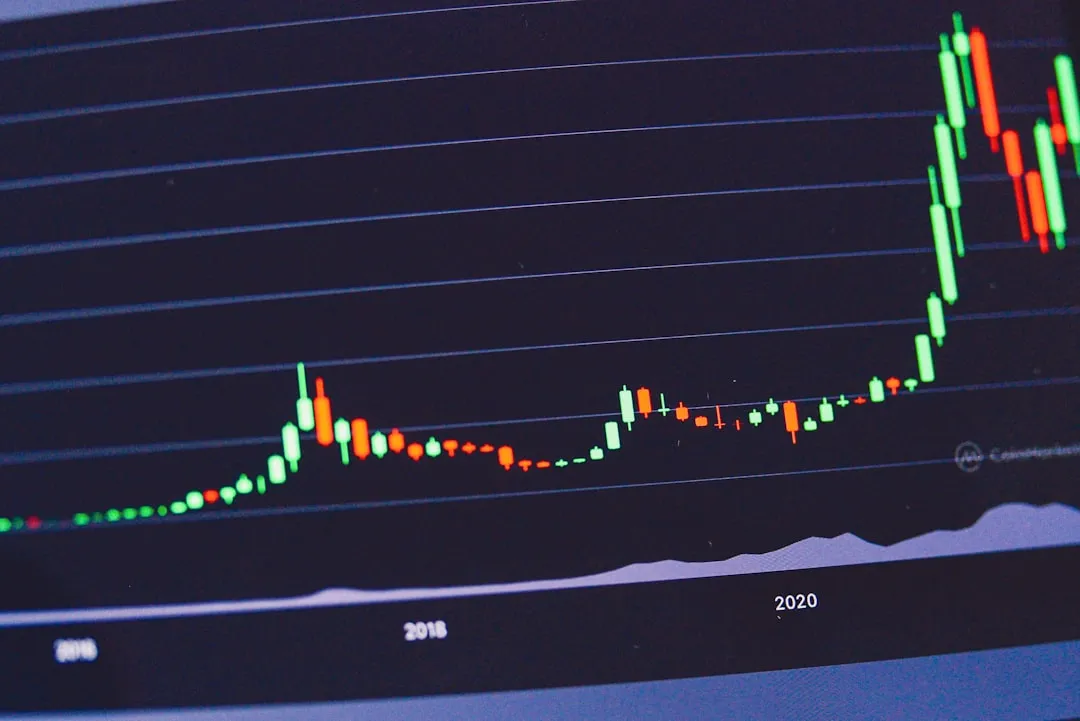
Cryptocurrency allocation represents another common error. While Bitcoin generated spectacular returns during certain periods, it exhibits 60-80% drawdowns that test even experienced investors. Most beginner investing UK portfolios benefit from zero cryptocurrency exposure until traditional holdings establish solid foundations. If allocation to crypto seems essential, limit it to 2-5% of total portfolio value.
Panic selling during corrections permanently impairs wealth accumulation. Someone who invested £10,000 in the FTSE All-Share in December 2019 and sold during the March 2020 COVID crash locked in 31% losses. That same investor holding through September 2024 enjoyed 42% total gains. The cardinal rule remains: temporary volatility becomes permanent loss only when you sell.
What Happens After Your First £100
Initial investment represents the beginning of a multi-decade process, not a destination. Understanding the trajectory helps maintain discipline through inevitable market turbulence.
Portfolio reviews should occur quarterly at most. Monthly or weekly checking correlates with worse outcomes, as short-term volatility triggers emotional decisions. Calendar reminders for February, May, August, and November reviews create structure without obsession. These reviews confirm contributions executed properly and assess whether allocation remains appropriate as circumstances evolve.
Rebalancing becomes relevant once portfolios exceed approximately £5,000 and hold multiple asset classes. When equity allocations drift more than 5 percentage points from targets, selling outperformers to buy underperformers maintains intended risk profiles. This disciplined selling high and buying low improves long-term returns by 0.5-1.0 percentage points annually.
Education should proceed gradually alongside portfolio growth. Reading annual shareholder letters from fund managers, consuming financial news selectively, and studying market history builds knowledge without triggering overconfidence. The goal remains understanding principles rather than predicting movements. A beginner's guide to investing can provide structured learning as your portfolio grows.
Increasing contributions as income grows matters more than sophisticated strategy adjustments. Someone earning £30,000 who receives 3% annual raises and increases investment contributions by the same 3% each year builds substantially more wealth than someone chasing marginal improvements in fund selection or platform costs.
Tax planning becomes increasingly relevant as portfolios approach £50,000. Utilising full ISA allowances, considering pension contributions that reduce taxable income, and timing capital gains realisations around annual exemptions can save thousands in tax over decades. These optimisations add limited value below £20,000 but compound significantly on larger portfolios.
The transition from £100 to £100,000 typically requires 10-15 years of consistent contributions and market participation. This timeline discourages some beginners seeking rapid wealth, but the alternative—never starting—guarantees continued financial limitation. The investor who begins today, regardless of amount, positions themselves ahead of those still waiting for perfect conditions that never arrive.
