Understanding the Crowd Founding Model
Crowd founding represents a financial mechanism that connects project creators with multiple small-scale investors through digital platforms. Unlike traditional funding routes that rely on banks or venture capital firms, this approach distributes financial risk across dozens, hundreds, or thousands of contributors. Each participant commits relatively modest amounts, collectively reaching the capital target required to launch a business, product, or creative endeavor.
The model operates on a simple premise: many people contributing small sums can match or exceed the resources available through conventional financing channels. Data from Statista indicates that global crowdfunding transaction values reached $1.4 billion in 2023, with projections suggesting continued growth through 2027. This shift reflects broader changes in how entrepreneurs access capital and how everyday investors participate in early-stage opportunities.
Three primary structures dominate the space: reward-based campaigns, equity arrangements, and debt financing. Reward-based models offer backers tangible products or services in exchange for contributions. Equity crowdfunding grants ownership stakes proportional to investment amounts. Debt-based platforms function as peer-to-peer lending networks where contributors expect repayment with interest. Each structure serves distinct needs and attracts different participant profiles.

The Mechanics of Crowdfunding Investment
Crowdfunding investment begins when a campaign creator establishes a funding goal and deadline on a specialized platform. The creator provides detailed information about the project, financial requirements, and what backers receive in return. Platforms typically charge fees ranging from 5% to 12% of total funds raised, though percentages vary based on campaign type and platform positioning.
Two funding models govern campaign outcomes. All-or-nothing structures require campaigns to meet their stated goal before any money changes hands. If the target remains unmet at deadline, all pledges return to backers. This approach protects contributors from supporting underfunded projects unlikely to succeed. Keep-what-you-raise models allow creators to retain all collected funds regardless of whether the goal was reached. This flexibility benefits projects with scalable plans but creates risk for backers who supported incomplete funding.
Payment processing occurs through the platform infrastructure after campaign completion. For all-or-nothing campaigns meeting their targets, the platform transfers funds minus fees within 5 to 14 business days. Contributors' payment methods are charged only when the campaign succeeds. Keep-what-you-raise campaigns process payments immediately or at regular intervals, depending on platform policies.
Due diligence falls primarily on backers. While platforms conduct basic verification of campaign creators, they rarely guarantee project viability or creator competence. Research from the University of Pennsylvania found that approximately 9% of successfully funded Kickstarter projects failed to deliver promised rewards. This statistic underscores the importance of independent research before committing funds.
Crowdfunding Web Platforms and Their Specializations
The crowdfunding web ecosystem comprises hundreds of platforms, each targeting specific niches or funding structures. Kickstarter pioneered the reward-based model and remains the largest platform in this category, hosting over 600,000 projects since its 2009 launch. The platform reports a 39.38% overall success rate, with variations across categories. Technology projects succeed at roughly 20%, while theater campaigns exceed 60%.
Indiegogo offers both all-or-nothing and flexible funding options, providing creators greater control over campaign structure. The platform has facilitated over $2 billion in funding across more than 800,000 campaigns. Its InDemand program allows successful campaigns to continue accepting contributions after initial deadlines, extending monetization opportunities for popular projects.
Equity crowdfunding platforms operate under different regulatory frameworks. SeedInvest screens applicants rigorously, accepting only 1% of companies that apply. This selectivity provides investors some assurance of baseline quality, though it does not eliminate risk. The platform requires companies to meet specific revenue thresholds or demonstrate significant traction before listing. Since 2012, SeedInvest has facilitated over $500 million in investments across more than 250 deals.
Crowdfunder targets startup equity investment and has processed over $1 billion in investments. The platform emphasizes network-building features, connecting entrepreneurs with accredited investors and industry mentors. Its dual focus on capital and connections differentiates it from pure transaction platforms.
Real estate crowdfunding occupies a specialized segment. Fundrise and RealtyMogul allow non-accredited investors to participate in property investments with minimum contributions as low as $500. These platforms pool investor capital to purchase, develop, or renovate properties, distributing returns based on rental income or sale proceeds. The real estate crowdfunding market exceeded $11 billion globally in 2022, according to Grand View Research.

Regulatory Framework and Investor Protections
Crowdfunding investment operates within regulatory boundaries that vary significantly by jurisdiction. In the United States, the JOBS Act of 2012 created legal pathways for equity crowdfunding while establishing investor protections. Regulation Crowdfunding (Reg CF) permits companies to raise up to $5 million annually from both accredited and non-accredited investors.
Reg CF imposes investment limits based on annual income and net worth. Investors earning less than $124,000 annually may invest the greater of $2,500 or 5% of the lesser of their annual income or net worth. Higher earners face a 10% limit. These restrictions aim to prevent unsophisticated investors from overexposing themselves to high-risk early-stage ventures.
Companies utilizing Reg CF must file disclosure documents with the Securities and Exchange Commission through a registered funding portal. Required disclosures include financial statements, business plans, ownership structures, and use of proceeds. Companies raising less than $124,000 may submit unaudited financials, while higher thresholds require reviewed or audited statements.
The European Union implemented the European Crowdfunding Service Providers Regulation in 2021, creating a harmonized framework across member states. The regulation permits platforms to offer services throughout the EU with a single authorization, provided they comply with standardized disclosure and risk warning requirements. Maximum offering size is capped at €5 million per project over 12 months.
The United Kingdom operates under Financial Conduct Authority oversight. British platforms must obtain FCA authorization and adhere to strict conduct rules. The FCA mandates risk warnings, appropriateness assessments for non-sophisticated investors, and cooling-off periods allowing investors to withdraw within 14 days of commitment.
Success Factors and Common Pitfalls
Campaign success correlates strongly with preparation quality. Research published in the Journal of Business Venturing found that campaigns with videos raise 105% more funds than those without. Professional photography, clear product demonstrations, and compelling narratives significantly improve conversion rates. The first 48 hours of a campaign prove critical—projects that achieve 30% of their goal within this window have an 84% probability of reaching full funding.
Pricing strategy directly impacts campaign outcomes. Reward tiers must balance perceived value against production costs. Creators commonly underestimate manufacturing expenses, shipping logistics, and platform fees. A study of failed Kickstarter projects revealed that 37% of creators cited cost miscalculations as primary failure factors. Conservative budgeting with 20-30% contingency buffers helps absorb unexpected expenses.
Pre-launch audience building determines campaign trajectory. Successful creators cultivate mailing lists, social media followings, and media contacts months before launch. Data indicates that campaigns securing 30% of funding from existing networks within the first week demonstrate substantially higher success rates. This initial momentum attracts additional backers through social proof mechanisms.
Communication consistency maintains backer confidence throughout campaign duration and post-funding development. Regular updates, transparency about challenges, and responsiveness to questions build trust. Analysis of 40,000 Kickstarter campaigns showed that projects posting at least five updates during the campaign raised 126% more on average than those with fewer updates.
Common pitfalls include unrealistic timelines, inadequate intellectual property protection, and underestimating fulfillment complexity. First-time hardware creators frequently propose delivery schedules that ignore manufacturing realities. Patent or trademark conflicts can halt product development or trigger legal costs that exhaust raised capital. Fulfillment logistics—particularly international shipping—consume more resources than novice creators anticipate.
Financial Performance and Market Trends
Industry data reveals considerable variation in returns across crowdfunding investment categories. Equity crowdfunding delivered median internal rates of return between 10-15% for investments held 3-5 years, according to Cambridge Associates research. However, these figures mask substantial dispersion—top quartile performers generated 40%+ returns while bottom quartile investments frequently resulted in total losses.
Default rates in debt-based crowdfunding range from 2% to 9%, depending on borrower screening rigor and loan characteristics. Platforms employing institutional-grade credit assessment models report default rates near the lower end of this spectrum. Interest rates typically span 6-12% for consumer loans and 8-15% for small business financing.
Real estate crowdfunding has produced more consistent but modest returns. Platforms report average annual returns between 8-12%, with quarterly or annual distribution schedules. Liquidity remains limited—most investments require hold periods of 3-7 years unless secondary markets exist.
Market trends indicate growing institutional participation in crowdfunding. Venture capital firms and corporate investment arms increasingly monitor crowdfunding platforms to identify promising opportunities. Some platforms now offer co-investment structures where institutional investors match crowd contributions, providing validation and potentially improving odds of success. Maclear provides comprehensive resources for understanding these evolving market dynamics.
Regulatory evolution continues shaping the landscape. The SEC periodically reviews crowdfunding rules, with industry participants advocating for higher raise limits and reduced compliance burdens. Expanded investment limits could accelerate growth but might increase retail investor risk exposure.
Risk Assessment and Due Diligence Practices
Evaluating crowdfunding opportunities requires systematic analysis across multiple dimensions. Team assessment ranks among the most predictive factors. Experienced founders with relevant industry backgrounds and successful track records demonstrate higher completion rates. LinkedIn profiles, previous company outcomes, and public records provide verification data.
Financial projections warrant skeptical scrutiny. Conservative analysts discount optimistic revenue forecasts by 40-60% to generate realistic scenarios. Break-even timelines typically extend 50-100% beyond creator estimates. Competitive analysis reveals whether market opportunity justifies projected growth rates.
Intellectual property status deserves careful examination. Freedom-to-operate searches identify potential patent conflicts. Trademark databases confirm brand name availability. Creators should demonstrate patent applications filed or granted for truly innovative products.
Prototype status indicates development maturity. Functional prototypes reduce execution risk compared to concepts shown only as renderings. Manufacturing partnerships, supplier agreements, and tooling quotes provide evidence of production planning.
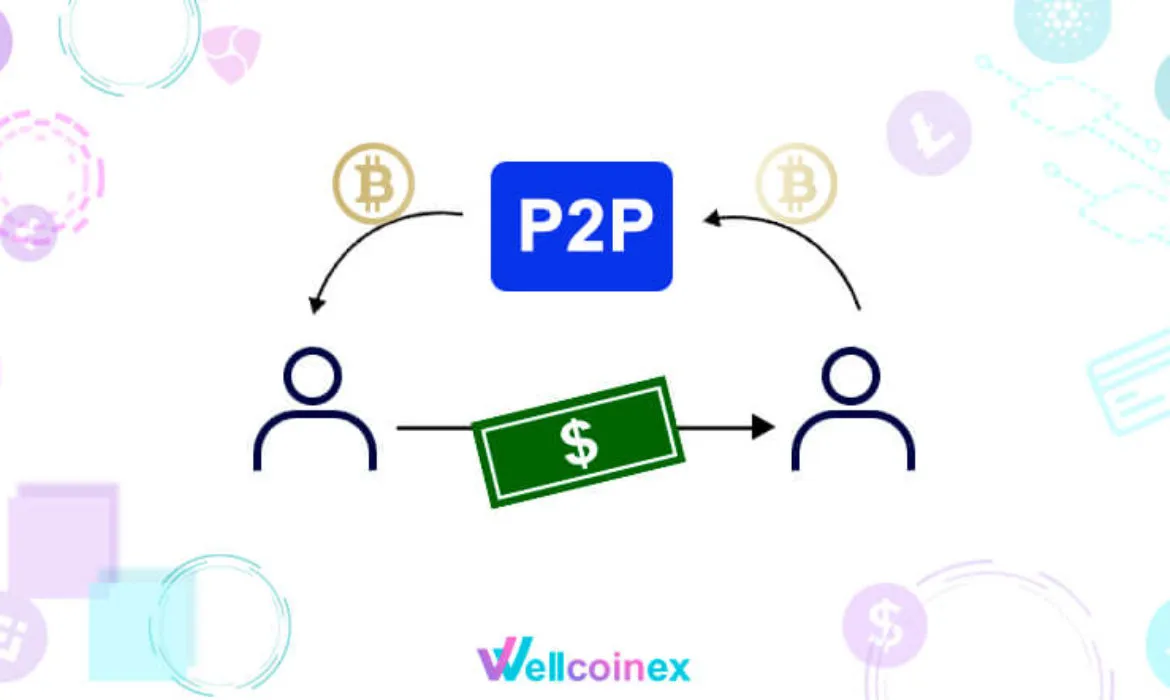
Third-party validation strengthens credibility. Media coverage, industry awards, retail partnerships, or pre-orders from established distributors suggest market viability. These signals differentiate serious ventures from aspirational concepts. Understanding alternative investment through P2P trading can provide additional context for evaluating diverse opportunities.
Platform selection itself provides risk signals. Established platforms with selective acceptance processes and track records of successful campaigns offer better odds than new or unvetted alternatives. Success rates, average funding amounts, and category specialization inform platform choice.
The Evolving Role in Capital Formation
Crowd founding has matured from alternative funding source to established capital market segment. Banks and traditional lenders now view successful crowdfunding campaigns as validation signals when evaluating subsequent loan applications. Some accelerators and incubators integrate crowdfunding into their curriculum, teaching entrepreneurs campaign mechanics alongside business fundamentals.
The model democratizes investment access, allowing ordinary individuals to participate in opportunities previously reserved for wealthy individuals or institutions. This broader participation creates more diverse funding patterns, potentially reducing bias in capital allocation. Research from Stanford University found that female-led campaigns succeeded at rates comparable to or exceeding male-led campaigns in several categories, contrasting with venture capital patterns where women receive approximately 2% of funding.
Corporate innovation teams utilize crowdfunding for market testing. Launching products through crowdfunding platforms provides demand validation before committing to full-scale production. Consumer response data, feature preferences, and willingness-to-pay information emerge from campaign performance, informing product development decisions.
Governments increasingly recognize crowdfunding as economic development tool. Tax incentives for crowdfunding investors exist in several jurisdictions. Regional development agencies partner with platforms to promote local entrepreneurship. These initiatives aim to stimulate small business formation and job creation. Exploring investment opportunities through crowdfunding can complement traditional approaches.
The intersection of crowdfunding with emerging technologies opens new applications. Blockchain-based platforms experiment with tokenized securities, potentially improving liquidity and transparency. Artificial intelligence tools help creators optimize campaigns and enable platforms to assess risk more accurately. These technological integrations may further transform how crowds and founders connect.
