Understanding Crowdfunding in Modern Finance
Crowdfunding represents a fundamental shift in how individuals and organizations raise capital. The model bypasses traditional financial intermediaries by connecting project creators directly with potential backers through digital platforms. Since its emergence in the early 2000s, crowdfunding has grown into a $13.9 billion global market as of 2023, according to industry research from Statista.
The mechanism operates on a simple premise: instead of seeking large sums from a single investor or institution, project initiators gather smaller contributions from a large number of people. This democratization of finance has opened doors for entrepreneurs, artists, nonprofits, and individuals who previously lacked access to conventional funding channels. The World Bank estimates that crowdfunding could reach $90 billion globally by 2025, reflecting its expanding role in the capital formation ecosystem.
Unlike traditional lending or investment structures, crowdfunding platforms serve as marketplaces where ideas compete for attention and financial support. Contributors make decisions based on project descriptions, creator credibility, and personal interest rather than purely financial metrics. This dynamic has created new pathways for innovation while simultaneously introducing novel risk considerations for participants on both sides of transactions. Maclear provides infrastructure for various peer-to-peer financial models.
Core Mechanics: How Does Crowdfunding Work
The operational framework of crowdfunding follows a structured process across most platforms. Project creators establish campaigns with specific funding goals, timelines, and reward structures or equity stakes. These campaigns go live on platforms that provide the technological infrastructure, payment processing, and audience reach necessary for success.
Campaign pages typically include detailed descriptions, video presentations, budget breakdowns, and creator credentials. Transparency plays a critical role in attracting backers; campaigns that disclose comprehensive information about fund allocation and project milestones generally achieve higher success rates. Research from Kickstarter shows that campaigns with videos raise 105% more funds than those without.
The funding period usually spans 30 to 60 days, creating urgency that drives decision-making. During this window, creators actively promote their campaigns through social media, email marketing, and public relations efforts. Platform algorithms often reward early momentum by featuring campaigns that gain traction quickly, creating a virtuous cycle of visibility and contributions.
Payment processing occurs in two primary models. The "all-or-nothing" approach releases funds only when campaigns reach their stated goals, protecting backers from supporting projects that lack sufficient capital to execute. The "keep-it-all" model allows creators to retain whatever they raise regardless of whether they hit targets, shifting risk assessment responsibilities to individual contributors.
Platform operators generate revenue through fees, typically charging 5% of funds raised plus payment processing costs of 3-5%. This structure aligns platform incentives with campaign success while keeping entry barriers relatively low for creators. Some specialized platforms charge flat fees or offer premium services for enhanced visibility.
Primary Crowdfunding Types and Their Applications
The crowdfunding landscape divides into four distinct categories, each serving different purposes and regulatory frameworks.
Reward-Based Crowdfunding
This model dominates consumer-facing platforms. Backers contribute funds in exchange for tangible rewards, early product access, or tiered benefits. The approach works particularly well for creative projects, consumer electronics, and physical products. Kickstarter and Indiegogo exemplify this category, having collectively facilitated over $10 billion in pledges since their respective launches.
Reward structures typically follow a tiered system where contribution levels unlock increasingly valuable benefits. A $25 pledge might secure early access to a product, while a $500 contribution could include personalized features or exclusive merchandise. This gamification encourages higher contribution amounts while building community around projects.
Success rates vary significantly by category. Technology products achieve funding goals approximately 37% of the time, while film projects succeed only 21% of the time, according to platform data. These disparities reflect differing market dynamics, production costs, and audience engagement patterns across sectors.
Equity Crowdfunding
Introduced through regulatory changes like the JOBS Act in the United States (2012), equity crowdfunding allows non-accredited investors to purchase stakes in early-stage companies. Platforms such as SeedInvest, Republic, and Crowdcube facilitate these transactions under securities regulations that limit investment amounts based on income and net worth.
The Securities and Exchange Commission caps individual investments at $2,200 per year for investors with annual income below $107,000 and net worth under $107,000. Higher earning investors may commit up to 10% of their annual income or net worth, whichever is greater. These protections aim to prevent excessive risk concentration among retail investors.
Equity crowdfunding campaigns raised $1.1 billion in the United States during 2022, according to SEC filings. Technology startups represent the largest category, followed by consumer products and food/beverage companies. The model appeals to companies seeking to build customer bases while raising capital, as shareholders often become brand advocates.
Due diligence requirements exceed those of reward-based platforms. Companies must disclose financial statements, business plans, and risk factors. Platform operators conduct background checks on founders and verify company registrations. Despite these safeguards, equity crowdfunding carries substantial risk; early-stage company failure rates exceed 70% within five years.
Donation-Based Crowdfunding
This category focuses on charitable causes, medical expenses, disaster relief, and community projects. GoFundMe dominates this space, processing over $15 billion in donations since 2010. Contributors receive no financial returns or physical rewards; motivation stems from altruism, personal connection, or social values.
Medical fundraising represents the fastest-growing segment within donation-based crowdfunding. Americans launched over 250,000 medical campaigns in 2020 alone, highlighting gaps in healthcare coverage. The average medical campaign raises $1,400, though outcomes vary dramatically based on social network size and promotional efforts.
Tax implications differ from other crowdfunding types. In the United States, donations to registered nonprofits through crowdfunding platforms may qualify as tax-deductible contributions. Personal fundraising for individuals typically does not confer tax benefits to donors, though recipients may avoid gift tax under certain conditions.
Debt-Based Crowdfunding
Also termed peer to peer lending, this model connects borrowers with individual lenders who collectively fund loans. Platforms like LendingClub and Prosper pioneered this approach, originating over $90 billion in loans since 2006. Interest rates typically fall between traditional bank rates and credit card APRs, creating value for both parties.
Credit scoring algorithms assess borrower risk, assigning ratings that determine interest rates and loan eligibility. Investors select loans based on these ratings, desired returns, and risk tolerance. Platforms often allow portfolio diversification by splitting investments across dozens or hundreds of individual loans.
Default rates average 5-7% across major platforms, though this varies by credit grade and economic conditions. During the 2020 economic disruption, some platforms experienced default spikes above 10% in lower credit tiers. These figures underscore the importance of diversification and realistic return expectations for participant lenders.
Regulatory oversight has intensified as the sector matured. Platforms must register with securities regulators, provide detailed risk disclosures, and maintain capital reserves. Some jurisdictions restrict peer-to-peer lending to accredited investors or impose lending caps to protect retail participants from excessive exposure.
Real-World Crowdfunding Examples
Examining successful campaigns illuminates the model's potential and limitations. The Pebble smartwatch raised $10.3 million on Kickstarter in 2012, setting records and validating consumer appetite for wearable technology. This success attracted venture capital investment and ultimately led to the company's acquisition by Fitbit for $40 million in 2016.
The Coolest Cooler campaign demonstrated both opportunities and pitfalls. After raising $13.3 million in 2014, production delays and cost overruns plagued the project. Many backers waited years for delivery, and the company eventually filed for bankruptcy in 2019. This case study highlights the execution risk inherent in crowdfunding, where enthusiasm may outpace operational capacity.
Equity crowdfunding enabled BrewDog, a Scottish craft brewery, to raise over $75 million through multiple campaigns between 2010 and 2021. The company's "Equity for Punks" initiative attracted more than 200,000 investors while building a devoted customer base. This approach proved that equity crowdfunding could scale beyond early-stage capital needs to support growth-stage companies.
Donation campaigns achieved remarkable impact during crisis situations. The Time's Up Legal Defense Fund raised over $24 million to support workplace harassment victims. Such campaigns demonstrate crowdfunding's ability to mobilize resources rapidly around social causes, bypassing institutional gatekeepers who might limit or delay support.
Risk Factors and Due Diligence Considerations
Crowdfunding participants face distinct risk profiles depending on their role and platform type. Project creators risk reputational damage if they fail to deliver promised products or returns. Public failure on major platforms creates permanent digital records that may hamper future fundraising efforts.
Backers and investors confront several challenges. In reward-based crowdfunding, an estimated 9% of funded projects fail to deliver rewards according to research tracking Kickstarter campaigns. Contributors have limited legal recourse beyond filing complaints with the Federal Trade Commission or pursuing small claims litigation.
Fraud, while relatively rare, poses serious concerns. Platform screening processes catch many fraudulent campaigns, but determined bad actors occasionally slip through. A 2018 study found that approximately 0.1% of campaigns involved fraudulent intent, representing millions in potential losses given the sector's scale.
Information asymmetry advantages project creators who possess detailed knowledge about feasibility, costs, and obstacles. Campaign materials may overstate progress, underestimate challenges, or omit material risks. Independent verification often proves difficult for individual backers lacking technical expertise or industry knowledge.
Intellectual property theft represents an underappreciated risk. Public campaign pages expose innovations to competitors who may rush similar products to market. Well-funded corporations can sometimes beat crowdfunded projects to market despite launching later, leveraging superior resources and established distribution channels.

Regulatory Landscape and Compliance Requirements
Crowdfunding operates under evolving regulatory frameworks that vary significantly across jurisdictions. The United States implemented Title III of the JOBS Act in 2016, establishing rules for Regulation Crowdfunding that govern equity offerings. These rules require disclosure documents, financial statement audits above certain thresholds, and ongoing reporting obligations for companies that successfully raise capital.
European markets developed their own approaches. The United Kingdom's Financial Conduct Authority regulates equity crowdfunding platforms, imposing capital requirements and conduct standards. The European Union adopted a unified crowdfunding regulation in 2021, creating a passport system allowing platforms licensed in one member state to operate throughout the bloc.
China's crowdfunding sector grew rapidly before regulators imposed significant restrictions following concerns about fraud and financial stability. Equity crowdfunding essentially ceased for retail investors, while reward-based platforms face enhanced scrutiny and content restrictions.
Platform obligations extend beyond initial campaign vetting. Most jurisdictions require platforms to verify creator identities, implement anti-money laundering procedures, and maintain transaction records. Failure to meet these obligations can result in fines, license revocation, or criminal liability for platform operators.
Securities laws apply when crowdfunding involves investment contracts or equity stakes. Platforms facilitating such transactions must register as funding portals or broker-dealers, subjecting them to examinations, capital requirements, and detailed recordkeeping mandates. These regulations increase operational costs but provide investor protections absent from purely reward-based platforms.
The Intersection With Trading Models
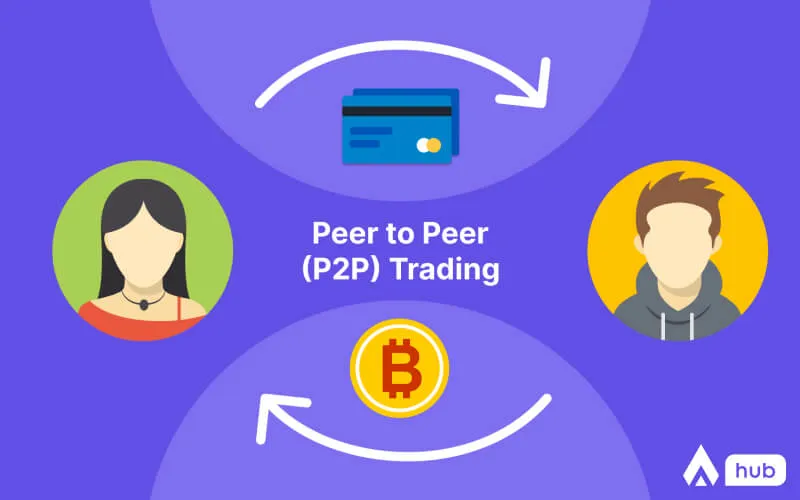
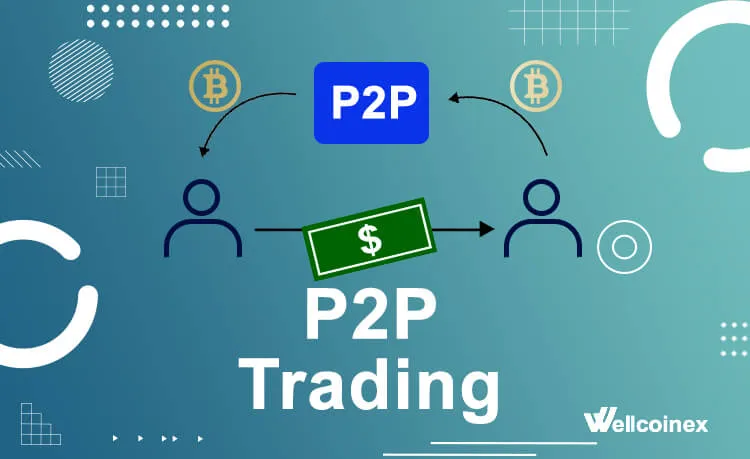
Crowdfunding shares conceptual foundations with peer-to-peer trading systems, both eliminating traditional intermediaries to connect parties directly. This structural similarity creates opportunities for cross-pollination and hybrid models that combine features from each approach.
Decentralized finance platforms have begun experimenting with blockchain-based crowdfunding that removes platform operators entirely. Smart contracts automate fund collection, milestone verification, and capital release according to predetermined rules. These systems promise reduced fees and increased transparency, though they introduce technical complexity and regulatory uncertainty.
The tokenization of crowdfunding contributions creates secondary markets where backers can trade their positions before projects complete. This liquidity feature addresses a major drawback of traditional crowdfunding, where capital remains locked until delivery or company exit. Several platforms now facilitate such trading, effectively creating peer-to-peer markets for crowdfunding positions.
Data from these hybrid models remains limited, but early indicators suggest enhanced backer satisfaction through improved liquidity. Trading volumes stay relatively low, indicating that most participants still view crowdfunding as a long-term commitment rather than a short-term trading opportunity.
Future Trajectories and Market Evolution
The crowdfunding sector continues evolving as technology advances and regulations mature. Artificial intelligence tools now help platforms screen projects more effectively, analyzing campaign descriptions, creator backgrounds, and market conditions to predict success probability. These systems may reduce fraud while helping quality projects gain visibility in increasingly crowded marketplaces.
Integration with traditional finance appears likely. Several commercial banks have launched partnerships with crowdfunding platforms, offering additional capital to successful campaigns or providing banking services to funded projects. This convergence suggests that crowdfunding may become a standard component of the capital formation ecosystem rather than an alternative to it.
Institutional participation is growing, particularly in equity crowdfunding. Venture capital firms increasingly scout crowdfunding platforms for deal flow, sometimes co-investing alongside retail backers. This development validates projects while introducing concerns about whether institutions crowd out retail investors or distort platform dynamics. Exploring investment opportunities through diverse channels remains essential for modern investors.
The market faces headwinds from economic uncertainty. During recessions, discretionary spending on crowdfunding rewards typically declines, and risk aversion reduces equity crowdfunding activity. However, donation-based crowdfunding often increases during crises as communities mobilize to support affected individuals and causes. Understanding alternative investment through P2P trading can help diversify portfolios.
Regulatory harmonization could unlock international growth. Current fragmentation forces platforms to navigate dozens of different legal frameworks, limiting cross-border campaigns and reducing market efficiency. Efforts toward international standards may eventually ease these constraints, expanding opportunities for both creators and backers.
