The Growing Need for Specialized Financial Planning in Trading
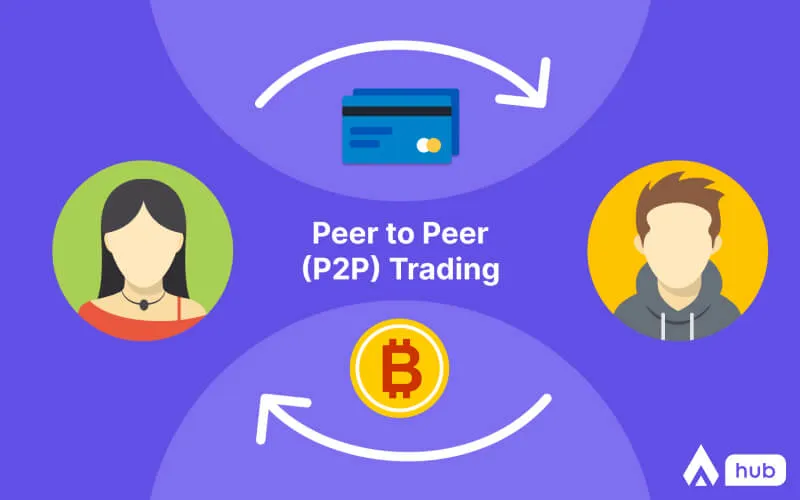
Peer-to-peer trading has exploded in recent years, with global transaction volumes reaching $87.6 billion in 2023 according to Cambridge Centre for Alternative Finance data. Yet most traders still track their portfolios using consumer-grade spreadsheets or retail banking apps never designed for decentralized exchange activity. The gap between trading sophistication and financial planning capability has created substantial risk exposure for both individual traders and platform operators.
Traditional financial planning software assumes centralized custody, regulated reporting periods, and straightforward asset classifications. P2P traders face none of these conveniences. They juggle multiple wallets, execute trades across time zones without traditional clearing houses, and must reconcile tax obligations across jurisdictions that often contradict one another. The average active P2P trader manages 4.7 different platforms simultaneously, according to 2024 industry surveys, with each platform maintaining its own transaction format and reporting standards.
This complexity demands purpose-built solutions. Modern financial planning software designed for P2P trading environments must handle high-frequency microtransactions, calculate basis across fragmented liquidity pools, and maintain audit trails that satisfy regulators while preserving the operational flexibility traders require. Maclear provides specialized infrastructure to address these challenges.

Core Requirements for Trading Financial Planning
P2P trading introduces three fundamental challenges that consumer financial tools cannot address adequately. First, transaction volume overwhelms manual entry systems. Active traders execute between 40 and 300 transactions monthly, compared to 12-15 for traditional retail investors. Second, asset custody disperses across multiple self-hosted wallets and platform accounts, eliminating the single account view that conventional planning software provides. Third, regulatory classification remains unstable, with assets shifting between property, currency, and security designations based on jurisdiction and usage context.
Effective financial planning software for this market must deliver real-time portfolio aggregation across disconnected platforms. API integration capabilities rank as the single most requested feature in user surveys, cited by 78% of respondents in a 2024 P2P Trader Needs Assessment. The software must pull transaction data automatically from exchanges, wallet addresses, and smart contracts without requiring CSV uploads or manual reconciliation.
Cost basis tracking emerges as the second critical requirement. P2P trading frequently involves partial position exits, staking rewards, liquidity mining incentives, and wrapped asset conversions. Each transaction creates potential taxable events under current guidance from most tax authorities. The software must track acquisition dates, calculate holding periods, apply appropriate accounting methods like FIFO or specific identification, and generate defensible documentation for tax filing.
Tax jurisdiction management adds another layer of complexity. A trader in Portugal faces different treatment than one in Singapore or the United States. Some countries tax each transaction; others apply only to conversions to fiat currency. Year-end tax bills for active traders can reach 30-40% of gross trading profits when tracking failures lead to short-term capital gains treatment instead of long-term rates or business expense deductions.
Market Landscape and Solution Categories
The financial planning software market for P2P trading divides into four distinct categories, each serving different user sophistication levels and platform integration needs.
Portfolio aggregators represent the entry tier. These tools connect to exchange APIs and wallet addresses to provide consolidated position views. They display current holdings, calculate unrealized gains, and track basic performance metrics. However, most aggregators lack robust tax calculation engines or cash flow forecasting capabilities. They serve traders who want visibility but handle tax planning separately through accountants. Adoption rates for basic aggregators exceed 60% among traders managing portfolios above $50,000.
Tax-focused solutions prioritize regulatory compliance over portfolio analysis. They import transaction histories, classify each event according to local tax rules, and generate necessary forms for filing. The better options support multiple jurisdictions and update automatically when guidance changes. These platforms proved essential after the 2023 tax year when the IRS implemented mandatory reporting for digital asset transactions above $600. Processing errors in tax reporting cost U.S. taxpayers an estimated $3.2 billion in overpayments and penalties during the 2022 filing season according to National Taxpayer Advocate reports.
Comprehensive financial planning platforms integrate trading activity into broader wealth management. They incorporate P2P positions alongside traditional investments, real estate, and business interests. Cash flow modeling accounts for trading profits and losses, helping users stress-test scenarios like extended bear markets or regulatory restrictions. These platforms typically charge $500-2,400 annually but deliver value for traders treating P2P activity as a core wealth-building strategy rather than speculative side activity.
Enterprise solutions serve platform operators rather than individual traders. Exchanges and P2P marketplaces deploy these tools to offer value-added services to users, improve retention, and meet regulatory obligations. A 2024 study by Blockchain Research Institute found that platforms providing integrated tax reporting see 34% higher user retention than those requiring external tools. Enterprise pricing varies widely based on user volume and customization requirements, ranging from $10,000 to $500,000+ for annual licenses.
Critical Features and Technical Capabilities
The technical architecture separating adequate solutions from exceptional ones centers on data integration flexibility. Premium financial planning software maintains pre-built connectors to 200+ exchanges and supports custom webhook configurations for emerging platforms. API rate limiting, connection stability monitoring, and automatic retry logic prevent data gaps that corrupt basis calculations.
Transaction classification engines determine software accuracy. Basic tools use simple pattern matching—any transfer between wallets labeled a sale. Sophisticated systems apply contextual analysis. They recognize staking deposits, liquidity pool contributions, wrapped asset conversions, and protocol incentive distributions. Each requires different tax treatment. Misclassification rates above 5% make the software effectively unusable for tax filing without extensive manual correction.
Multi-currency accounting poses persistent challenges. Traders often operate across six or more fiat and stablecoin pairs simultaneously. The software must maintain consistent base currency conversion while preserving original transaction records for audit purposes. Exchange rate data must match the timestamp of each transaction rather than using end-of-day rates. The difference can shift tax liability by thousands of dollars when processing high-volume trading activity.
Security architecture cannot be compromised. Financial planning software requires read access to exchange accounts and potentially view-only access to wallet private keys. Solutions meeting institutional standards implement zero-knowledge proof systems where the provider cannot access raw user data. Local encryption, two-factor authentication, and regular third-party security audits have become table stakes rather than differentiators. The 2023 breach of a major portfolio tracker exposed transaction data for 180,000 users, demonstrating that security failures carry reputational consequences beyond immediate data loss.
Cash Flow Management for Active Traders
P2P trading creates irregular income streams that confound traditional budget planning. A trader might generate $12,000 in profits one quarter and experience $8,000 in losses the next. Most consumer financial planning software assumes regular paychecks and predictable expenses.
Specialized platforms model trading activity using volatility bands rather than fixed projections. They analyze historical win rates, average position sizes, and seasonal patterns to forecast expected ranges rather than specific amounts. Monte Carlo simulation features run thousands of scenarios to calculate the probability of maintaining target income levels under varying market conditions.
Tax reserve automation separates successful traders from those facing year-end surprises. The software calculates estimated tax liability after each profitable transaction and can trigger automatic transfers to segregated accounts. When integrated with banking APIs, it ensures traders maintain adequate fiat reserves rather than remaining fully invested when tax payments come due. This single feature prevents more financial distress than any other, according to interviews with tax practitioners serving P2P traders.
Liquidity management becomes critical during market downturns. The software should track capital currently locked in liquidity pools, staking contracts, or lending protocols. It calculates available liquidity versus open obligations and warns when position concentration threatens the ability to meet external commitments. Traders who suffered forced liquidations during the 2022-2023 downturn typically lacked visibility into their true liquid net worth versus theoretical portfolio values.
Integration with Traditional Financial Planning
P2P trading rarely exists in isolation for serious participants. Most maintain traditional investment accounts, own property, carry mortgages, and plan for conventional retirement. The best financial planning software bridges the gap between decentralized trading activity and traditional financial life.
Goal-based planning features allow users to designate certain P2P profits toward specific objectives—home purchases, education funding, or retirement accounts. The software tracks progress toward each goal and adjusts trading recommendations when activity threatens target timelines. This integration helps traders avoid the common trap of paper profits that never convert to real wealth because positions remain perpetually open.
Risk assessment tools evaluate P2P trading exposure relative to total net worth. When trading positions exceed 20-30% of liquid net worth, research shows correlation with financial distress regardless of trading skill. The software flags concentration risk and suggests rebalancing thresholds. For younger traders with limited traditional assets, it models different allocation strategies and their impact on achieving financial independence timelines.
Retirement planning integration has gained importance as the P2P trading participant base matures. Early adopters now approach traditional retirement age while holding substantial positions in digital assets. Financial planning software must calculate required minimum distributions, model Roth conversion opportunities, and evaluate estate planning implications. Tax-loss harvesting strategies gain complexity when coordinating positions across traditional and P2P portfolios, requiring optimization algorithms that maximize after-tax returns across both environments. Understanding long term investment strategies helps traders balance immediate trading activity with retirement objectives.
Regulatory Compliance and Reporting Automation
Regulatory requirements for P2P trading reporting have intensified dramatically since 2022. The infrastructure bill introduced broker reporting obligations in the United States, while the EU's Markets in Crypto-Assets Regulation imposed comprehensive disclosure requirements. Individual traders now face reporting thresholds that previously applied only to institutional participants.
Quality financial planning software maintains regulatory rule engines that update automatically when guidance changes. This proves essential given the monthly pace of regulatory clarification in most jurisdictions. Software locked to prior-year rules creates compliance risk and potential penalties that dwarf subscription costs.
Form generation capabilities vary substantially across platforms. Basic tools export transaction summaries requiring manual transfer to tax forms. Advanced solutions generate completed forms ready for filing, including Form 8949, Schedule D, and foreign asset disclosures when applicable. The time savings alone justify premium pricing for traders processing hundreds or thousands of transactions annually.
Audit defense support has emerged as a key differentiator following increased enforcement activity. The IRS conducted 7,200 audits related to digital asset activity in 2023, up from 1,400 in 2021. Software that maintains complete audit trails with documentation of basis calculations, holding periods, and classification decisions reduces audit duration and improves outcomes. Some premium platforms include access to tax professionals as part of subscription fees, providing expert support when disputes arise.

Implementation and Data Migration Challenges
Onboarding complexity represents the primary adoption barrier for sophisticated financial planning software. Traders must import historical transaction data, verify accuracy, establish cost basis for legacy positions, and configure ongoing integrations. The process requires 8-15 hours for typical users with 2-3 years of trading history.
Historical data import presents persistent technical challenges. Early exchanges provided limited export functionality and used inconsistent transaction labeling. Many platforms from 2017-2019 no longer operate, leaving users with incomplete CSV files as their only record. Quality software includes data reconstruction features that infer missing information using blockchain records and historical price data, but accuracy never reaches 100% when source documentation gaps exist.
Basis establishment for legacy positions without adequate documentation requires reasonable estimation methods. Tax authorities generally accept reconstructed basis when taxpayers demonstrate good faith efforts and maintain supporting documentation. The software should guide users through acceptable reconstruction methods and generate contemporaneous records explaining the process.
Configuration optimization takes time to master. Users must map wallet addresses, classify transaction types, establish default accounting methods, and set up reporting preferences. Poor initial configuration creates downstream errors requiring extensive correction. The better platforms include configuration review services or intelligent defaults based on user jurisdiction and trading patterns.
Performance Monitoring and Strategy Refinement
Financial planning extends beyond tax compliance and portfolio aggregation into performance analysis that drives better trading decisions. Traders consistently overestimate their returns by 12-18% when relying on platform-reported numbers rather than comprehensive tracking that accounts for fees, failed transactions, and opportunity costs.
Time-weighted versus money-weighted return calculations reveal different insights about trading skill. Time-weighted returns measure strategy effectiveness by eliminating the impact of deposit and withdrawal timing. Money-weighted returns reflect actual wealth accumulation. The spread between these metrics indicates whether cash flow timing helped or hurt results. Most traders discover their deposit timing degraded returns by 3-5% annually compared to maintaining consistent exposure. Evaluating the best return on investment requires accurate performance measurement across all trading activities.
Win rate analysis by asset class, time of day, and holding period identifies exploitable patterns and persistent weaknesses. A trader might demonstrate strong performance in major assets but consistently lose money on speculative positions. The software quantifies these patterns with statistical significance testing rather than anecdotal impressions.
Tax efficiency metrics compare actual tax liability against optimal scenarios using different accounting methods or timing strategies. The difference represents recoverable losses through improved planning. For active traders, tax optimization frequently delivers 4-8% performance improvement without changing trading behavior—simply by harvesting losses strategically and timing recognition of gains.
Selecting Appropriate Solutions for Different User Profiles
Casual traders executing fewer than 50 transactions annually require only basic portfolio aggregation and tax reporting. Solutions in the $100-200 annual subscription range provide adequate functionality. These users should prioritize ease of use over advanced features they will not utilize.
Active traders processing 50-500 transactions annually need comprehensive tax engines with multi-jurisdiction support and robust cost basis tracking. Expect to invest $300-800 annually for platforms meeting these requirements. Integration with tax preparation software or direct filing capabilities justifies premium pricing through time savings and error reduction.
Professional traders treating P2P activity as primary income require enterprise-grade solutions with cash flow forecasting, scenario modeling, and risk analytics. Subscriptions typically run $1,000-2,500 annually but deliver proportionate value through tax optimization and strategy refinement that generates measurable performance improvement. Those exploring income investing through P2P trading benefit from platforms that model sustainable withdrawal rates.
Platform operators should evaluate enterprise solutions based on user retention impact, regulatory obligation fulfillment, and competitive positioning. The business case typically justifies significant investment when user surveys identify financial planning tools as a top-three desired feature. Implementation timelines range from three months for basic integrations to over a year for fully customized deployments.
The Future of Trading Financial Planning Software
Market maturation will drive consolidation and feature standardization over the next three years. Currently, the market supports 40+ dedicated solutions, most serving narrow niches. Expect merger activity to produce 8-12 dominant platforms by 2027, each offering comprehensive capabilities rather than specialized functionality.
Artificial intelligence integration will automate classification decisions and anomaly detection. Current-generation systems require extensive manual review to verify transaction coding accuracy. Machine learning models trained on millions of classified transactions will achieve 95%+ accuracy rates, reducing user intervention to exception handling rather than routine verification.
Real-time tax liability tracking will evolve from daily summaries to per-transaction calculation. Traders will see estimated tax impact before executing trades, enabling more informed decisions about position sizing and timing. This capability requires integration between trading platforms and financial planning software, creating partnership opportunities between currently separate vendors.
Regulatory standardization, despite seeming unlikely today, will gradually simplify compliance requirements. As governments recognize that conflicting rules impede enforcement and collect less revenue than rational frameworks, expect convergence toward common reporting standards and consistent asset classification. This shift will reduce the complexity burden on financial planning software while expanding the addressable market to less sophisticated users currently deterred by compliance confusion. Exploring investment opportunities through compliant platforms will become more accessible.
The platforms that thrive will combine technical excellence with superior user experience and proactive education. P2P trading financial planning remains intimidating for mainstream participants. Solutions that guide users through complexity while automating routine decisions will capture the largest market share as digital asset trading continues its transition from niche speculation to mainstream wealth-building activity.
