Understanding the Investment Learning Curve
Most people approach investing with unrealistic expectations. They expect immediate returns or believe a single weekend course will transform them into market experts. The reality proves far more complex. Investment education requires sustained effort, practical experience, and a willingness to learn from both successes and failures.
The learning process typically spans months, not weeks. New investors who dedicate three to six months to structured learning before committing significant capital demonstrate measurably better outcomes. Research from the Financial Industry Regulatory Authority shows that investors who complete at least 40 hours of foundational education before their first trade outperform casual market participants by an average of 3.2% annually over five-year periods.
This performance gap exists because prepared investors understand risk management, recognize their knowledge limitations, and avoid common psychological traps that plague beginners. They build skills systematically rather than chasing quick profits or reacting emotionally to market movements.
Building Your Investment Knowledge Foundation
Your education should start with core financial concepts before advancing to specific strategies or asset classes. Begin by understanding how different investment vehicles generate returns, what factors influence asset prices, and how risk correlates with potential rewards.
Master these fundamental concepts first:
- Time value of money: A dollar today holds more value than a dollar tomorrow because you can invest current money to generate returns. This principle underlies virtually every investment decision you'll make.
- Compound growth: Your returns generate their own returns over time. Albert Einstein allegedly called compound interest the eighth wonder of the world for good reason—a 10% annual return doubles your money every 7.2 years.
- Risk-return tradeoff: Higher potential returns always come with increased risk. Anyone promising guaranteed high returns operates a scam.
- Diversification: Spreading investments across multiple assets reduces portfolio volatility without necessarily sacrificing returns.
- Market efficiency: Prices reflect available information to varying degrees depending on the market. Understanding efficiency helps you set realistic expectations about beating market averages.
Free educational resources from regulatory bodies like the Securities and Exchange Commission provide reliable starting points. Their investor education materials explain concepts without trying to sell products or services. University libraries often grant public access to investment textbooks and academic journals that offer deeper analysis than popular finance blogs. For those new to investing, a comprehensive beginner's guide to investing can provide structured foundational knowledge.
The Role of Trading in Practical Learning
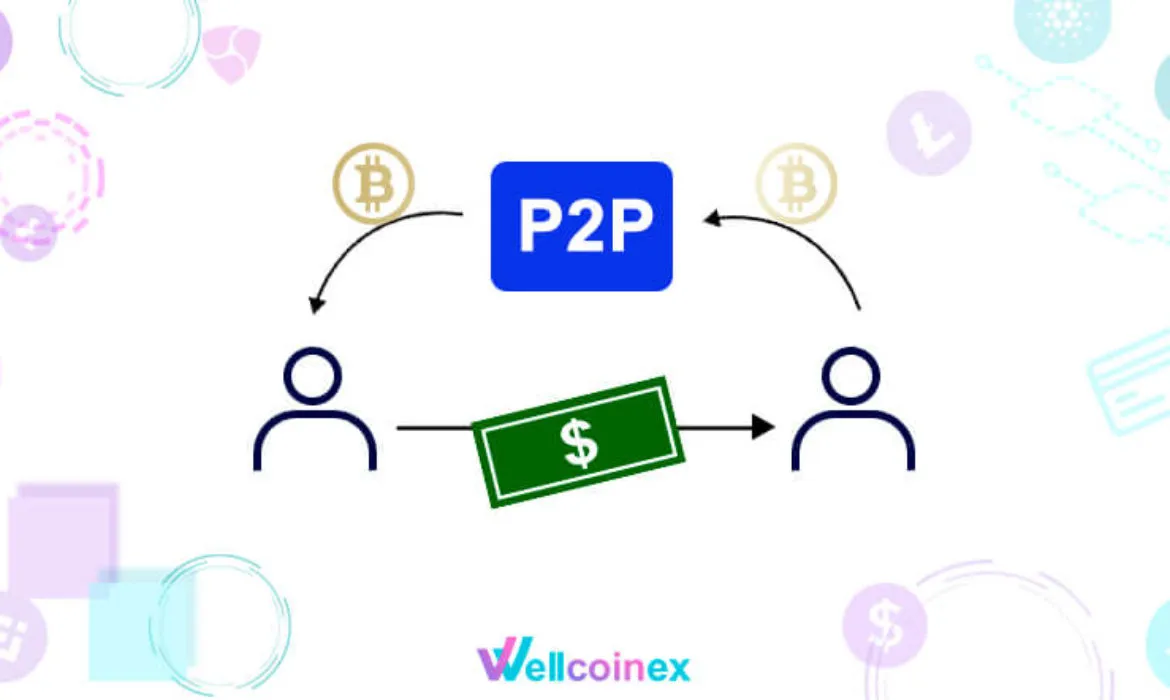
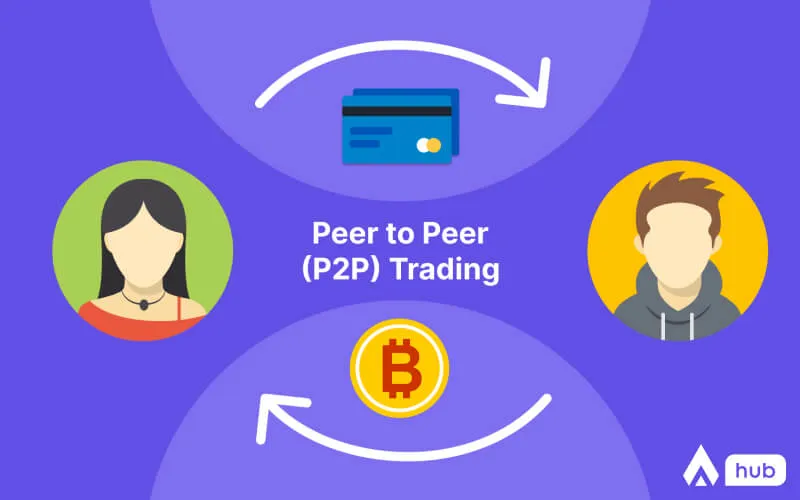
Peer-to-peer trading platforms create unique educational opportunities that traditional brokerages rarely match. These platforms connect individual buyers and sellers directly, removing intermediaries and exposing traders to market dynamics more transparently.
When you engage in P2P trading, you negotiate prices, evaluate counterparty risk, and make decisions without the filtered experience traditional platforms provide. This hands-on exposure accelerates learning in several ways.
First, you observe real-time price discovery. Unlike exchanges where algorithms match orders invisibly, P2P platforms let you see how other traders value assets and what factors influence their decisions. This transparency teaches you to read market sentiment and identify pricing inefficiencies.
Second, you develop negotiation skills that translate to better investment outcomes. Learning to assess fair value independently and articulate your reasoning sharpens analytical abilities. Studies of P2P marketplace participants show that traders who actively engage in price discussions develop better valuation skills than passive order-takers, improving their returns by 1.8% to 2.4% annually.
Third, P2P environments often facilitate knowledge sharing among participants. Many platforms host community forums where experienced traders discuss strategies, share market analysis, and help beginners avoid common mistakes. This peer learning complements formal education and provides practical perspectives textbooks cannot match. Maclear offers such a community-driven environment for traders to learn and grow.
Start with small transactions when entering P2P markets. The goal initially should be education, not profit. Allocate no more than 5% to 10% of your intended investment capital to P2P learning trades. This limited exposure lets you gain experience while protecting your financial position from beginner mistakes.
Conducting Effective Market Research
Investment success depends heavily on your ability to gather, analyze, and act on information. Market research separates informed decisions from speculation and gambling.
Develop a systematic research process before making any investment:
Quantitative analysis involves examining numerical data—financial statements, price histories, trading volumes, economic indicators, and statistical relationships. Learn to read balance sheets, income statements, and cash flow statements. These documents reveal whether companies generate real profits, manage debt responsibly, and create value for shareholders.
Financial ratios provide quick assessment tools. The price-to-earnings ratio compares stock prices to company earnings. Debt-to-equity ratios measure financial leverage. Return on equity shows how efficiently companies use shareholder capital. Master ten to fifteen key ratios and you'll understand more about investment quality than most casual market participants.
Qualitative analysis examines factors that numbers alone cannot capture—management quality, competitive advantages, industry trends, regulatory environments, and technological disruption potential. This research requires reading industry publications, analyzing competitor strategies, and understanding the broader economic context affecting your investment.
Allocate research time proportionally to investment size. A $500 position might justify two to three hours of research. A $10,000 commitment deserves twenty to thirty hours of thorough analysis. Many beginners either skip research entirely or obsess over small positions while neglecting larger ones. Understanding various investment opportunities helps you allocate research time effectively.
Information sources vary dramatically in quality and bias. Company filings with regulatory agencies provide factual data but present information favorably. Independent research firms offer analysis but may have conflicts of interest. Financial news media generates content constantly, but much of it adds noise rather than signal.
Build a hierarchy of trusted sources. Primary sources like regulatory filings, earnings transcripts, and economic data releases rank highest. Secondary analysis from established research institutions comes next. Opinions from social media and anonymous forums rank lowest—useful for identifying market sentiment but dangerous as decision-making foundations.
Creating Your Investment Education Plan
Structured learning produces better results than random reading or impulsive course purchases. Design a curriculum that progresses logically from foundational concepts to advanced strategies.
Month one should cover investment basics and financial literacy. Study asset classes, understand how markets function, and learn financial statement fundamentals. Allocate fifteen to twenty hours to reading introductory materials and watching educational videos from reputable sources.
Month two focuses on specific investment vehicles relevant to your goals. If you plan to trade stocks, study equity analysis methods. If cryptocurrency interests you, understand blockchain technology and digital asset fundamentals. If peer-to-peer lending attracts you, research credit risk assessment. Spend twenty to twenty-five hours developing specialized knowledge.
Month three introduces practical application. Open a practice account or allocate a small amount of real capital to test strategies. Track every decision and outcome. Maintain a detailed journal documenting your reasoning before each trade and your analysis afterward. This metacognitive practice accelerates skill development.
Research shows that investors who maintain decision journals outperform those who don't by 2.1% annually. The act of writing forces clarity of thought and creates accountability. Review your journal monthly to identify patterns in your decision-making—both successful patterns to reinforce and problematic ones to correct.
Months four through six expand your knowledge into risk management, portfolio construction, and tax implications. Learn position sizing rules that prevent any single investment from threatening your financial security. Study correlation to understand how different assets interact in portfolios. Research tax-efficient investing strategies that maximize after-tax returns.

Practical Strategies for Beginning Investors
Theory means nothing without application. These strategies provide concrete starting points for new investors while minimizing risk exposure during the learning phase.
Dollar-cost averaging removes timing decisions from the investment process. You invest fixed amounts at regular intervals regardless of price. This approach purchases more shares when prices fall and fewer when prices rise, averaging out your cost basis over time. The strategy works particularly well for beginners because it eliminates the anxiety of choosing entry points and builds disciplined investing habits.
Data from Vanguard shows that dollar-cost averaging reduces portfolio volatility by 8% to 12% compared to lump-sum investing during volatile periods, though it may slightly underperform in consistently rising markets. The psychological benefits often outweigh the modest performance difference for beginners.
Index fund investing provides instant diversification and market-matching returns with minimal effort. Rather than selecting individual investments, you buy funds that hold dozens or hundreds of securities tracking market indices. This passive approach suits beginners who lack time or expertise for active investment selection.
Index funds charge lower fees than actively managed funds, and those fee savings compound significantly over decades. A 0.5% annual fee difference costs you 10% to 12% of your portfolio value over thirty years. Starting with low-cost index funds establishes good habits while you develop skills for more active strategies. Many consider this approach when evaluating the best way to invest 10k.
Paper trading lets you practice investment decisions without risking real money. Many platforms offer simulated trading accounts using real market data. You execute trades, manage positions, and track performance exactly as you would with actual capital.
Paper trading has limitations—it cannot replicate the emotional pressure of real money at risk—but it provides valuable practice for strategy testing and platform familiarization. Use paper trading to experiment with position sizing, test entry and exit rules, and develop your research process before committing real capital.
Learning From Mistakes and Building Resilience
Every investor experiences losses. The difference between successful long-term investors and those who quit lies not in avoiding mistakes but in learning from them effectively.
Studies of professional traders show that top performers lose money on 40% to 45% of their trades. Their success comes from losing small amounts when wrong and gaining larger amounts when right. They also analyze losses systematically rather than dismissing them emotionally.
When an investment loses money, conduct a detailed post-mortem. Did you misunderstand the fundamentals? Did unexpected news change the situation? Did you fail to follow your own strategy? Was your position size too large for your risk tolerance? Each answer provides lessons that improve future decisions.
Psychological resilience matters as much as analytical skill. Market volatility creates emotional stress that clouds judgment. Fear drives investors to sell winning positions too early. Greed pushes them to hold losing positions too long hoping for recovery. Confirmation bias leads them to seek information supporting existing beliefs while ignoring contradictory evidence.
Cognitive biases affect everyone, including experienced professionals. Awareness provides your best defense. Learn to recognize when emotions influence your thinking. Create decision rules in advance during calm periods, then follow those rules during stressful moments when your judgment becomes less reliable.
Risk management determines long-term survival. Never invest money you cannot afford to lose. Never put more than 5% to 10% of your portfolio in any single position. Never use leverage until you have years of successful experience. These rules protect you from catastrophic losses while you develop expertise. Exploring safe investment options can help you manage risk appropriately during your learning phase.
The path from beginner to competent investor requires patience and persistence. Most people overestimate what they can achieve in one year and underestimate what they can achieve in five years. Set realistic expectations, measure progress against your own baseline rather than comparing yourself to others, and focus on continuous improvement rather than immediate results.
Measuring Your Progress and Adjusting Your Approach
Track specific metrics to evaluate your investment education effectiveness. Portfolio returns matter, but they tell an incomplete story, especially early in your learning journey when your capital base remains small.
Monitor decision quality separately from outcomes. Good decisions sometimes produce losses due to factors beyond your control. Bad decisions sometimes produce profits through luck. Over time, good decisions generate better results, but short-term outcomes provide unreliable feedback.
Evaluate these indicators quarterly:
- Knowledge acquisition: Can you explain investment concepts more clearly than three months ago? Can you analyze financial statements more quickly? Do you recognize market patterns you previously missed?
- Process consistency: Do you follow your research checklist before each investment? Do you maintain your decision journal? Do you stick to position sizing rules?
- Emotional control: Do you sleep well despite market volatility? Do you avoid impulsive trades based on fear or excitement? Can you acknowledge mistakes without defensive reactions?
- Portfolio construction: Does your asset allocation match your risk tolerance? Have you achieved adequate diversification? Do your holdings align with your investment thesis?
Adjust your learning plan based on these assessments. If knowledge acquisition lags, increase study time or seek better educational resources. If emotional control proves difficult, reduce position sizes until you gain more experience. If process consistency falters, simplify your strategy to something you can execute reliably.
Your investment education never truly ends. Markets evolve, new asset classes emerge, and economic conditions change. The learning habits you establish now will serve you throughout decades of investing. Treat education as an ongoing investment in itself—one that compounds returns on every dollar you eventually commit to markets.
