The Evolution of Trading as an Asset Class
Peer-to-peer trading has transformed from a niche experimental concept into a structured avenue for capital deployment. The model eliminates traditional intermediaries, connecting buyers and sellers directly through digital platforms. Global P2P transaction volumes reached £68 billion in 2022, with UK markets accounting for approximately £4.2 billion of that total, according to data from the Cambridge Centre for Alternative Finance.
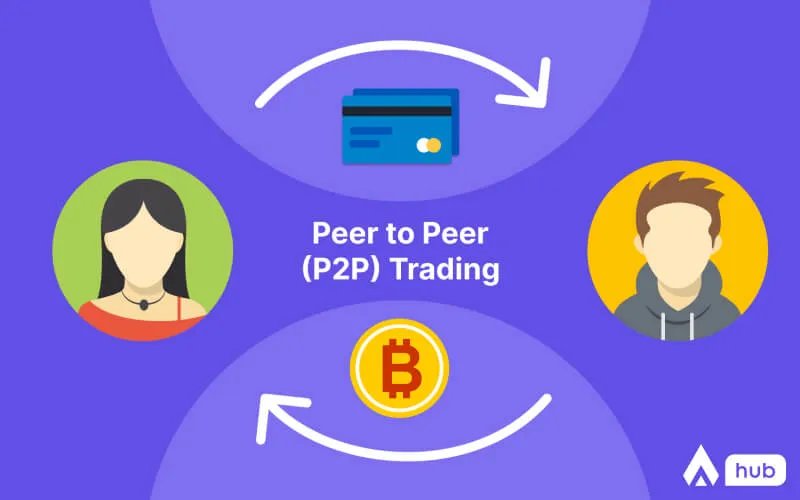
The distinction between P2P trading and conventional investments lies in the direct nature of capital flows. Traditional equity markets route transactions through exchanges and brokerages. P2P platforms function as matching engines, facilitating direct bilateral agreements between participants. This structural difference creates both opportunities and obligations for those deploying capital.
UK market participation in P2P activities grew by 23% year-over-year through 2023, with Ireland showing similar momentum at 19% growth. These figures reflect broader acceptance of alternative investment vehicles among retail and institutional participants. The regulatory frameworks governing these activities have matured substantially since the Financial Conduct Authority assumed oversight of P2P lending platforms in 2014.
Core Mechanics of Investment Structures
P2P trading encompasses multiple transaction types. Lending platforms connect individuals willing to extend credit with borrowers seeking funds. Trading platforms facilitate direct exchange of cryptocurrencies, commodities, or other assets between parties. Equity crowdfunding platforms enable direct investment in private companies. Each category operates under distinct regulatory requirements and risk parameters.
The lending segment dominates UK P2P markets, representing approximately 67% of total platform activity. Property-backed lending accounts for the largest share at 42% of lending volume, followed by business loans at 38% and consumer credit at 20%. These allocations shift based on economic conditions and regulatory changes.
Investment mechanics vary significantly by platform architecture. Some operate on an automated allocation model, where capital gets distributed across multiple loans or transactions according to predefined criteria. Others employ a manual selection process, requiring active participation in choosing specific opportunities. The automated approach provides diversification benefits but reduces granular control. Manual selection offers precise capital allocation but demands substantial time investment and analytical capability.
Transaction fees typically range from 0.5% to 2% depending on platform type and service level. Lending platforms often charge borrowers origination fees between 1% and 5%, with investors receiving returns net of platform operating costs. Trading platforms structure fees as percentage spreads or flat transaction charges. Understanding the complete fee structure proves essential for accurate return calculations.
Risk Architecture in Direct Trading Models
Default risk represents the primary concern for P2P lending participants. Historical default rates across UK platforms averaged 4.3% for consumer loans and 2.7% for secured business lending between 2018 and 2023. These figures mask substantial variation between platforms and loan grades. Some platforms reported default rates below 1%, while others exceeded 8% during the same period.
Liquidity constraints differentiate P2P investments from publicly traded securities. Secondary markets exist on many platforms, but transaction volumes remain thin compared to conventional exchanges. Exit timeframes can extend from days to months, depending on asset type and market conditions. Several prominent platforms suspended withdrawals during periods of stress, highlighting systemic liquidity risks.
Platform failure represents an underappreciated risk category. Since 2015, fourteen UK-regulated P2P platforms ceased operations or entered administration. When platforms fail, recovering invested capital becomes complex and time-consuming. The Financial Services Compensation Scheme does not cover P2P investments, leaving participants exposed to platform insolvency.
Regulatory risk continues evolving as authorities refine oversight frameworks. The FCA implemented stricter marketing rules in December 2019, requiring platforms to verify investor sophistication and impose investment limits. Additional regulatory changes remain possible as authorities assess market development and consumer outcomes.
Currency exposure affects international P2P activities. Platforms operating across jurisdictions may denominate transactions in multiple currencies. Fluctuations in exchange rates introduce additional return variance. The pound sterling depreciated 12% against the euro between mid-2021 and late 2022, materially affecting returns for UK investors in euro-denominated P2P opportunities.
Return Characteristics and Performance Benchmarks
Advertised returns on P2P platforms typically range from 3% to 12% annually, varying by asset type and risk grade. Property-backed lending generally offers returns between 4% and 7%. Unsecured business lending may yield 7% to 10%. Higher-risk consumer credit can advertise returns exceeding 10%, though actual realized returns often fall short after accounting for defaults and fees.
Comparing P2P returns to traditional fixed-income requires adjusting for risk differences. UK government ten-year gilt yields averaged 2.8% during 2023, while investment-grade corporate bonds yielded approximately 5.2%. P2P lending occupies a risk position somewhere between corporate bonds and high-yield debt, though precise equivalence remains difficult to establish due to limited performance history and structural differences.
Net realized returns differ substantially from gross advertised rates. Analysis of investor outcomes across multiple platforms shows actual returns averaging 2.1 to 3.7 percentage points below advertised rates after accounting for defaults, fees, and early repayments. This performance gap necessitates conservative return assumptions when evaluating opportunities.
Time horizon significantly affects P2P investment outcomes. Participants maintaining positions across complete economic cycles generally achieved returns closer to platform projections. Those entering or exiting during stress periods experienced materially worse outcomes. The 2020 pandemic period demonstrated this clearly, as default rates spiked and secondary market liquidity evaporated. Understanding long term investment principles helps participants weather such volatility.
Platform Selection Criteria and Due Diligence
Platform track record provides the foundational assessment criterion. Operating history, cumulative transaction volume, and historical default rates offer quantifiable performance indicators. Platforms operating for five or more years with consistent reporting demonstrate operational stability. Newer platforms may offer attractive terms but carry elevated platform risk.
Regulatory status determines legal protections and operational standards. FCA-authorized platforms must maintain capital requirements, implement complaint procedures, and adhere to conduct standards. Platforms operating without authorization may function legally in specific contexts but provide fewer safeguards. Verification of regulatory status through the FCA register takes minutes and eliminates unauthorized operators.
Financial health of the platform operator warrants examination. Many platforms operate at losses while building scale, creating potential sustainability concerns. Review of filed accounts reveals capital adequacy, revenue trends, and burn rates. Several platforms collapsed after exhausting capital reserves despite maintaining loan books that ultimately recovered substantial value for creditors.
Loan origination standards directly impact portfolio performance. Platforms employing rigorous underwriting with documented processes and credit scoring models demonstrate more consistent outcomes. Those accepting all applicants or providing minimal disclosure about assessment criteria show elevated loss rates. Availability of loan-level data enables independent assessment of portfolio quality.
Provision fund arrangements offer default protection on some platforms. These funds accumulate reserves to cover losses, smoothing returns across participants. However, provision funds lack standardization and may prove inadequate during severe stress. Understanding fund size relative to outstanding loans and the circumstances triggering payouts clarifies their protective value.
Regulatory Framework Across UK and Ireland
The Financial Conduct Authority regulates P2P platforms as a distinct category within the UK financial services framework. Platforms must obtain authorization before accepting client funds, meeting minimum capital requirements and operational standards. The regulatory perimeter covers loan-based crowdfunding and certain investment-based crowdfunding activities.
Marketing restrictions limit platform advertising to investors meeting specified criteria. Platforms must ensure participants understand risks and possess sufficient experience or can afford to lose their entire investment. Investment limits apply to ordinary retail investors, restricting P2P holdings to 10% of investable assets.
Ireland maintains separate regulatory oversight through the Central Bank of Ireland. The regulatory framework for P2P activities remains less developed than UK standards, though convergence continues as European authorities coordinate approaches. Cross-border activities between UK and Irish platforms face additional complexity following Brexit implementation.
Consumer protections differ substantially from traditional financial products. The Financial Ombudsman Service handles complaints about authorized platforms, providing dispute resolution without litigation costs. However, compensation through the Financial Services Compensation Scheme remains unavailable, creating absolute loss potential if platforms fail.
Tax treatment of P2P returns follows conventional income rules. Interest earned on P2P lending falls under income tax rather than capital gains, with rates reaching 45% for additional-rate taxpayers. The personal savings allowance provides £1,000 tax-free interest for basic-rate taxpayers and £500 for higher-rate taxpayers. Innovative Finance ISAs allow tax-sheltered P2P investment up to annual subscription limits, currently £20,000. Those exploring income investing strategies should carefully consider these tax implications.
Portfolio Construction and Allocation Strategies
Diversification principles apply with particular force to P2P investments given elevated specific risks. Concentration in single platforms creates catastrophic loss potential if that platform fails. Distribution across multiple platforms, typically five to eight, reduces platform-specific exposure while maintaining manageable oversight requirements.
Within-platform diversification deserves equal attention. Most platforms enable automatic distribution across dozens or hundreds of individual loans. Minimum practical diversification requires exposure to at least 50 separate loans to achieve meaningful risk reduction. Some platforms report that portfolios exceeding 100 loans show substantially lower return variance.
Asset allocation to P2P trading within broader portfolios demands conservative sizing given liquidity constraints and elevated risks. Financial planners typically recommend limiting P2P exposure to 5-10% of investable assets for investors actively seeking alternative yield sources. Those prioritizing capital preservation or needing liquidity should consider lower allocations or avoid the category entirely.
Rebalancing presents practical challenges given liquidity limitations. Unlike publicly traded securities that allow rapid position adjustments, P2P holdings require months to liquidate through loan maturity or secondary market sales. Portfolio rebalancing strategies must account for these constraints, potentially employing cash flow reinvestment rather than position liquidation.
Operational Considerations and Active Management
Account setup requires documentation consistent with anti-money laundering regulations. Platforms collect identification, proof of address, and bank account verification. The process typically completes within 48 hours for straightforward applications but may extend longer if documentation issues arise.
Capital deployment timelines vary by platform type and market conditions. Lending platforms in high demand may deploy funds within days through automatic allocation. Manual selection processes or platforms with limited deal flow could leave capital uninvested for weeks. Understanding deployment patterns prevents unexpected cash drag.
Ongoing monitoring requirements scale with portfolio complexity. Automated lending platforms require quarterly review of default rates, platform communications, and financial health. Manual selection approaches demand monthly attention to individual loan performance and platform metrics. Cryptocurrency P2P trading necessitates more frequent monitoring given market volatility.
Tax reporting obligations increase administrative burden. Platforms provide annual statements detailing interest income, though formats and timing vary. Participants must maintain records of investments, returns, and any losses for accurate tax filing. The complexity exceeds traditional savings accounts but remains manageable with organized record-keeping.
Market Outlook and Emerging Developments
P2P trading continues evolving as technology advances and regulations adapt. Blockchain-based platforms promise enhanced transparency and reduced operational costs through smart contracts and distributed ledgers. Several platforms initiated blockchain pilots, though mainstream adoption remains years away pending regulatory clarity and technical maturation.
Institutional participation has increased substantially as pension funds and asset managers allocate to P2P markets. Institutional capital comprised approximately 28% of UK P2P lending volume in 2023, up from 15% in 2020. This shift improves market depth but may reduce returns available to retail participants as competition intensifies.
Open banking integration enables more sophisticated credit assessment and faster loan origination. Platforms accessing applicant bank data with permission can verify income and assess spending patterns more accurately than traditional methods. This capability should reduce default rates while accelerating approval processes.
The investment landscape faces headwinds from rising conventional interest rates. As government bond and savings account yields increased through 2022-2023, P2P platforms lost some competitive advantage. Spread compression between P2P returns and risk-free rates may pressure platform volumes and participant returns.
Those considering deployment of capital into P2P trading must balance potential returns against elevated risks and operational complexity. Maclear provides a structured approach to navigating these opportunities. The opportunity exists for participants willing to conduct thorough diligence, maintain diversification, and accept illiquidity. Success requires realistic return expectations, active monitoring, and recognition that capital losses represent possible outcomes rather than theoretical abstractions.
