The Numbers Behind Trading Platform Investments
P2P trading platforms attracted $4.7 billion in global venture funding during 2023, a figure that represents both opportunity and fierce competition. Investors deployed capital across 183 deals, ranging from pre-seed rounds under $500,000 to Series C extensions exceeding $100 million. The average ticket size for seed-stage P2P trading ventures sat at $2.3 million, while Series A rounds commanded $8.6 million on average.
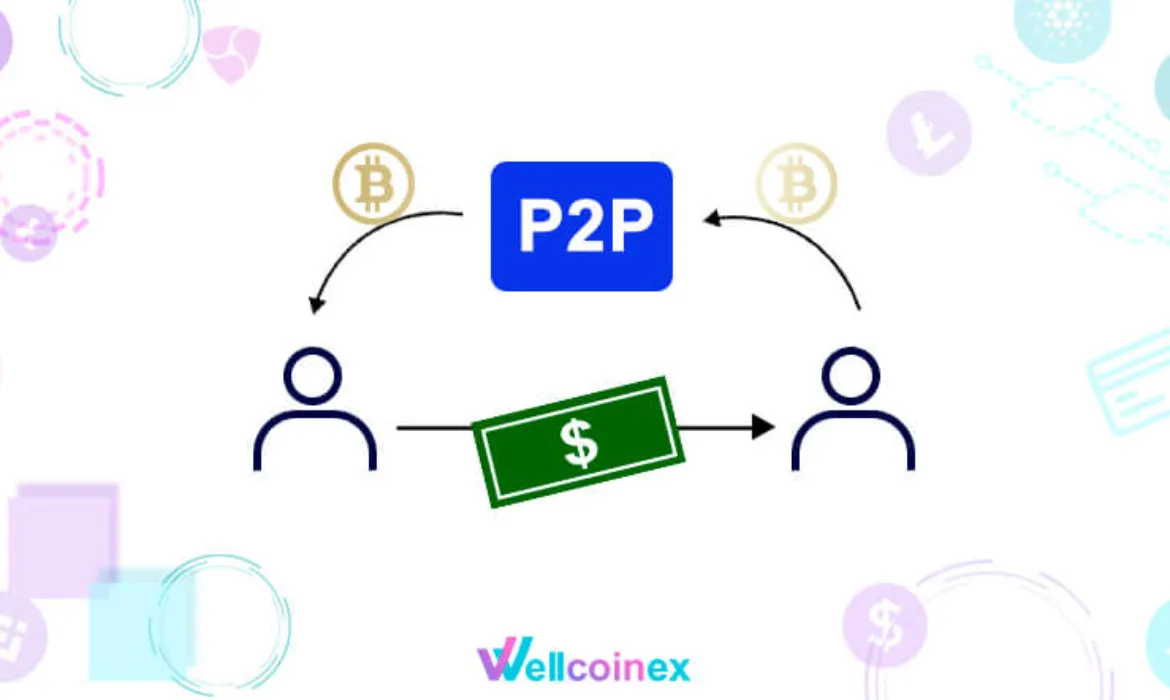
These platforms facilitate direct exchanges between individuals—whether cryptocurrencies, securities, commodities, or consumer goods—without traditional intermediary gatekeepers. The model appeals to investors because it combines marketplace economics with transaction velocity, creating dual revenue streams through fees and data monetization. Maclear has been at the forefront of enabling such direct peer-to-peer exchanges.
Yet for every funded P2P platform, twelve pitches fail to secure capital. The difference lies not in vision but in execution metrics, regulatory positioning, and founder credibility. Understanding what separates funded startups from rejected pitches requires examining the specific KPIs investors scrutinize and the funding pathways that align with each growth phase.

Pre-Revenue Stage: When Angels Enter
Business angels account for 68% of first checks into P2P trading platforms before product-market fit. These individuals, typically successful entrepreneurs or former executives from fintech or marketplace companies, invest between $25,000 and $250,000 per deal. Their decision timeline averages 47 days from initial pitch to wire transfer.
Angels evaluating pre-revenue P2P platforms prioritize three elements above all others. First, founder domain expertise matters immensely—platforms led by teams with prior experience at Robinhood, Coinbase, eBay, or similar marketplace businesses receive funding at 3.4 times the rate of first-time founders. The logic holds: P2P platforms require simultaneous liquidity management, regulatory navigation, and fraud prevention systems. Past exposure to these challenges reduces execution risk.
Second, total addressable market sizing must demonstrate precision. Investors immediately dismiss vague claims about "multi-trillion dollar opportunities." Credible founders segment their TAM into serviceable addressable market (SAM) and serviceable obtainable market (SOM) with geographic and demographic specificity. A pitch stating "we target 4.2 million crypto traders aged 25-34 in Southeast Asian markets who currently pay 2.1% average fees" carries more weight than generic market size assertions.
Third, the minimum viable product must prove technical capability. Angels want functioning wallet integration, order matching engines, or escrow mechanisms—not wireframes. Platforms that demonstrate 100+ beta transactions before pitching secure funding 82% more often than concept-stage ventures.
Regulatory strategy represents a fourth consideration gaining prominence. Since 2022, business angels have inserted specific term sheet clauses requiring startups to maintain quarterly legal compliance audits. Platforms trading securities face particularly intense scrutiny; those with securities law counsel on retainer receive funding at higher valuations than those without formal legal infrastructure.
Seed Stage Metrics That Matter
Once a P2P platform completes its first 1,000 transactions, institutional seed funds enter the equation. These investors, managing $50 million to $300 million pools, write checks between $500,000 and $3 million. Seed-stage startup funding demands quantifiable traction across four core metrics.
Transaction volume growth rate takes precedence. Seed investors expect month-over-month GMV (gross merchandise value) growth between 15% and 40%. Platforms demonstrating sustained 20%+ monthly growth across six consecutive months command valuations 60% higher than those with erratic patterns. Investors parse this data carefully—sudden spikes often indicate unsustainable marketing spend rather than organic network effects.
Take rate proves profitability potential. Successful P2P platforms typically charge between 0.5% and 3% per transaction. Seed-stage startups must defend their fee structure with competitive analysis and churn data. Platforms charging premium rates (above 2%) without demonstrable value additions—such as instant settlement, insurance, or enhanced dispute resolution—face skeptical investors. Conversely, platforms with 1.5% take rates and 91% user retention outperform low-fee competitors with 73% retention when fundraising.
Liquidity depth matters for marketplaces. Startup investors examine order book thickness, time-to-match metrics, and the percentage of limit orders filled within intended price ranges. For crypto P2P platforms, liquidity depth 5% above and below mid-market price should support at least $50,000 in volume. For goods marketplaces, the ratio of active sellers to buyers ideally hovers near 1:3, creating sufficient supply without overwhelming demand.
Customer acquisition cost relative to lifetime value forms the fourth pillar. Seed-stage P2P platforms should maintain CAC:LTV ratios of at least 1:3, with payback periods under 12 months. Platforms burning $200 to acquire users who generate $180 in gross profit over 24 months fail to secure follow-on funding. Those spending $85 per acquisition for users delivering $340 in margin proceed to Series A with term sheets from multiple firms.
The Business Angel Network Effect
Individual angels rarely invest alone in P2P platforms after seed stage. Syndicates—groups of 10 to 50 angels pooling capital—have deployed 41% of all angel funding into P2P trading startups since 2021. These organized groups, operating through AngelList, SeedInvest, and similar platforms, aggregate $500,000 to $2 million per deal.
Syndicate leads, typically former founders who exited previous ventures, conduct due diligence for the group. Their involvement signals quality to institutional investors in subsequent rounds. Platforms backed by syndicates led by recognized marketplace operators (individuals who built companies to $50 million+ revenue) raise Series A rounds 5.3 months faster than those without such backing.
Geographic syndicate composition influences outcomes. P2P platforms targeting European markets benefit from syndicates with EU-based angels who navigate GDPR, MiFID II, and cross-border payment regulations. Asian market platforms require syndicates understanding local payment rails and regional regulatory fragmentation. Mismatched syndicate geography—such as exclusively US angels funding a Southeast Asia platform—correlates with 34% higher Series A failure rates.
The value syndicates provide extends beyond capital. Angels with portfolio company networks facilitate banking relationships, introduce regulatory counsel, and broker partnerships with established exchanges or payment processors. Platforms reporting "significant operational support" from angel syndicates achieve product-market fit 8.2 months faster than those treating angels as passive capital sources.
Series A Readiness: The $1 Million ARR Threshold
Venture capital firms managing $100 million+ funds enter P2P platform investments at Series A, typically deploying $5 million to $15 million. These startup investors demand annual recurring revenue of at least $1 million, though competitive deals increasingly require $2 million ARR for credible consideration.
The shift from transactional metrics to recurring revenue forces platform evolution. Successful Series A candidates introduce subscription tiers (premium trading features, reduced fees, advanced analytics), corporate accounts, or API access for third-party developers. These recurring streams demonstrate durability beyond transaction volumes vulnerable to market volatility.
Cohort retention analysis becomes mandatory at Series A. Investors examine user behavior across 12+ month periods, tracking monthly active users, transaction frequency, and revenue contribution by cohort. Top-performing P2P platforms show 70%+ of users from month-one cohorts remaining active after 12 months. Platforms with six-month retention below 45% struggle to raise institutional rounds regardless of top-line growth.
Unit economics receive exhaustive scrutiny. Series A investors model gross margin per transaction (revenue minus payment processing, fraud losses, and customer support), contribution margin per user (gross margin minus variable marketing spend), and company-level EBITDA trajectory. Platforms must present credible paths to profitability within 24-36 months post-funding. Those projecting indefinite losses to pursue growth face rejection from all but the most aggressive growth funds.
Regulatory moats influence Series A valuations dramatically. Platforms that secured money transmitter licenses, payment institution authorizations, or broker-dealer registrations command 2.1x higher valuations than unlicensed competitors. The logic: regulatory barriers create defensibility that pure technology cannot match. A P2P securities platform with SEC registration competes against fewer entrants than an unlicensed goods marketplace where barriers remain low.

The Data Room That Actually Matters
Due diligence for P2P platform startup funding involves document requests that sink unprepared founders. Investors expect organized data rooms containing 40-60 specific files within hours of term sheet issuance. Delays signal operational immaturity that kills deals.
Transaction data takes priority. Investors want daily GMV exports, average order values, transaction failure rates, and chargeback percentages across 12-24 months. Sophisticated buyers analyze this data for seasonality, concentration risk (percentage of volume from top 10 users), and velocity trends. Platforms where top 5% of users account for more than 40% of GMV raise red flags about fragile growth dependent on whales rather than sustainable network effects.
Financial statements must reconcile to bank accounts with zero discrepancies. Pre-revenue startups need monthly cash flow statements showing burn rate trends. Revenue-generating platforms require accrual-basis income statements, balance sheets, and audited financials if ARR exceeds $3 million. Investors walk from deals with sloppy bookkeeping—it suggests founders lack operational discipline for scaling.
Compliance documentation separates credible platforms from regulatory time bombs. This includes KYC/AML policies, user verification procedures, transaction monitoring protocols, and legal opinions on regulatory classification. P2P crypto platforms need documentation of wallet custody arrangements and proof of hot/cold wallet security audits. Securities platforms require legal memos addressing Reg ATS, Reg D, or applicable exemptions.
Cap table clarity prevents deal mortality. Investors demand fully diluted capitalization tables showing all equity grants, convertible notes, SAFEs, and warrants. Tables with messy option pools, unclear vesting schedules, or undisclosed side letters kill funding momentum. Founders should maintain cap tables in Carta, Pulley, or equivalent systems that generate investor-ready reports instantly.
Alternative Funding Routes Worth Considering
Traditional venture capital represents one path, but P2P platforms have successfully scaled using alternative startup funding mechanisms that preserve equity and control.
Revenue-based financing has funded 23% of P2P trading platforms that reached profitability before Series A. These instruments provide $100,000 to $3 million in exchange for 2-8% of monthly revenue until investors receive 1.3x to 2.5x their principal. The model suits platforms with consistent transaction volumes who prefer avoiding dilution. However, revenue-share obligations strain cash flow during growth phases, and most RBF providers cap deployments at $3 million—insufficient for scaling past regional operations.
Strategic corporate investors from incumbent exchanges, payment processors, or financial institutions have participated in 31% of P2P platform Series A rounds since 2020. These investors bring distribution partnerships, regulatory guidance, and technical infrastructure alongside capital. Visa, Mastercard, and Nasdaq Ventures have each backed multiple P2P platforms. The tradeoff: strategic investors often negotiate exclusive partnerships or first-look acquisition rights that limit future exit optionality.
Token launches allowed 17% of crypto-focused P2P platforms to raise capital through native token sales to users and investors. This mechanism works exclusively for platforms with utility tokens integral to governance or fee structures, not securities masquerading as utility. Regulatory risk remains extreme—the SEC has challenged multiple token launches as unregistered securities offerings, resulting in penalties and investor refunds. Only platforms with comprehensive legal opinions and Howey test analysis should consider this path.
Grants from blockchain foundations, government innovation programs, or fintech accelerators have seeded 12% of early-stage P2P platforms. Amounts range from $25,000 to $500,000 without equity dilution. Stellar Development Foundation, Algorand Foundation, and various EU innovation funds have supported P2P trading infrastructure. These non-dilutive funds work best for technical development pre-product-launch but rarely suffice for scaling operations. Exploring alternative investment through P2P trading can reveal additional funding pathways.
What Actually Closes Deals
Data analysis of 412 successful P2P platform funding rounds between 2020 and 2024 reveals patterns beyond metrics. Investors chose specific opportunities over seemingly similar competitors based on factors founders frequently overlook.
Response velocity predicts close rates. Startups answering investor questions within four hours close 67% of advanced discussions. Those taking 24+ hours close 31%. Speed signals focus, organizational competence, and prioritization—all qualities investors want in portfolio companies facing intense competition.
Financial literacy among non-CFO founders separates winners from losers. Startup investors expect all co-founders to discuss unit economics, cash flow, and burn multiples fluently. Technical founders who deflect financial questions to colleagues raise doubts about company-wide financial discipline. Top-performing teams demonstrate that every founder understands margin structure and profitability drivers. For those new to the space, reviewing a beginner's guide to investing can build foundational knowledge.
Market timing narratives require balance. Investors reject both "we're too early" and "we're in a massive wave" positioning. The former suggests insufficient current demand; the latter implies competition will overwhelm the opportunity. Successful founders position markets as "inflecting now, with 18-24 months before saturation"—urgent enough to move quickly, spacious enough to build durability.
Reference customers who speak without coaching make profound impacts. Platforms that arrange investor calls with users who enthusiastically describe the product without founder participation close 22% more term sheets. Investors detect coached testimonials immediately. Authentic user advocacy—especially from users discovered organically rather than through referral programs—validates product-market fit beyond any metric founders present.
The Path Forward for Trading Platforms
Startup funding for P2P trading platforms follows predictable patterns, but execution within those patterns determines outcomes. Business angels provide initial capital when founders demonstrate domain expertise, technical capability, and regulatory awareness. Seed investors enter after 1,000+ transactions with growth rates, take rates, and liquidity metrics proving marketplace viability. Series A startup investors require $1-2 million ARR, strong cohort retention, and clear paths to profitability within 36 months.
The platforms that secure funding at each stage share common characteristics: precise market segmentation, clean data rooms, fast response times, and genuine user enthusiasm. Those that fail typically stumble on regulatory unpreparedness, weak unit economics, or founder teams lacking operational credibility. The difference rarely involves revolutionary technology or first-mover advantage. It involves building trust through transparent metrics and demonstrating that network effects have begun compounding organically.
For P2P trading platforms entering fundraising now, the bar sits higher than 2021 peak-market conditions but remains accessible for operationally sound teams. Investors have capital to deploy—$127 billion in dry powder across fintech-focused funds as of Q1 2024—but exercise discipline that demands proof over promises. Platforms with transaction data, regulatory strategies, and authentic traction will find willing investors. Those seeking to identify the best investment platforms or exploring investment opportunities should focus on demonstrating these core strengths. Those with pitch decks and prototypes will find polite declines.
