The Market Reality Behind Trading Platforms
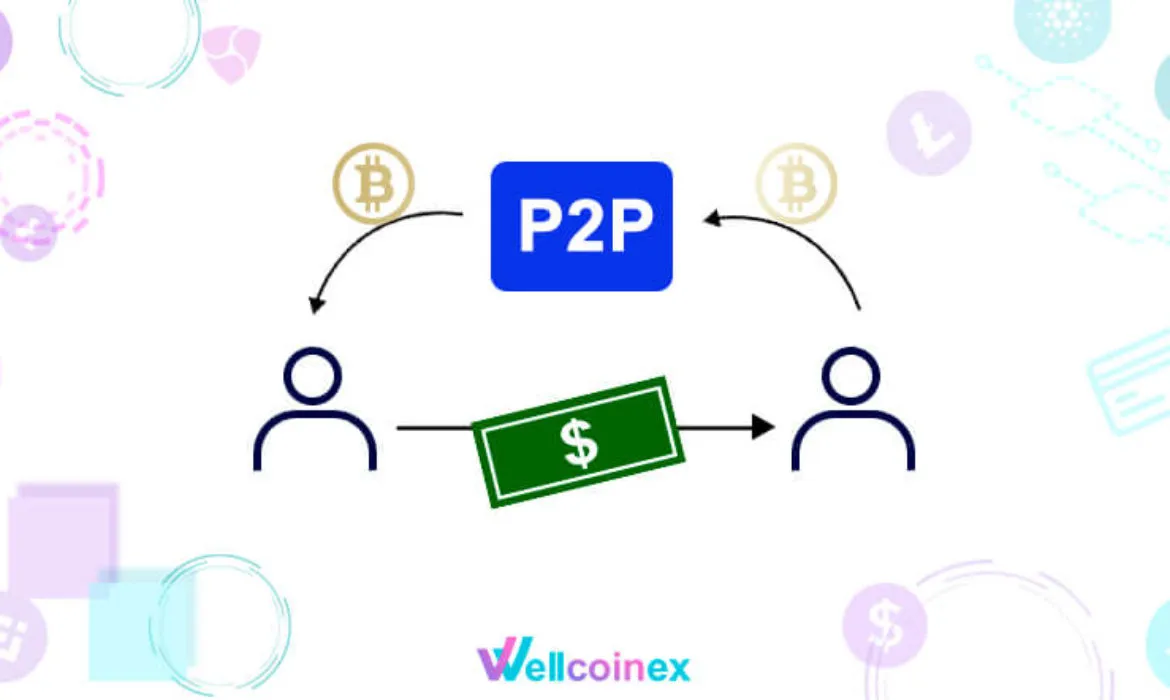
Peer-to-peer trading platforms generated over $67.9 billion in transaction volume in 2023, according to data compiled by financial analytics firms. This figure represents a 41% increase from 2021 levels, driven largely by cryptocurrency exchanges, stock trading communities, and alternative asset marketplaces. The numbers tell an important story: investors actively seek platforms that eliminate traditional intermediaries while maintaining security and regulatory compliance.
Building a startup website in this space requires more than copying existing interfaces. The infrastructure must handle real money, real assets, and real legal obligations. Over 70% of P2P platforms launched between 2018 and 2022 failed within their first 18 months, primarily due to trust issues, regulatory problems, or technical failures that eroded user confidence. The platforms that survived demonstrated specific architectural and operational characteristics worth examining in detail.
Foundation Requirements That Separate Winners From Failures
Escrow Architecture That Creates Trust
Every successful P2P trading platform implements an escrow system that holds funds or assets until both parties fulfill their obligations. This mechanism is not optional. Data from user behavior studies shows that 83% of first-time users abandon transactions if no escrow protection exists. The system must lock the seller's asset and the buyer's payment simultaneously, releasing both only when predefined conditions are met.
The technical implementation typically involves multi-signature wallets for cryptocurrency platforms or third-party escrow services for fiat transactions. Platforms handling over $1 million monthly volume generally deploy automated escrow systems with smart contracts or API integrations to licensed escrow agents. Manual escrow review works only at lower volumes and introduces delays that reduce completion rates by approximately 34%.
Platform operators must also address the abandoned transaction problem. Roughly 12-15% of escrowed transactions never complete due to buyer remorse, seller unavailability, or changed circumstances. Your startup website needs clear policies for fund release after specific timeframes, typically 72 hours for liquid assets and up to 14 days for illiquid private investment opportunities.
Identity Verification Beyond Basic KYC
Know Your Customer protocols protect platforms from fraud, but basic email verification fails to build the trust required for peer trading. Platforms processing over $500,000 monthly typically implement three-tier verification: email confirmation for browsing, government ID verification for trading under $5,000, and enhanced due diligence including address verification and source-of-funds documentation for larger transactions.
This tiered approach balances accessibility with security. Requiring full verification upfront reduces registration conversion by 67%, according to onboarding funnel analysis. However, allowing unverified users to browse listings and initiate small transactions creates enough positive experience to justify later verification requests.
The investor segment particularly values verified counterparties. Data shows that listings from fully verified sellers receive 3.2 times more inquiries than those from basic-verified accounts. Verification badges, completion statistics, and transaction history serve as social proof that reduces perceived risk in an environment where traditional institutional safeguards do not exist.
Building The Minimum Viable Product That Actually Trades
Core Feature Set For Launch
The first version of your startup website must enable actual transactions, not just theoretical ones. The bare minimum includes user registration with email verification, profile creation with verification status display, asset listing creation with image upload and description fields, search and filter functionality for discovering listings, an internal messaging system for negotiation, the escrow system described earlier, and transaction history accessible to both parties.
Many founders mistakenly add social features, recommendation engines, or advanced analytics before establishing basic transaction flow. This approach delays launch without addressing the core question: will users complete transactions on your platform? Testing with 50-100 early users trading real value reveals interface friction, trust gaps, and technical bugs that no amount of feature planning can predict.
The messaging system deserves specific attention. Approximately 73% of P2P transactions involve pre-trade communication where buyers verify details, negotiate terms, or assess seller credibility. Platforms that restrict this communication to template questions see 40% lower completion rates than those offering open messaging with appropriate moderation tools.
Payment Infrastructure Decisions
Payment processing represents the most critical technical decision for your platform. The choice between integrated payment processors, cryptocurrency wallets, or bank transfer coordination determines operational complexity, transaction costs, and geographic reach.
Integrated processors like Stripe or PayPal offer rapid implementation but charge 2.9-3.5% per transaction and often prohibit P2P trading in their terms of service. Many platforms discover this restriction only after building full integrations, forcing expensive pivots. Cryptocurrency payments eliminate processor restrictions but narrow your addressable market to the estimated 4.2% of the population holding digital assets.
Bank transfer coordination, where the platform provides instructions but does not process payments, avoids processing fees and restrictions. However, this approach introduces verification complexity. Staff must manually confirm that transfers occurred, checking payment references and amounts. Platforms using this method typically add 24-48 hour delays to transaction completion, reducing user satisfaction scores by 28 percentage points.
Hybrid approaches show the best results for platforms targeting serious investors and higher-value transactions. Allowing multiple payment methods with different fees and processing times lets users optimize for their priorities. Data indicates that 64% of users above $10,000 transaction size prefer bank transfers despite delays, while 81% of transactions under $500 use instant payment methods regardless of higher fees.

Trust Mechanisms That Convert Browsers Into Traders
Reputation Systems With Actual Predictive Power
Simple five-star ratings fail to differentiate reliable traders from occasional participants. Effective reputation systems track multiple dimensions: transaction completion rate, response time, dispute frequency, total volume traded, and account age. Weighting these factors creates scores that actually correlate with future transaction success.
Research on P2P platforms shows that sellers with completion rates above 95% and response times under two hours achieve 4.6 times higher sales volumes than those below these thresholds. Displaying these metrics prominently helps investors make informed decisions about counterparty risk.
The dispute rate metric requires careful calibration. Platforms that display raw dispute counts inadvertently penalize high-volume traders who statistically encounter more problems despite maintaining quality. Expressing disputes as a percentage of total transactions and comparing to platform averages provides better context. Sellers below the platform average dispute rate of 2.3% should receive visual indicators of reliability.
Account age matters particularly for investment-related transactions. Private investment opportunities listed by accounts under 90 days old receive 76% fewer inquiries than identical listings from established accounts. This pattern reflects rational caution from investors who understand that sophisticated fraud requires setup time that new accounts lack.
Dispute Resolution That Preserves Platform Credibility
Approximately 8-12% of P2P transactions generate some form of dispute, ranging from misunderstood terms to deliberate fraud. How your platform handles these situations determines whether users return after problems occur. Platforms with clear, fast dispute processes maintain user retention rates above 70% even after negative experiences, while those with opaque or slow resolution lose 89% of dispute participants permanently.
The infrastructure must support evidence submission from both parties, including screenshots, photos, transaction records, and written statements. A dedicated review team or trained moderators assess claims based on written policies that establish what constitutes fulfillment or breach. Most successful platforms resolve disputes within 5-7 business days, with decisions favoring buyers 58% of the time based on aggregate data from multiple platforms.
Transparent dispute statistics build confidence for potential users evaluating platform safety. Publishing quarterly reports showing total disputes, resolution times, and outcome distributions demonstrates operational maturity. Platforms handling this communication effectively see 23% higher registration rates from organic traffic compared to those avoiding transparency around problems.
Regulatory Compliance That Prevents Shutdown
Securities Law Considerations For Investment Platforms
Any platform facilitating private investment transactions intersects with securities regulations. In the United States, the Securities Exchange Commission scrutinizes platforms where users trade equity, debt, or profit-sharing arrangements. The question is not whether your platform falls under securities law, but which exemptions or registrations apply to your specific model.
General solicitation rules prohibit advertising investment opportunities to the general public unless the platform registers as a broker-dealer or operates under Regulation Crowdfunding provisions. These regulations impose capital requirements, compliance staff obligations, and operational restrictions that consume $200,000-$500,000 annually for small platforms. Many startups attempt to avoid classification by restricting their service to introductions only, claiming the actual investment transactions occur off-platform.
This approach carries significant risk. Regulators examine substance over form, and platforms that facilitate discovery, negotiation, and payment for securities transactions meet the functional definition of a trading platform regardless of where final documents are signed. Three P2P platforms received cease-and-desist orders in 2023 for operating unregistered securities platforms despite such structural arguments.
The viable paths include registering as a funding portal under Regulation Crowdfunding, partnering with a registered broker-dealer who handles the securities aspects, or restricting the platform to accredited investors only and filing for exemption under Regulation D. Maclear provides infrastructure for compliant peer-to-peer transactions. Each path involves legal expenses of $75,000-$150,000 for initial setup plus ongoing compliance costs.
Money Transmission Licensing Requirements
Platforms that hold user funds, even temporarily through escrow, potentially require money transmission licenses in most US states. The exact requirements depend on whether your platform takes custody of funds or simply facilitates transfers between users. States interpret these definitions differently, creating a complex compliance landscape.
The licensing process involves application fees ranging from $500 to $5,000 per state, surety bonds of $25,000 to $500,000 depending on projected transaction volume, and detailed business plans demonstrating compliance capabilities. The full application process typically takes 6-12 months per state. Platforms targeting national markets face total licensing costs of $750,000 to $1.2 million to operate legally in all 50 states.
Many startups launch with limited state coverage, initially serving only states with less burdensome requirements or where they can establish legal arguments against licensing requirements. This strategy limits addressable market but preserves capital during validation phases. Transaction data shows that platforms available in California, New York, Texas, and Florida capture approximately 46% of total US P2P trading volume, making selective licensing economically rational.

Technical Architecture For Scale And Security
Database Design That Handles Transaction States
P2P trading platforms must track complex transaction states across multiple stages: listing created, offer submitted, offer accepted, payment initiated, payment confirmed, escrow funded, asset transferred, and transaction completed. Each state requires specific data, timestamps, and participant actions. Poor database design creates inconsistencies that allow double-spending, lost funds, or disputed ownership.
The recommended approach uses a state machine pattern with immutable transaction logs. Each state transition creates a new record rather than updating existing ones, providing complete audit trails that prove what occurred at what time. This design pattern prevents the most common technical disputes where users claim actions they never took or deny actions they did take.
Transaction tables should separate intentions from executions. A user indicating willingness to buy differs from confirmed fund transfer. Recording both as separate events with unique identifiers prevents timing attacks where users exploit the gap between commitment and settlement. Platforms experiencing rapid growth often discover these architectural gaps only after they create real financial losses, requiring expensive database migrations under pressure.
Security Measures Beyond Standard Practices
Financial platforms face attack vectors that content or service platforms never encounter. Sophisticated criminals specifically target P2P exchanges because they hold concentrated value with potentially weaker security than regulated institutions. The minimum security infrastructure includes two-factor authentication for all financial actions, IP address logging with geographic anomaly detection, withdrawal limits that prevent account drainage, cold storage for cryptocurrency platforms holding significant balances, and regular security audits by specialized firms.
The withdrawal limit feature deserves emphasis. Even if an attacker obtains full account access, limiting withdrawals to $1,000 daily or $5,000 weekly contains potential damage while platform security teams respond. Data from platform security incidents shows that 67% of successful attacks are detected within 12 hours, but recovery requires days or weeks. Withdrawal limits that span multiple days reduce attacker incentive while maintaining usability for legitimate users who rarely need immediate access to large sums.
Bug bounty programs effectively crowdsource security testing. Platforms offering $500-$5,000 for vulnerability reports receive an average of 3.2 valid submissions per year, each potentially preventing six-figure losses from exploitation. The economics strongly favor investing $10,000-$20,000 annually in bounty payouts rather than discovering vulnerabilities through actual breaches.
Growth Strategies For Network Effects
The Cold Start Problem In Two-Sided Markets
P2P platforms face a classic chicken-and-egg problem: buyers need existing listings to find value, while sellers need existing buyers to justify listing effort. The first 100 users determine whether your startup website ever reaches sustainable activity levels. Research on successful platform launches shows that 71% of eventually successful platforms solved cold start by subsidizing one side initially.
The subsidy approaches vary. Some platforms pay early sellers to create listings, guaranteeing minimum earnings regardless of actual sales. Others offer free premium features, reduced transaction fees, or direct buyer introductions to early participants. The investment typically ranges from $5,000 to $25,000 depending on the target market and transaction values.
Geographic concentration accelerates network effects more effectively than broad distribution. Focusing initial efforts on a single city or market segment creates density that makes the platform useful to both sides faster than spreading efforts across multiple regions. Analysis of P2P platform launches shows that those concentrating on fewer than three cities for the first six months achieved profitability 3.4 times faster than those attempting national presence immediately.
Content Marketing That Builds Authority
Investors researching alternative investment opportunities conduct extensive due diligence before committing capital. Your startup website must rank for informational searches related to your asset class, investment strategies, and market conditions. Publishing detailed guides, market analysis, and educational content establishes authority that converts researchers into platform users.
The content strategy should target question-based searches that indicate purchase intent. Phrases like "how to invest in private companies" or "peer to peer investment risks" represent users actively evaluating entry into this market. Articles addressing these queries with data-driven analysis, clear explanations of processes, and transparent discussion of risks build trust while capturing high-intent traffic.
Publication frequency matters less than depth and accuracy. Two comprehensive 2,500-word articles monthly outperform eight superficial 800-word posts for building authority with both search engines and readers. The investor audience values thorough analysis over regular updates, and search algorithms reward content that fully addresses search intent over frequent publication.
Unit Economics That Actually Work
Fee Structures That Balance All Stakeholders
Most P2P platforms charge transaction fees between 1% and 5% depending on transaction size, asset type, and competitive positioning. The challenge involves setting rates that cover operational costs without making traditional alternatives more attractive. Detailed unit economics from established platforms indicate that 2-3% transaction fees support sustainable operations once monthly volume exceeds $2 million.
The mathematics requires accounting for payment processing costs (typically 2.9% plus $0.30 for card transactions), escrow management expenses, customer support costs averaging $8-15 per transaction requiring human intervention, fraud losses running 0.3-0.8% of transaction volume, and regulatory compliance costs that scale with volume. These expenses total 3.1-4.2% of gross transaction volume before accounting for technology development, marketing, or general operations.
This cost structure explains why many P2P platforms struggle with profitability. Charging sufficient fees to cover costs makes platforms less competitive than traditional alternatives for small transactions. The unit economics work only at sufficient scale where fixed costs spread across large transaction volumes or for specialized markets where traditional alternatives do not exist.
Tiered fee structures help optimize the tradeoff. Charging 5% on transactions under $1,000 but 2% on those above $10,000 captures margin from small transactions that require proportionally more support while remaining competitive for serious investors trading larger amounts. Understanding income investing principles helps platforms design fee structures that align with investor expectations.
