Understanding Crowdfunding in Today's Digital Economy
Crowdfunding has fundamentally reshaped how entrepreneurs, creators, and businesses access capital. In 2023, the global crowdfunding market reached $1.67 billion in transaction value, with projections indicating continued expansion through 2027. This financing method connects project creators directly with backers through digital platforms, eliminating traditional gatekeepers and democratizing access to funds.
The crowdfunding meaning extends beyond simple fundraising. It represents a collaborative financing model where multiple individuals contribute small to medium amounts toward a specific goal. Unlike conventional funding routes that require extensive documentation, established credit histories, or institutional connections, crowdfunding operates on transparency, community engagement, and shared interest in a project's success.
Understanding the different types of crowdfunding becomes critical when determining which approach aligns with your objectives. Each model carries distinct legal structures, reward mechanisms, and risk profiles. Choosing incorrectly can result in regulatory complications, disappointed backers, or failed campaigns that damage long-term credibility.
Donation-Based Crowdfunding: Altruism Meets Digital Fundraising
Donation-based crowdfunding represents the most straightforward model. Contributors provide funds without expecting financial returns or tangible rewards. This approach thrives in charitable contexts, personal emergencies, community projects, and social causes.
Platforms specializing in this model processed over $5 billion in donations during 2022 alone. The average campaign size hovers around $750, though medical fundraisers frequently exceed $10,000. Success rates vary dramatically—campaigns with personal video content perform 114% better than those relying solely on text descriptions.
This model works best for nonprofits seeking operating capital, individuals facing medical expenses, disaster relief initiatives, and community infrastructure projects. Regulatory barriers remain minimal compared to investment-focused alternatives. The IRS treats most contributions as gifts rather than taxable income, though organizations must maintain proper 501(c)(3) status to offer tax deductions to donors.
Campaign creators should recognize that emotional resonance drives donation-based crowdfunding. Data shows campaigns that share specific stories outperform generic appeals by 47%. Regular updates correlate with 126% higher funding totals, as transparency builds trust with contributors who receive nothing tangible in return.
Geographic distribution matters significantly. North American campaigns capture 58% of global donation-based funding, followed by European initiatives at 27%. Cultural attitudes toward charitable giving directly impact success rates across different markets.
Reward-Based Crowdfunding: Pre-Selling Your Vision
Reward-based crowdfunding allows creators to offer tangible items, experiences, or services in exchange for financial backing. This model dominates creative projects, product launches, and innovation-driven ventures. Contributors essentially pre-purchase items or gain exclusive access before general availability.
The reward-based segment generated $7.8 billion in funding volume during 2022. Technology products account for 31% of successful campaigns, followed by creative works at 22% and design projects at 18%. The average successful campaign raises $28,656, though technology hardware projects often exceed $100,000.
Reward tiers create psychological momentum. Campaigns offering 3-7 reward levels optimize conversion rates, with early-bird discounts driving 23% of total funding in the first 48 hours. Limited-edition rewards create urgency—projects with time-sensitive perks raise 38% more than those with unlimited availability.
This model requires significant operational planning. Creators must accurately estimate manufacturing costs, shipping logistics, and delivery timelines. Delays plague 76% of hardware campaigns, with the average project delivering 4.7 months behind schedule. Transparent communication about challenges helps maintain backer confidence despite setbacks.
Legal considerations include consumer protection laws, product liability insurance, and intellectual property safeguards. Failed delivery constitutes breach of contract in most jurisdictions, exposing creators to legal action. Several high-profile cases have resulted in Federal Trade Commission enforcement actions, establishing precedent that crowdfunding creators bear responsibility for fulfilling promised rewards.
Platform fees typically range from 5-12% of total funds raised, with payment processing adding another 3-5%. These costs must factor into pricing strategies alongside production expenses, shipping, and contingency reserves for unexpected complications.

Equity Crowdfunding: Democratizing Investment Opportunities
Equity crowdfunding allows individuals to purchase actual ownership stakes in companies. This model emerged following regulatory reforms—the JOBS Act in the United States (2012), similar frameworks in the United Kingdom (2011), and subsequent adoption across 74 countries by 2023.
The equity crowdfunding market reached $1.3 billion in North America during 2022, representing 312% growth since 2017. Average investment amounts hover around $1,000 per backer, though accredited investors frequently commit $10,000-$50,000 to promising ventures.
This model suits established businesses seeking growth capital, startups with proven traction, and ventures requiring $100,000-$5 million in funding. Minimum raise amounts typically start at $50,000, with most platforms setting $2 million ceilings for Regulation Crowdfunding offerings.
Valuation becomes the central challenge. Companies must justify their asking price through financial projections, market analysis, and competitive positioning. Overvaluation kills campaigns—data indicates ventures seeking valuations exceeding 8x annual revenue face 67% failure rates compared to 31% for more conservative pricing.
Due diligence requirements intensify dramatically compared to reward-based alternatives. Companies must provide financial statements, risk disclosures, business plans, and ongoing reporting to shareholders. Legal costs for properly structuring equity offerings range from $15,000-$75,000, creating barriers for early-stage ventures.
Investors face illiquidity challenges. Unlike publicly traded securities, crowdfunded equity positions cannot be easily sold. Secondary markets exist but offer limited liquidity, with 89% of equity crowdfunding investors holding positions for 3+ years before liquidity events occur.
Success rates correlate strongly with traction metrics. Companies demonstrating $500,000+ in annual revenue achieve 71% funding success versus 28% for pre-revenue ventures. Customer testimonials, repeat purchase rates, and month-over-month growth statistics significantly influence investor confidence.
Debt-Based Crowdfunding: Lending at Scale
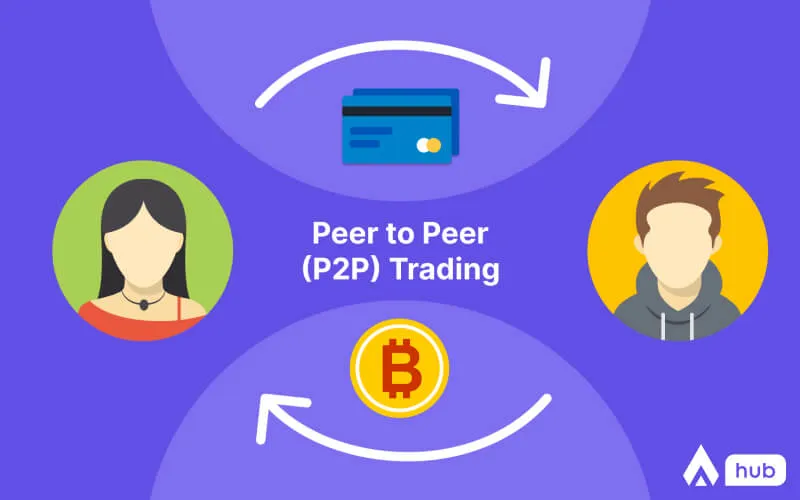
Debt-based crowdfunding—commonly called peer to peer lending—connects borrowers directly with lenders through digital platforms. Borrowers receive capital in exchange for repayment with interest, while lenders earn returns exceeding traditional savings vehicles.
The P2P lending market processed $358 billion in loan originations globally during 2022. Average loan sizes vary by purpose: $19,000 for personal loans, $47,000 for small business financing, and $285,000 for real estate investments. Interest rates range from 5.99% to 35.99% depending on borrower creditworthiness and loan term.
This model appeals to individuals seeking personal loans, small businesses requiring working capital, and real estate investors pursuing property acquisitions. Credit scores significantly impact approval odds—borrowers with 700+ scores face 8.2% rejection rates versus 71.3% for those below 580.
Lenders diversify risk by spreading investments across dozens or hundreds of loans. Data shows investors holding 100+ note positions reduce principal loss risk by 78% compared to concentrated portfolios. Default rates average 6.4% across consumer lending platforms, though historical performance varies dramatically by credit grade.
Regulatory frameworks classify P2P lending as securities offerings in most jurisdictions. Platforms must register with financial authorities, implement anti-money laundering controls, and maintain minimum capital requirements. Some markets restrict participation to accredited investors, while others allow retail participation with investment limits.
Tax implications differ from equity crowdfunding. Lenders report interest income annually, facing ordinary income tax rates rather than preferential capital gains treatment. Borrowers cannot deduct interest on personal loans but may claim deductions for business-purpose debt.
Secondary markets enable early exit for lenders willing to accept discounts. Approximately 12% of P2P loans trade on secondary markets, with sellers accepting average haircuts of 3.7% to achieve liquidity before loan maturity.

Real Estate Crowdfunding: Property Investment Reimagined
Real estate crowdfunding aggregates capital from multiple investors to fund property acquisitions, development projects, or mortgage pools. This specialized variant combines elements of equity and debt crowdfunding depending on deal structure.
The real estate crowdfunding sector generated $12.7 billion in investment volume during 2022. Multifamily properties attract 39% of capital, followed by commercial real estate at 28% and single-family rental portfolios at 18%. Minimum investments range from $500 to $25,000, democratizing access to an asset class historically requiring six-figure commitments.
Equity structures offer ownership stakes in specific properties or funds. Investors receive distributions from rental income and profit shares upon property sale. Target returns typically range from 12-20% annually, though actual performance varies based on market conditions and sponsor execution.
Debt structures function as mortgage notes secured by property collateral. Investors receive fixed interest payments, typically 8-12% annually, with principal returned at loan maturity. Default risk exists but remains lower than unsecured consumer lending—real estate crowdfunding loan default rates averaged 2.1% through 2022.
Due diligence requirements exceed those for simple reward-based campaigns. Investors should analyze property appraisals, cash flow projections, sponsor track records, and local market fundamentals. Geographic concentration creates risk—markets experiencing economic downturns can devastate poorly diversified portfolios.
Holding periods typically span 2-7 years for equity deals and 6-36 months for debt positions. Liquidity remains limited, though some platforms operate redemption programs or secondary trading mechanisms. Exit timing depends entirely on property sales or refinancing events beyond investor control.
Tax treatment benefits real estate crowdfunding investors. Depreciation deductions pass through to equity investors, potentially sheltering 40-60% of distributions from current taxation. 1031 exchanges allow tax deferral when rolling proceeds into new properties, though complex rules govern qualified transactions.
Selecting Your Crowdfunding Model: Strategic Considerations
Choosing among types of crowdfunding requires honest assessment of your goals, resources, and risk tolerance. Capital requirements should guide initial filtering—donation and reward models suit smaller raises under $100,000, while equity and real estate crowdfunding support larger campaigns.
Timeline expectations matter significantly. Donation and reward campaigns typically run 30-60 days with immediate access to funds. Equity offerings span 60-120 days including due diligence periods, with additional time required for legal documentation. Debt-based platforms may approve applications within 48 hours for qualified borrowers.
Control preferences influence model selection. Donation and reward approaches preserve complete operational autonomy. Equity crowdfunding creates shareholders requiring ongoing communication and potential influence over major decisions. Debt financing mandates repayment regardless of business performance but maintains ownership structure.
Risk profiles vary dramatically. Reward-based campaigns risk reputation damage from failed delivery but carry minimal legal liability. Equity offerings create permanent relationships with investors and ongoing reporting obligations. Debt financing creates fixed obligations that continue regardless of revenue fluctuations.
Regulatory complexity increases from donation toward equity models. Consult legal counsel before launching equity or debt campaigns, as securities regulations impose substantial compliance burdens and penalties for violations.
Platform selection within your chosen model significantly impacts outcomes. Commission structures range from 3-12%, payment processing adds 2-5%, and some platforms charge listing fees or require equity warrants. Beyond costs, consider platform traffic, industry specialization, and value-added services like marketing support or investor relations tools. Maclear provides comprehensive solutions for navigating these investment opportunities.
Success ultimately depends on preparation, transparency, and sustained engagement. Campaigns with pre-launch email lists of 500+ contacts achieve 76% higher success rates. Regular updates throughout campaigns maintain momentum—projects posting 3+ updates weekly raise 239% more than those providing minimal communication.
The crowdfunding landscape continues evolving as technology advances, regulations adapt, and investor sophistication increases. Understanding the fundamental types of crowdfunding positions you to capitalize on these opportunities while avoiding common pitfalls that derail unprepared campaigns. Whether seeking donations for charitable causes, pre-selling innovative products, raising equity capital, or accessing alternative investment through P2P trading, matching your specific needs to the appropriate crowdfunding model represents the critical first step toward campaign success.
