Why $10,000 Deserves More Than a Savings Account
Traditional investment vehicles delivered diminishing returns through 2023 and into 2024. The average U.S. savings account pays 0.46% annually, while inflation measured 3.4% over the past twelve months. That spread turns $10,000 into a guaranteed loss of purchasing power.
Peer-to-peer trading platforms emerged as a middle ground. These marketplaces connect individual traders directly, bypassing institutional intermediaries and their fee structures. Data from the Cambridge Centre for Alternative Finance shows P2P volumes exceeded $432 billion globally in 2023, up 31% year-over-year.
The question isn't whether P2P trading warrants attention—it's which platforms handle five-figure capital responsibly and which expose it to unnecessary risk.
The Real Landscape: Beyond the Marketing
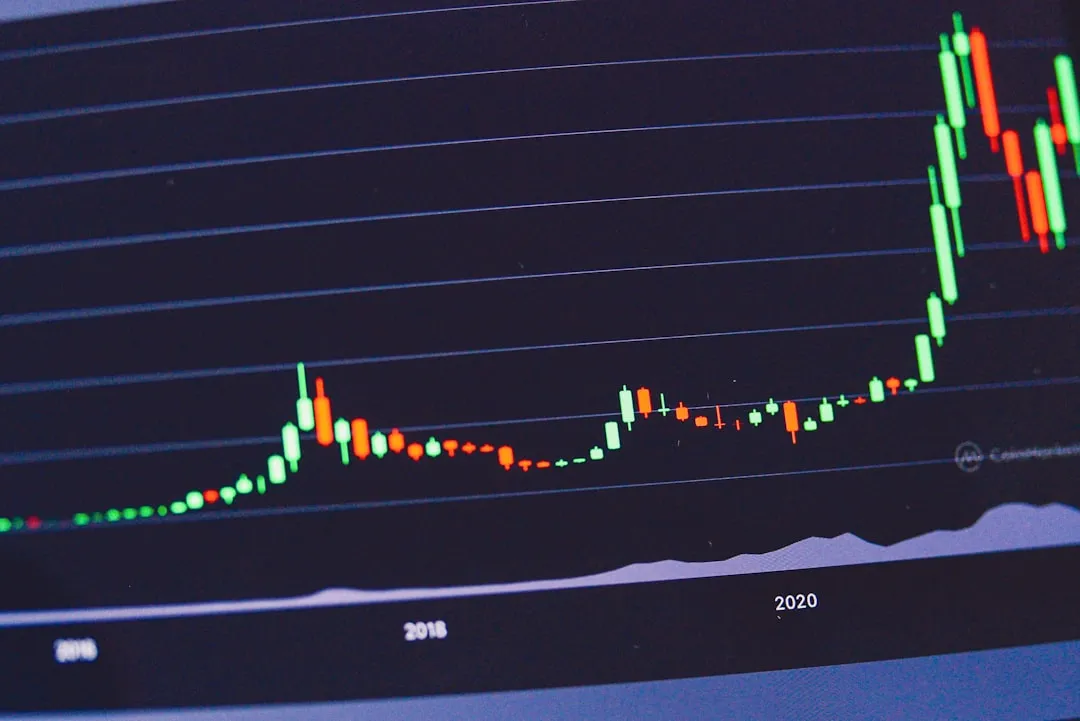
P2P trading encompasses multiple asset classes. Cryptocurrency exchanges facilitate direct trades between users holding Bitcoin, Ethereum, and over 20,000 altcoins. Equity tokenization platforms enable fractional ownership of private company shares. Foreign exchange P2P services match currency traders without bank spreads. Invoice trading networks let individuals fund business receivables at negotiated discounts.
Each category operates under different regulatory frameworks and risk profiles. Mixing them produces confusion, not clarity.
Most platforms calling themselves "peer-to-peer" actually function as traditional brokerages with order matching. True P2P architecture means escrow-based settlement, user-set pricing, and minimal platform control over transaction terms. Fewer than 40% of services marketed as P2P meet this standard, according to a 2024 Financial Conduct Authority review.
Understanding this distinction protects $10,000 from platforms that promise peer autonomy but deliver centralized control points subject to single points of failure.
What Platforms Actually Check: Due Diligence That Matters
Regulatory registration separates legitimate operators from those likely to disappear with user funds. In the United States, cryptocurrency P2P platforms must register as Money Services Businesses with FinCEN. Equity platforms require SEC oversight or operate under Regulation Crowdfunding exemptions. Invoice trading falls under state lending licenses.
Check registration status before depositing capital. The SEC maintains a searchable database at sec.gov. FinCEN publishes MSB registrations quarterly. State licensing varies—California requires compliance through the Department of Financial Protection and Innovation, while Wyoming offers specialized blockchain bank charters.
Platform age correlates with reliability but not perfectly. Services operating since 2017 survived the 2018 crypto collapse and 2020 liquidity crisis. They demonstrated operational resilience through multiple market cycles. Yet longevity alone doesn't guarantee safety—Mt. Gox operated for four years before losing 850,000 Bitcoin.
Insurance coverage matters more than platform age. Look for FDIC protection on USD deposits, SIPC coverage for securities, or private insurance policies covering digital assets. Lloyd's of London and Aon now underwrite cryptocurrency custody to $500 million per policy. Platforms without explicit insurance push risk entirely onto users.
Liquidity depth determines whether you can exit positions at fair prices. Measure this through average daily volume and order book depth. A $10,000 position in an asset with $50,000 daily volume creates price impact that erodes returns through slippage. Target markets with at least 20x your position size in daily volume.
Fee structures reveal platform sustainability. Services charging zero fees either sell order flow data or lack viable business models. Sustainable platforms charge 0.2-0.5% per transaction side. Anything above 1.0% typically reflects inefficiency rather than value-added services.
Cryptocurrency: The Numbers Behind the Noise
Bitcoin P2P volume reached $167 billion in 2023 across major platforms. LocalBitcoins, once the category leader, shut down in 2023 after regulatory pressure. Paxful suspended operations the same year. These closures eliminated over 40% of established P2P Bitcoin capacity.
Remaining platforms serve different user profiles. Binance P2P facilitates $3.2 billion monthly volume across 150 countries, offering 350+ payment methods and zero trading fees. The platform generates revenue through withdrawal charges and merchant subscriptions.
Users set their own prices and terms. A typical Bitcoin buy order might specify bank transfer payment, 2% above spot price, and completion within 30 minutes. The platform holds BTC in escrow until both parties confirm settlement. Dispute resolution applies if either party contests the transaction.
This structure benefits users in jurisdictions with capital controls or limited banking access. It penalizes those seeking instant execution at market prices. Spreads between buy and sell orders average 2.7% on Binance P2P compared to 0.1% on traditional crypto exchanges.
Stablecoin P2P trading offers lower volatility exposure. USDT and USDC P2P markets facilitate $892 million daily volume. Traders exchange local currency for dollar-pegged tokens, then deploy those tokens across DeFi protocols or hold them as dollar proxies.
The appeal centers on accessing dollar-denominated returns without holding actual USD. Argentine traders used P2P stablecoin markets to preserve capital during 2023's 211% peso devaluation. Nigerian users circumvented naira restrictions through P2P USDT trading. Turkish citizens parked wealth in stablecoins as the lira depreciated 80% against the dollar from 2020-2024.
Risk concentrates in counterparty defaults and stablecoin depegging events. USDT briefly traded at $0.95 during May 2022's crypto selloff. Users holding large positions suffered temporary paper losses. Platform escrow prevented complete capital loss but couldn't eliminate volatility exposure.
For $10,000 positions, cryptocurrency P2P makes sense when local currency instability exceeds crypto volatility risk or when banking access limits traditional exchanges. It rarely makes sense when conventional exchanges operate normally and capital controls don't apply.
Equity and Alternative Asset
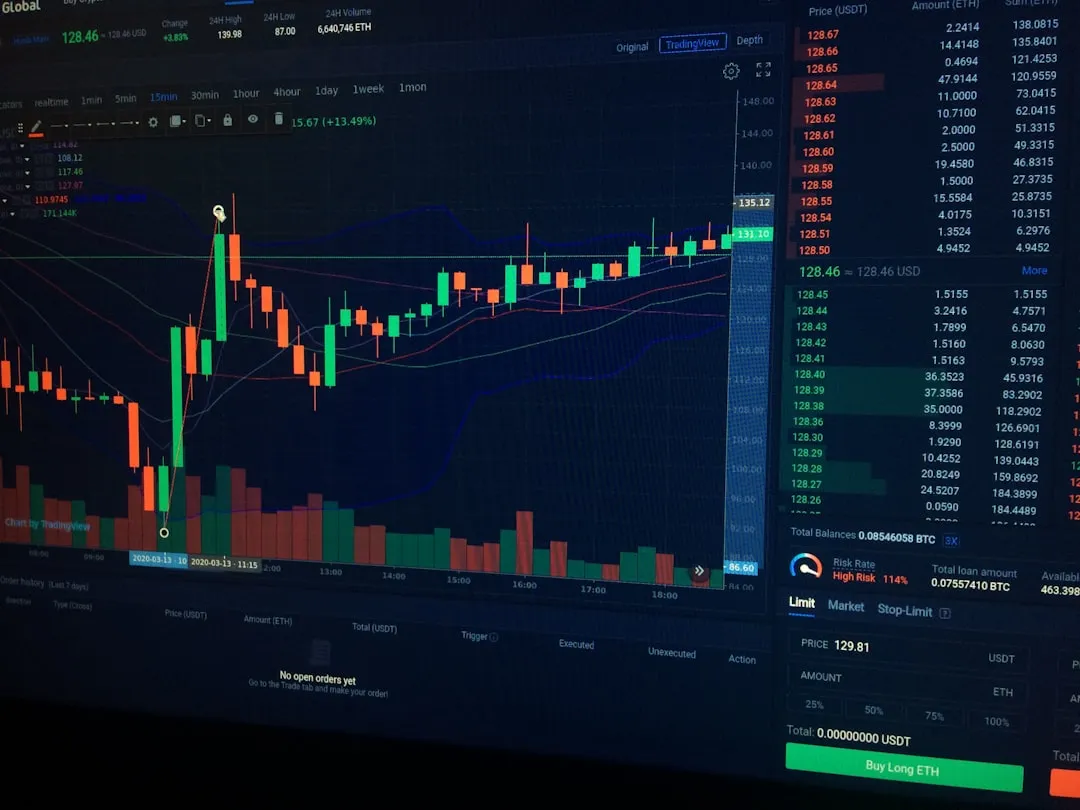
Private equity tokenization represents the newest P2P trading frontier. Platforms like Republic and Securitize enable fractional ownership of startups, real estate projects, and collectibles through blockchain-based tokens.
Republic facilitated $100 million in primary offerings during 2023. Secondary market volume reached $28 million, up from $12 million the previous year. Liquidity remains constrained—the average holding period exceeds 18 months before sellers find buyers at acceptable prices.
Token holders gain exposure to asset classes formerly requiring $500,000 minimum investments. A $10,000 position might split across five different offerings: tech startups, agricultural projects, music royalty streams, fractional real estate, and art funds.
Returns vary wildly. Republic's 2020 cohort shows a 23% internal rate of return across successful exits. Failed ventures, which comprise 37% of offerings, returned zero. The platform takes 2% annually plus 5-20% carry on profits above hurdle rates.
Regulatory protection applies through Regulation Crowdfunding and Regulation A+ frameworks. These limit annual investment amounts based on income and net worth. Accredited investors face fewer restrictions but receive no additional safeguards. Understanding how does crowdfunding work helps investors navigate these regulatory frameworks.
Invoice trading P2P platforms like Crowdz match businesses seeking immediate cash flow with investors willing to fund receivables at discounts. A company owed $50,000 in 60 days might auction the invoice at 8% discount, netting $46,000 immediately while the investor collects $50,000 at maturity.
Default rates average 3.2% annually across investment-grade invoice pools. Returns on performing invoices range from 6-12% annualized. The asset class correlates poorly with equity markets, providing diversification benefits.
Minimum investments typically start at $5,000 per invoice. A $10,000 position might split across two invoices from different industries and payment timelines. Platforms charge 1-2% origination fees plus annual servicing costs.
Foreign exchange P2P services like Wise and Revolut facilitate currency trades between users at mid-market rates. Traders post desired exchanges—dollars for euros, pounds for yen—and the platform matches counterparties within its network.
Spreads average 0.3-0.4% compared to 2-3% at traditional banks. A $10,000 currency conversion saves $160-$270 per transaction. The model suits frequent international transactions rather than one-time exchanges.
No investment return accrues since currency exchanges are immediate rather than time-delayed. The platforms fit into an investment strategy only when managing multi-currency portfolios or international property holdings.
Building a $10,000 Allocation
Concentration risk kills returns. Platform failures, regulatory shutdowns, and liquidity crunches affect entire categories simultaneously. The 2023 closure of LocalBitcoins and Paxful trapped millions in pending escrow disputes.
A defensive allocation splits capital across multiple platforms and asset types. Consider this framework based on risk tolerance:
Conservative allocation keeps 60% in invoice trading, 30% in stablecoin P2P with immediate liquidity, and 10% in equity tokens. Expected annual return: 7-9%. Primary risk: invoice defaults and platform operational failures. This approach aligns with safe investment options for risk-averse investors.
Moderate allocation divides capital equally among equity tokens, cryptocurrency P2P, and invoice trading. Expected annual return: 12-16%. Primary risks: startup failures, crypto volatility, and counterparty defaults.
Aggressive allocation concentrates 70% in cryptocurrency P2P, 20% in equity tokens, and 10% cash buffer. Expected annual return: 18-30% with high variance. Primary risks: regulatory crackdowns, depegging events, and liquidity crises.
None of these allocations should represent entire investment portfolios. P2P trading works as a 5-15% portfolio allocation for most investors with $10,000 in capital. Larger allocations amplify risks that diversification exists to mitigate.
Tax Implications Often Ignored Until April
P2P transactions create taxable events under current U.S. law. Cryptocurrency trades trigger capital gains reporting regardless of whether you cash out to dollars. Invoice purchases generate interest income taxed at ordinary rates. Equity token sales produce capital gains or losses based on holding periods.
The IRS requires reporting every transaction, not just annual summaries. Trading across multiple P2P platforms creates record-keeping nightmares. Most platforms provide year-end tax documents, but inconsistent formatting and missing cost-basis data complicate returns.
Third-party services like CoinTracker and TokenTax aggregate P2P transactions and generate IRS-ready reports. They charge $50-$300 annually depending on transaction volume. For active P2P traders, they're necessary rather than optional.
Wash sale rules apply to securities and may extend to cryptocurrency under proposed regulations. Selling Bitcoin at a loss and repurchasing within 30 days could trigger wash sale treatment, disallowing the loss deduction. Current enforcement remains unclear, but proposed 2024 regulations would close this ambiguity.
State tax complications multiply for invoice trading. Interest income faces different treatment across jurisdictions. California taxes all interest income at rates up to 13.3%. Texas and Florida charge no state income tax. New York requires separate reporting for certain P2P income sources.
International P2P trading triggers FATCA and FBAR reporting requirements when foreign account values exceed $10,000. Penalties for non-compliance start at $10,000 per violation. Many P2P platforms operate offshore, creating automatic reporting obligations that investors discover only during audits.
Platform Failure Modes No Marketing Page Mentions
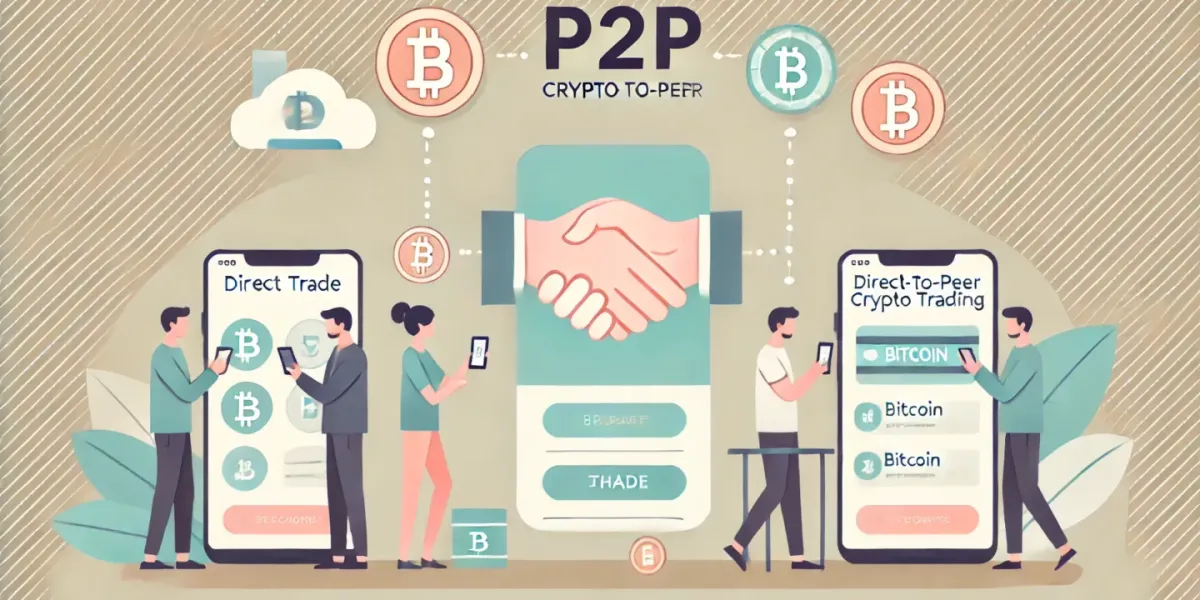
Escrow system compromises represent the primary technical risk. P2P platforms hold assets during transaction settlement. If hackers breach escrow wallets or staff members execute inside jobs, user funds disappear.
Binance P2P suffered a $570 million bridge hack in 2022. The company covered losses from corporate reserves, preventing user impact. Smaller platforms lack those reserves. When AscendEX lost $77 million in December 2021, users absorbed pro-rata losses.
Regulatory shutdowns happen with minimal warning. LocalBitcoins announced closure with 12 months notice. Paxful gave 30 days. Some platforms freeze withdrawals immediately upon receiving regulatory orders, trapping user funds indefinitely.
The 2023 SEC actions against Kraken and Coinbase created uncertainty around cryptocurrency P2P services. While neither platform shut down, both restricted certain features for U.S. users. Similar actions could affect any P2P platform tomorrow.
Liquidity spirals occur when falling prices trigger margin calls and forced liquidation. This creates additional selling pressure, further depressing prices in a self-reinforcing cycle. P2P platforms with thin order books experience more severe spirals than deep markets.
The May 2022 crypto crash demonstrated this dynamic. Bitcoin dropped 35% in 72 hours. P2P spreads widened from 2% to 8% as sellers overwhelmed buyers. Users attempting to exit $10,000 positions received $9,200 or less after spreads and slippage.
The Opportunity Cost Nobody Calculates
Every dollar in P2P trading represents a dollar not deployed elsewhere. The S&P 500 returned 24.2% in 2023. Treasury bonds yielded 5.0%. Even high-yield savings accounts paid 4.5% through online banks.
P2P investments must clear these hurdles after fees, taxes, and risk adjustment. A P2P strategy returning 15% gross might net 10.5% after 1.5% fees and 25% tax rate. That beats savings accounts but underperforms the stock market during bull runs.
The calculus shifts during market downturns. Invoice trading returned 7.8% during 2022's equity crash. Cryptocurrency P2P offered dollar-cost averaging opportunities at depressed prices. Alternative investment through P2P trading provides value primarily through low correlation, not absolute returns.
Time commitment matters. P2P trading requires active management. Setting buy orders, monitoring escrow, resolving disputes, and tracking taxes consumes hours weekly. Passive index funds require zero ongoing attention.
For investors valuing their time at $50 per hour, five hours monthly managing P2P positions costs $3,000 annually in opportunity cost. That overhead consumes 30% of returns on a $10,000 position yielding 10% annually.
Making the Call With $10,000
P2P trading makes sense for specific situations. You're handling cross-border transactions regularly and paying excessive banking fees. You're based in a jurisdiction with capital controls or currency instability. You're seeking uncorrelated assets to balance traditional portfolio exposure. You have time and interest to actively manage positions.
It makes little sense when you're seeking passive income, lack understanding of platform operations, can't afford potential total loss, or have access to conventional investments at reasonable costs. Maclear offers a transparent P2P Trading Platform that addresses many of these concerns through robust escrow systems and regulatory compliance.
The best place to invest $10,000 depends entirely on individual circumstances. For most U.S.-based investors with normal banking access, a mix of low-cost index funds and high-yield savings accounts delivers better risk-adjusted returns than P2P trading.
For the subset facing currency restrictions, seeking alternative asset exposure, or executing frequent international transactions, P2P platforms offer genuine advantages despite higher complexity and risk. Start with small test transactions. Scale slowly as competence builds. Keep detailed records from day one. Never invest more than you can afford to lose completely.
The P2P trading space continues evolving. Regulatory clarity will improve or worsen depending on government actions over the next 24 months. Platform consolidation will continue as smaller services exit and larger players expand. New asset classes will emerge while others prove unsustainable.
A $10,000 position today
