The Reality Behind Crowdfunding's Popularity
Crowdfunding platforms processed over $13.9 billion globally in 2023, yet fewer than 38% of campaigns reached their funding goals. This disconnect reveals a fundamental truth that industry data consistently supports: crowdfunding carries significant disadvantages that creators, entrepreneurs, and investors must understand before committing resources.
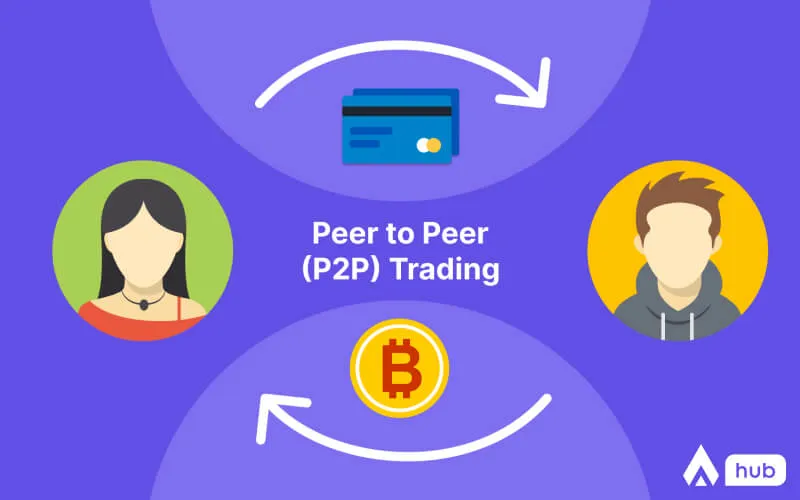
P2P trading environments have amplified both the opportunities and risks associated with crowdfunding. Direct connections between capital seekers and providers eliminate traditional intermediaries, but this disintermediation transfers risk management responsibilities to parties who may lack the expertise to evaluate them properly.
Equity Dilution and Ownership Concerns
Founders who pursue equity crowdfunding typically surrender 10-40% of company ownership during early funding rounds. Each share issued dilutes existing stakeholders' voting power and profit participation. Companies that conduct multiple crowdfunding rounds face cumulative dilution that can reduce founder ownership below 50% within two years.
The structure of equity crowdfunding creates a fragmented cap table with potentially hundreds of minority shareholders. Managing communications and shareholder relations across this dispersed base consumes administrative resources that early-stage companies can barely afford. Legal obligations to these shareholders persist regardless of company performance or founder preference.
Valuation negotiations in crowdfunding environments often favor investors who recognize information asymmetries. First-time founders without comparable transaction experience frequently accept unfavorable terms that compound across subsequent funding rounds. Data from 2022 showed that 63% of equity crowdfunding campaigns accepted valuations below their internal targets to meet minimum funding thresholds.
Control provisions embedded in shareholder agreements limit strategic flexibility. Drag-along rights, tag-along rights, and liquidation preferences create scenarios where minority shareholders can block acquisitions, force sales, or extract disproportionate returns. These mechanisms persist throughout the company's lifecycle, constraining exit options and strategic pivots.
Failed Campaign Consequences
Campaign failure rates vary by sector, but aggregate data places the success rate at approximately 22.4% across major platforms. Failed campaigns generate opportunity costs that extend beyond the immediate effort. Teams invest 3-6 months preparing materials, building audiences, and executing marketing strategies that yield zero capital if funding thresholds are not met.
Reputation damage from failed campaigns affects future fundraising prospects. Venture capitalists and angel investors view unsuccessful crowdfunding attempts as negative signals about market validation and founder execution capability. Survey data indicates that 71% of institutional investors discount companies with failed crowdfunding history by at least 15% in subsequent valuation discussions.
All-or-nothing funding models create binary outcomes that prevent partial success from generating value. A campaign that reaches 85% of its goal receives zero funding, despite demonstrating substantial market interest. The 15% shortfall eliminates months of effort and forces founders to restart the entire process with different platforms or funding strategies.
Platform fees apply regardless of success on some services. Setup costs, production expenses for pitch videos, and marketing spend represent sunk costs that failed campaigns never recover. Average pre-campaign expenses range from $8,000 to $23,000 depending on production quality and marketing sophistication.
Regulatory Compliance Burdens
Securities regulations governing crowdfunding create compliance obligations that scale with capital raised. Regulation Crowdfunding in the United States requires Form C filings, annual reports, and ongoing disclosures that impose legal and accounting costs. Companies raising under Reg CF face annual compliance costs averaging $12,000-$18,000 for financial statement preparation and regulatory filings.
Investment limits protect individual investors but constrain capital availability. Annual investment caps of $2,200-$107,000 per investor (depending on income and net worth) mean that campaigns must attract hundreds of participants to reach meaningful funding levels. Building audiences of this scale requires marketing expenditures that can consume 15-25% of target capital.
Cross-border crowdfunding triggers multi-jurisdictional compliance requirements. Platforms operating internationally must navigate varying securities laws, investor protection regimes, and tax treaties. Legal costs for international compliance can exceed $50,000 for campaigns targeting multiple markets simultaneously.
Disclosure requirements expose proprietary information to competitors. Pitch materials, financial projections, and business model details become publicly accessible through regulatory filings and platform listings. Competitors gain strategic intelligence without reciprocal disclosure obligations, creating asymmetric information advantages.
Intellectual Property Exposure
Public crowdfunding campaigns broadcast ideas, product designs, and business models to global audiences before patent protection is secured. First-to-file patent jurisdictions give competitors opportunities to file applications based on publicly disclosed concepts. Patent attorneys document multiple cases annually where crowdfunding campaigns enabled IP theft by sophisticated competitors.
Trade secret protection becomes impossible once detailed operational information appears in public pitch materials. Manufacturing processes, supplier relationships, and proprietary methodologies lose legal protection the moment they enter public domain through campaign disclosures. Courts consistently rule that public disclosure voids trade secret claims regardless of intent.
Copyright and trademark considerations receive insufficient attention during campaign planning. User-generated content, testimonials, and promotional materials often lack proper rights clearances. Post-campaign legal disputes over IP ownership create liability exposure that can exceed campaign proceeds.
Design patents for physical products face accelerated obsolescence when detailed specifications appear in campaign materials months before product launch. Fast-following competitors in jurisdictions with weak IP enforcement can bring copies to market before original creators complete production runs.
Loss of Strategic Control
Crowdfunding success creates stakeholder expectations that constrain strategic flexibility. Public commitments to product features, pricing, and delivery timelines become binding obligations that limit pivots based on market feedback. Survey data shows 67% of hardware crowdfunding projects deliver late, but schedule flexibility creates backer backlash that damages brand reputation.
Communication obligations to large backer populations consume founder time that could focus on product development or operations. Successful campaigns generate 2,000-10,000 stakeholders who expect regular updates, responsive support, and transparent problem resolution. Managing these expectations requires dedicated community management resources.
Negative feedback loops can emerge when campaigns encounter execution challenges. Production delays, quality issues, or strategic pivots trigger public criticism that amplifies through social media and review platforms. This transparency creates reputation risks that persist beyond individual campaign timelines.
Exit strategy limitations arise from diverse stakeholder interests. Small investors prioritize different outcomes than founders or institutional backers. Acquisition offers that benefit founders may disadvantage equity crowdfunding participants with different risk profiles and time horizons. Reconciling these competing interests complicates transaction negotiations.
Platform Dependency and Limitations
Platform policies determine campaign structure, fee arrangements, and fund distribution terms. Rule changes, fee increases, or policy shifts can occur mid-campaign with limited recourse for creators. Historical data documents multiple instances where platform algorithm changes reduced campaign visibility by 40-60% overnight.
Payment processing fees compound platform charges. Combined fees typically range from 7-12% of funds raised when aggregating platform charges, payment processor fees, and currency conversion costs for international campaigns. These expenses directly reduce net capital available for business operations.
Platform failures or shutdowns create risks for ongoing obligations. Campaigns that accept multi-year commitments through subscription models or staged product delivery depend on platform infrastructure for communication and payment processing. Platform discontinuation forces migration costs and disrupts stakeholder relationships.
Marketing support varies dramatically between featured campaigns and standard listings. Platform algorithms prioritize campaigns with early momentum, creating winner-take-most dynamics where successful campaigns receive disproportionate visibility. Projects that fail to gain immediate traction become effectively invisible regardless of merit.

Market Saturation and Competition
Over 6,000 active crowdfunding campaigns compete for attention simultaneously across major platforms. Category saturation in popular sectors like technology, gaming, and consumer products means that individual campaigns must achieve exceptional differentiation to capture audience attention. Average campaign view counts declined 34% between 2019 and 2023 as platform populations grew faster than engaged user bases.
Marketing costs to stand out in saturated markets can exceed funding targets for modestly-scoped projects. Successful campaigns now invest $15,000-$75,000 in pre-launch marketing to build audiences capable of generating day-one momentum. This front-loaded expense creates catch-22 scenarios where funding is needed to raise funding effectively.
Backer fatigue reduces conversion rates across categories that experience repeated campaigns. Audiences exposed to hundreds of similar pitches develop skepticism that reduces average pledge amounts and lengthens decision cycles. Conversion rate data shows 43% decline in pledge rates for categories with more than 50 active campaigns simultaneously.
Seasonal patterns create concentrated competition during high-visibility periods. Campaign density increases 200-300% during Q4 as projects target holiday shopping behavior and year-end tax planning. This concentration reduces individual campaign visibility and forces increased marketing spend to maintain competitive position.
Financial and Operational Risks
Production cost estimation errors commonly affect first-time campaign creators. Inexperience with manufacturing, logistics, and quality control leads to underestimated budgets that create fulfillment crises post-campaign. Industry data indicates 52% of hardware campaigns exceed production budgets by more than 30%, forcing creators to self-fund shortfalls or reduce product quality.
Currency exchange risk affects campaigns with international backers or overseas manufacturing. Exchange rate movements between campaign close and production payment can eliminate profit margins entirely. A 10% currency movement represents $50,000 on a $500,000 campaign with foreign production costs.
Fraud exposure exists for both creators and backers. Platform verification processes vary in rigor, allowing fraudulent campaigns to collect funds with no intention of delivery. Backers face limited recourse when campaigns fail to deliver, as most platforms explicitly disclaim responsibility for creator performance.
Working capital constraints emerge when campaigns collect funds months before production costs occur. Bridge financing becomes necessary when tooling costs, mold expenses, or inventory deposits must be paid before backer funds arrive. Interest costs and fee structures for bridge loans can consume 5-8% of campaign proceeds.
Long-term Stakeholder Management
Ongoing communication obligations persist for years after successful campaigns close. Equity crowdfunding creates perpetual shareholders who expect annual reports, financial updates, and strategic communications. These obligations continue regardless of company performance or founder capacity to service them effectively.
Liability exposure from shareholder disputes increases with stakeholder count. Class action mechanisms allow coordinated legal action by small shareholders who individually lack resources for litigation. Securities fraud claims, disclosure violations, and fiduciary duty breaches create ongoing legal risk.
Exit complications arise from right of first refusal provisions and transfer restrictions common in crowdfunding terms. Selling companies with hundreds of small shareholders requires notification processes, voting procedures, and potential dissenter rights that extend transaction timelines and increase costs.
Stakeholder expectations evolve over time in ways that may conflict with founder vision. Early supporters attracted by specific product features or social missions may resist strategic pivots that improve business viability but diverge from original campaign promises.
The Benefits of Crowdfunding Context
While this analysis focuses on disadvantages, crowdfunding does provide market validation, customer development, and capital access benefits for specific use cases. Understanding crowdfunding advantages and disadvantages helps evaluate whether crowdfunding disadvantages outweigh benefits for individual circumstances rather than assuming crowdfunding suits all capital formation needs.
Traditional financing alternatives—bank loans, venture capital, angel investment—carry their own disadvantages including credit requirements, equity dilution, and control provisions. Comprehensive analysis compares crowdfunding drawbacks against alternative funding source limitations to identify the least disadvantageous path forward.
Conclusion
The disadvantages of crowdfunding manifest across financial, operational, legal, and strategic dimensions. Equity dilution, failed campaign risks, regulatory burdens, IP exposure, control loss, platform dependency, market saturation, financial risks, and stakeholder management obligations create a complex risk profile that demands careful evaluation.
P2P trading environments amplify these disadvantages by removing intermediary oversight while transferring risk assessment responsibilities to participants who may lack requisite expertise. Maclear provides tools for evaluating alternative investment through P2P trading opportunities. The democratization of capital access that crowdfunding enables comes with democratization of risk exposure that affects both capital seekers and providers.
Informed decision-making requires honest assessment of these disadvantages against specific project needs, founder capabilities, and alternative funding availability. Crowdfunding serves legitimate purposes for certain ventures, but understanding what can go wrong enables better preparation and more realistic success probability assessment.
