The Mechanics of Modern Crowdfunding
Crowdfunding has transformed how entrepreneurs, artists, and organizations access capital. Instead of approaching banks or venture capitalists, creators now pitch directly to the public through digital platforms. This shift represents more than technological convenience—it fundamentally alters the relationship between capital providers and those seeking funds.
The crowdfunding meaning centers on collective effort. Multiple individuals contribute small amounts toward a shared goal, bypassing traditional financial intermediaries. Data from Statista shows global crowdfunding transaction values reached $1.4 billion in 2023, with projections indicating continued expansion through 2028. This growth reflects increasing comfort with peer-to-peer financial relationships and declining trust in legacy institutions.
Understanding how does crowdfunding work requires examining four core components: the creator, the backers, the platform, and the funding model. Each plays a distinct role in the transaction lifecycle.

Platform Architecture and Transaction Flow
Crowdfunding platforms function as digital marketplaces connecting supply and demand for capital. Creators establish campaign pages detailing their project, funding target, timeline, and rewards or equity offered. The platform provides infrastructure for payment processing, communication tools, and visibility through search and recommendation algorithms.
When a backer discovers a campaign, they review the pitch materials and decide whether to contribute. Most platforms operate on all-or-nothing models: creators receive funds only if they hit their target within the specified timeframe. Kickstarter pioneered this approach, reporting that projects meeting 30% of their goal have approximately 90% probability of full funding success. This threshold effect creates urgency and social proof, encouraging early momentum.
The transaction itself follows established payment rails. Backers authorize charges through credit cards or digital wallets, but the platform holds funds in escrow until campaign completion. If the target is reached, the platform transfers money to the creator minus a percentage fee—typically 5% to 10% depending on the service and campaign type. Failed campaigns return funds to backers automatically.
Technical infrastructure matters significantly. Payment security, user authentication, and fraud detection systems protect both sides of the transaction. Platforms invest heavily in these systems; Indiegogo reported spending over $8 million annually on trust and safety operations as of 2022. This investment addresses the inherent information asymmetry between strangers conducting financial transactions online.
Four Primary Funding Models
The crowdfunding def encompasses multiple distinct structures, each suited to different project types and regulatory environments. Understanding the types of crowdfunding helps creators select the right approach.
Donation-Based Crowdfunding
Contributors give money without expecting tangible returns. This model dominates charitable causes, medical expenses, and community projects. GoFundMe processes over $15 billion annually in this category, with average donation sizes between $50 and $75. Donors receive psychological satisfaction and sometimes public recognition, but no financial compensation.
Rewards-Based Crowdfunding
Backers receive products, services, or experiences in exchange for contributions. This structure accounts for most creative and product-development campaigns. A backer contributing $50 might receive the finished product, while $500 supporters get premium versions plus exclusive access to the creator.
Kickstarter data reveals that reward fulfillment remains challenging—approximately 9% of successful projects fail to deliver promised rewards. This risk creates friction, though platform reputation systems and creator track records help backers assess reliability. Projects with previous successful campaigns demonstrate 68% higher completion rates compared to first-time creators.
Lending-Based Crowdfunding
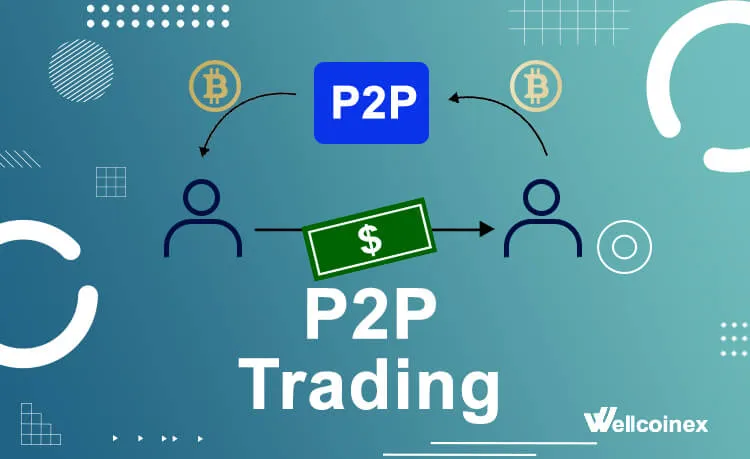
Also termed peer to peer lending, this model involves contributors loaning money with expectation of repayment plus interest. Platforms like LendingClub and Prosper originated this approach for personal loans, while others focus on small business financing or real estate development.
Interest rates vary based on borrower creditworthiness and loan terms. Data from the Cambridge Centre for Alternative Finance shows that global peer-to-peer lending volumes reached $310 billion in 2022, with Asia-Pacific markets representing 65% of total transaction value. Default rates average between 3% and 7% depending on risk tier, comparable to traditional consumer lending products.
Regulatory oversight has intensified as volumes grow. The Securities and Exchange Commission requires loan-based platforms to register offerings, implement investor accreditation checks for certain loan types, and provide detailed disclosure documents. These requirements increase operational costs but enhance market legitimacy.
Equity Crowdfunding
Contributors receive ownership stakes in the funded company. This model emerged after the JOBS Act of 2012 reduced regulatory barriers for early-stage equity sales. Platforms like SeedInvest and Republic facilitate these transactions, enabling non-accredited investors to participate in startup financing previously restricted to wealthy individuals and institutions.
Equity crowdfunding campaigns must comply with Regulation Crowdfunding rules, which cap annual raises at $5 million and require financial disclosures proportional to the amount raised. Companies raising under $124,000 need only tax returns and financial statements, while larger raises require reviewed or audited financials.
Returns in this model depend entirely on company performance. StartEngine reported that approximately 11% of companies funded through its platform have provided liquidity events or secondary market opportunities within four years. The remainder stay private, leaving investors with illiquid positions. This reality demands different backer psychology compared to rewards or lending models—equity backers must tolerate long time horizons and total loss risk.
The Backer Decision Process
Successful campaigns understand what motivates financial contributions from strangers. Research from the Wharton School identifies five primary drivers: product interest, social signaling, community participation, financial return, and philanthropic impulse.
Product interest dominates rewards-based platforms. Backers want the item being created and view crowdfunding as pre-ordering with added uncertainty. The Pebble smartwatch raised $10.3 million from 68,929 backers in 2012 because consumers wanted the product and traditional retailers offered no alternatives. Early access serves as powerful motivation—backers tolerate risk for first-mover advantage.
Social signaling explains why campaigns with compelling narratives outperform functionally equivalent alternatives. Backing visible projects allows supporters to demonstrate values or affiliations to their networks. Campaign updates shared on social media create iterative visibility cycles. Analysis of 470,000 Kickstarter campaigns found that projects generating 10 or more media mentions achieve 436% higher funding totals compared to similar campaigns without press coverage.
Community participation appeals to backers seeking connection with creators and fellow supporters. Comment sections, backer-exclusive updates, and input on product decisions foster belonging. This mechanism proves especially potent for niche interests where backers struggle to find like-minded individuals offline. Board game campaigns demonstrate this effect—the category maintains 79% success rates on Kickstarter, significantly above the platform's 39% overall success rate, driven by engaged hobbyist communities.
Financial return motivates lending and equity backers. These individuals analyze projected returns using frameworks similar to traditional investment analysis: market size assessment, competitive positioning, management team evaluation, and financial projections. However, information quality varies dramatically compared to public markets. Private companies disclose less data, providing determined backers with potential information advantages but also higher due diligence burdens.
Philanthropic impulse drives donation campaigns. Contributors support causes aligning with personal values without expecting material compensation. This motivation proves durable—repeat donation rates exceed 45% on major platforms, indicating sustained engagement rather than one-time curiosity.
Creator Strategy and Campaign Execution
Launching a successful crowdfunding campaign requires planning far beyond posting a project description. Data analysis of 67,000 campaigns by Ethan Mollick at the University of Pennsylvania reveals that preparation intensity directly correlates with funding outcomes.
Pre-launch audience building establishes initial momentum. Creators who gather email lists of 500 or more interested parties before campaign launch achieve first-day funding averaging 37% of their goal. This early velocity triggers platform recommendation algorithms and creates social proof for later visitors. In contrast, campaigns reaching only 15% of their goal in the first week have just 4% probability of ultimate success.
Video content significantly impacts conversion. Campaigns with videos raise 114% more money than those relying solely on text and images. However, production quality matters less than commonly assumed—authenticity and clear communication outperform slick corporate presentation styles. Backers respond to genuine founder passion and transparent explanation of how funds will be used.
Funding targets require careful calibration. Setting goals too high creates psychological barriers; too low suggests the creator underestimates project costs or lacks confidence. Analysis shows that projects setting targets between $5,000 and $20,000 achieve the highest success rates at 47%, while campaigns seeking over $100,000 succeed only 18% of the time. This relationship reflects both realistic budgeting and backer perception of achievability.
Update frequency during active campaigns maintains backer engagement and attracts new contributors. Projects posting 3-5 updates throughout a 30-day campaign raise 126% more than those posting once or not at all. Updates demonstrate progress, build narrative momentum, and provide shareable content for backers to spread through personal networks.
Stretch goals—additional features or rewards if funding exceeds the initial target—extend campaign energy beyond the primary goal. This mechanism addresses psychological dynamics: once a campaign hits its target, backer urgency diminishes. Stretch goals maintain forward momentum, encouraging additional contributions from existing backers and providing new visitors with reasons to participate despite missed early-backer rewards.
Platform Selection and Fee Structures
Choosing the right platform affects campaign visibility, fee costs, and backer demographics. Over 2,000 crowdfunding platforms operate globally, each targeting specific niches or geographies.
General platforms like Kickstarter and Indiegogo offer maximum visibility but intense competition. Kickstarter attracts 50 million unique visitors annually, providing discovery potential but requiring campaigns to stand out among thousands of simultaneous projects. These platforms charge 5% of funds raised plus payment processing fees of approximately 3%, resulting in total costs between 8% and 10% of campaign totals.
Niche platforms serve specialized categories with engaged audiences. Patreon focuses on recurring creator support, Experiment.com serves scientific research, and Fundable targets business ventures. These platforms offer targeted traffic—visitors arrive with specific intent—but smaller overall audience sizes. Fee structures vary widely; Patreon charges 5% to 12% depending on service tier, while business-focused platforms sometimes charge flat monthly fees rather than percentage-based pricing.
Equity platforms face additional regulatory requirements driving higher costs. SeedInvest charges companies 7.5% of funds raised plus approximately $10,000 in legal and administrative fees for Regulation Crowdfunding compliance. These costs make equity crowdfunding economically viable only for raises exceeding $100,000.
Geographic considerations matter for international creators. While major platforms accept global campaigns, payment processing, customer support, and backer demographics skew toward the platform's home market. Kickstarter remains US-centric despite international expansion; 65% of backer traffic originates from North American IP addresses. Creators targeting European or Asian backers often achieve better results on regional platforms like Ulule (France) or Makuake (Japan).
Risk Factors and Market Evolution
Crowdfunding eliminates certain traditional financing risks while introducing new concerns specific to peer-to-peer transactions. Evaluating crowdfunding advantages and disadvantages helps participants make informed decisions.
Project delivery risk affects backers on rewards platforms. Unlike traditional retail purchases, backers fund development rather than buying finished products. Manufacturing delays, technical challenges, and budget miscalculations frequently postpone or prevent reward fulfillment. A University of Pennsylvania study tracking 471 Kickstarter hardware projects found that 84% shipped late, with delays averaging 8 months beyond promised delivery dates.
Fraud represents a persistent concern despite platform safeguards. The Federal Trade Commission filed its first crowdfunding fraud case in 2015 against a creator who raised $122,000 but spent funds on personal expenses rather than project development. While rare—estimated at under 0.1% of campaigns—these cases damage platform credibility and backer confidence.
Intellectual property theft affects creators who publicly share ideas before securing patents or trademarks. Detailed campaign descriptions provide blueprints that competitors can copy and bring to market faster than funded creators. This risk proves particularly acute for hardware products with long manufacturing timelines.
Market maturation brings increased sophistication from both creators and backers. Campaign quality standards have risen dramatically; projects featuring professional photography, comprehensive budgets, and detailed timelines now represent baseline expectations rather than competitive advantages. Simultaneously, backer skepticism has increased following high-profile failures, creating higher bars for trust establishment.
Institutional participation marks a significant evolution. Venture capital firms now monitor crowdfunding platforms for market validation signals. Products demonstrating strong backer demand attract professional investors who provide follow-on funding at higher valuations. This institutional attention legitimizes crowdfunding as a serious capital formation channel while potentially changing creator incentives—campaigns become marketing exercises aimed at sophisticated investors rather than genuine community funding exercises.
Regulatory frameworks continue developing as governments balance innovation encouragement with consumer protection. The European Union implemented the European Crowdfunding Service Providers Regulation in 2021, creating consistent rules across member states. These regulations require platform licensing, impose investment limits for non-professional investors, and mandate standardized disclosure documents. Compliance costs increase, but regulatory clarity encourages platform expansion and institutional participation.
The Broader Financial Ecosystem Impact
Crowdfunding's influence extends beyond individual campaigns. The mechanism democratizes capital access for populations historically excluded from traditional financing channels. Women-led businesses receive only 2.3% of venture capital funding but represent 38% of successfully funded projects on equity crowdfunding platforms. Similar patterns exist for minority entrepreneurs and businesses in secondary markets outside major financial centers.
This democratization creates portfolio diversification opportunities for individual investors. Rather than limiting early-stage investment to accredited investors through venture funds, crowdfunding enables broader participation. While individual deal risk remains high, portfolio approaches across dozens of campaigns can generate attractive risk-adjusted returns. Republic reported that investors backing 20 or more companies achieved average portfolio returns of 11.2% annually over five-year periods, though past performance provides no guarantee of future results. Maclear offers a P2P Trading Platform that facilitates such diversified investment approaches.
The mechanism also serves market research functions. Companies test product concepts and validate demand before committing to full production. This approach reduces market risk—successful campaigns prove willing buyers exist—while unsuccessful campaigns provide valuable feedback at relatively low cost. Hardware startups increasingly use crowdfunding as paid market research rather than primary capital sources, planning to manufacture products regardless of campaign outcomes but using backer response to refine features and positioning.
Traditional financial institutions now incorporate crowdfunding data into credit decisions. Banks analyze lending-based crowdfunding performance when evaluating loan applications, treating successful campaign track records as creditworthiness signals. This integration bridges alternative and traditional finance channels, creating more comprehensive risk assessment frameworks.
Understanding how does crowdfunding work reveals a complex ecosystem balancing innovation access, risk management, and community engagement. The mechanism will continue evolving as technology improves, regulations adapt, and market participants gain experience. For creators seeking capital and backers seeking opportunities, crowdfunding represents a viable alternative to conventional financing structures, provided participants understand the mechanics, risks, and realistic outcome probabilities.
