Understanding Trading as an Investment Vehicle
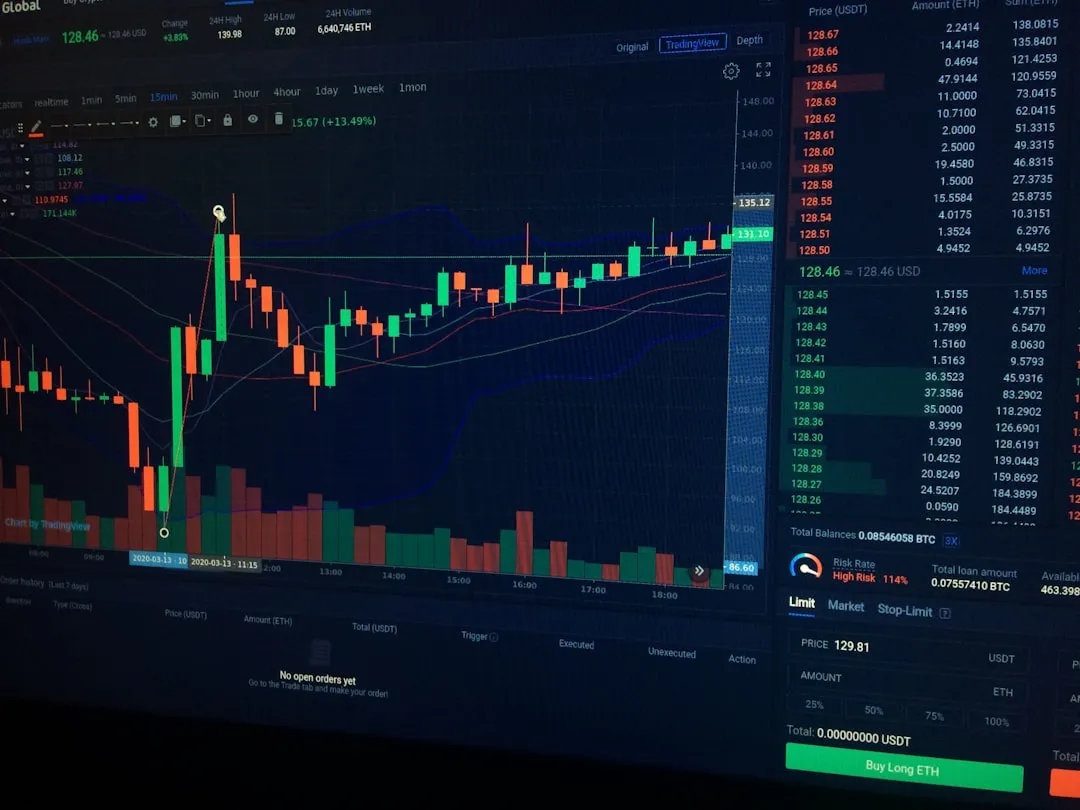
The financial landscape has undergone a fundamental transformation over the past decade. Traditional intermediaries no longer hold exclusive control over trading and investment activities. Peer-to-peer trading platforms have created direct pathways between individuals, reducing fees while expanding access to markets once reserved for institutional players or those with substantial capital.
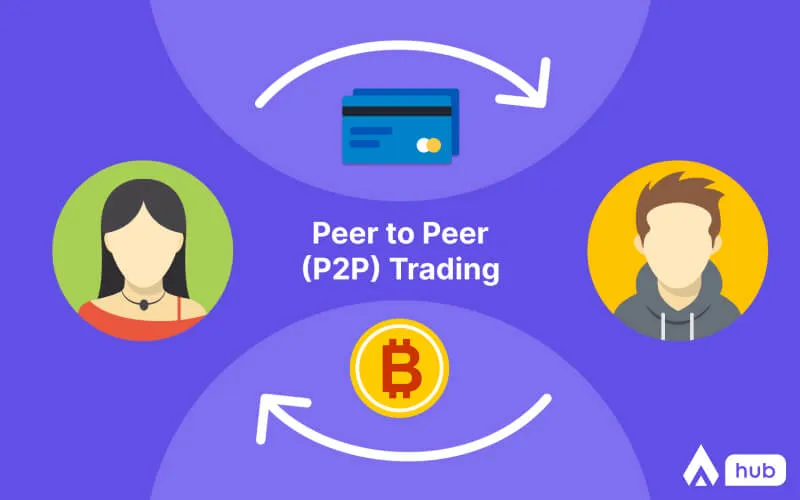
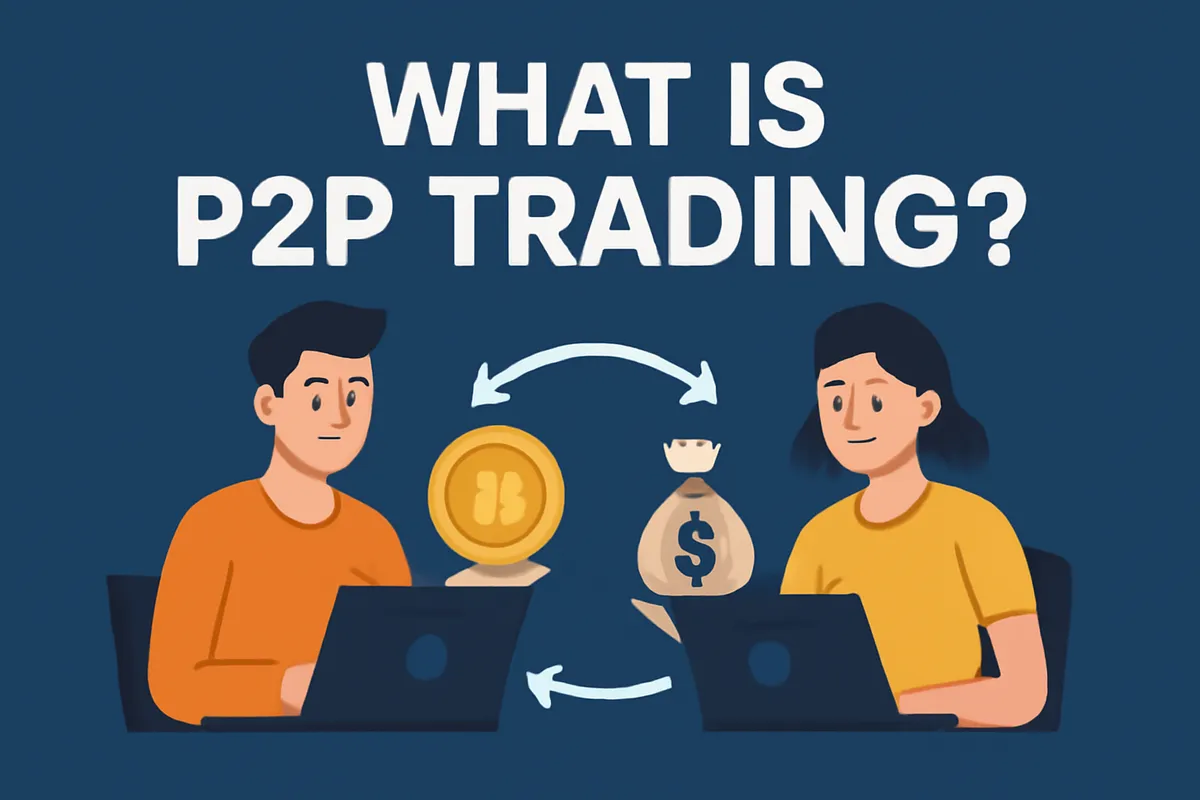
P2P trading removes the middleman from transactions. Instead of routing orders through centralized exchanges or brokers who match buyers with sellers behind the scenes, these platforms connect traders directly. This structure applies across multiple asset classes: cryptocurrencies, stocks, bonds, commodities, and even fractionalized real estate. The direct connection model typically results in lower transaction costs, faster settlements, and greater transparency around pricing.
For those learning how to invest, P2P platforms represent both opportunity and complexity. The barriers to entry have dropped significantly. Most platforms require minimal initial capital, sometimes as little as $10 to begin. Account creation takes minutes rather than days. However, the elimination of intermediaries also means reduced oversight and protection mechanisms that traditional brokerages provide by default. Maclear has been at the forefront of making P2P trading accessible to beginners.
Why Beginners Choose Trading Platforms
Recent data indicates that over 420 million people worldwide now use P2P trading platforms, a figure that has tripled since 2020. This explosive growth stems from several practical advantages that resonate particularly with those in the early stages of their investment journey.
Cost efficiency ranks as the primary driver. Traditional brokerages charge commissions ranging from $4.95 to $9.99 per trade, plus ongoing account maintenance fees. P2P platforms typically charge 0.1% to 0.5% per transaction or operate on a maker-taker fee model where passive orders receive rebates. For someone making frequent small trades while learning market dynamics, these savings compound quickly.
The 24/7 accessibility of most P2P platforms aligns with how modern investors approach markets. Unlike traditional exchanges bound by operating hours, P2P cryptocurrency platforms never close. Equity-focused P2P platforms offer extended hours well beyond the standard 9:30 AM to 4:00 PM window. This flexibility accommodates those building portfolios around work schedules or responding to global news events that occur outside market hours.
Educational resources have become a competitive differentiator among P2P platforms. Recognizing that sustained platform usage requires investor competence, many providers now offer structured learning paths. These range from basic terminology guides to advanced technical analysis courses. Some platforms gamify the learning process, offering paper trading competitions where beginners practice strategies without risking capital. A comprehensive beginner's guide to investing can help newcomers navigate these resources effectively.
Essential Investment Principles for Success
Successful investing through P2P platforms requires mastery of several foundational principles that remain constant regardless of asset class or market conditions.
Capital Preservation Comes First
Before pursuing returns, establish systems that protect your initial investment. The financial industry often discusses risk-adjusted returns, but beginners should focus first on absolute risk management. Data from Vanguard research shows that investors who experience significant early losses are 40% more likely to abandon investing altogether within five years.
Set hard limits before executing any trade. Never invest money needed for essential expenses within the next 12 months. Create a separate emergency fund covering three to six months of living expenses before allocating capital to P2P trading. This foundation prevents forced liquidation during market downturns when asset prices are depressed.
Position sizing represents your most practical risk control tool. A common framework suggests never risking more than 2% of total portfolio value on a single trade. For a $5,000 portfolio, this means limiting potential loss on any position to $100. This approach allows for 50 consecutive losing trades before capital depletion, a statistical improbability that creates psychological resilience during normal market volatility.
Diversification Reduces Concentration Risk
Academic research consistently demonstrates that diversification represents the only "free lunch" in investing. By spreading capital across uncorrelated assets, investors reduce portfolio volatility without necessarily sacrificing returns.
P2P platforms facilitate diversification in ways previously unavailable to small investors. Fractional shares allow participation in high-priced stocks with minimal capital. A beginner with $500 can now build a portfolio spanning 20 different companies rather than purchasing just two whole shares of expensive stocks.
The mathematics of diversification show clear benefits. A portfolio concentrated in five stocks carries approximately 35% volatility (standard deviation of returns). Expanding to 20 stocks reduces volatility to roughly 22%, while 50 stocks brings it down to approximately 20%. Beyond 50 holdings, additional diversification provides minimal risk reduction but increases management complexity.
For those learning to invest through P2P platforms, a reasonable initial target involves holding 10-15 positions across at least three different sectors or asset classes. This provides meaningful diversification without creating an overwhelming monitoring burden.
Time Horizon Determines Strategy
Your investment timeframe should dictate asset allocation and risk tolerance. P2P platforms make rapid trading technically easy, but frequent transactions typically produce inferior results compared to patient, strategic positioning.
Research from Dalbar, Inc. tracks actual investor returns versus market returns. Over the 30 years ending in 2022, the S&P 500 returned 9.65% annually while the average equity investor achieved only 6.81%. This 2.84 percentage point gap stems largely from poor timing decisions—buying after prices have risen and selling after declines.
Beginning investors should establish clear time horizons for different portfolio segments:
Short-term allocation (0-3 years): Capital needed for specific upcoming expenses. Appropriate vehicles include money market funds, short-term bonds, or stable cryptocurrencies if available on your P2P platform. Expected returns: 2-4% annually with minimal volatility.
Medium-term allocation (3-7 years): Funds for defined goals like home down payments or business launches. Balanced approach combining stocks, bonds, and alternative assets. Expected returns: 5-7% annually with moderate volatility.
Long-term allocation (7+ years): Retirement and wealth-building capital. Can withstand significant volatility in exchange for higher growth potential. Stock-heavy portfolios or growth-oriented cryptocurrency positions. Expected returns: 7-10% annually with substantial year-to-year variance. Exploring long term investment strategies can help maximize returns over extended periods.
Building Your First Portfolio
Translating theory into practice requires a structured approach that balances learning opportunities with capital protection.
Platform Selection Criteria
Not all P2P platforms offer equivalent security, functionality, or asset access. Evaluate potential platforms across these dimensions before depositing funds:
Regulatory compliance: Verify that platforms serving your jurisdiction hold appropriate licenses. In the United States, securities platforms should register with the SEC and FINRA. Cryptocurrency platforms increasingly register with FinCEN as money services businesses. European platforms should hold MiFID II authorization. This regulatory oversight provides baseline consumer protections.
Security infrastructure: Research the platform's security history and current measures. Look for two-factor authentication requirements, cold storage of crypto assets (keeping 90%+ offline), insurance coverage for deposits, and transparent incident reporting. Platforms operating for 5+ years without major security breaches demonstrate proven operational competence.
Liquidity depth: Platform success requires sufficient users to ensure you can enter and exit positions at fair prices. Check daily trading volumes—higher numbers indicate better liquidity. Cryptocurrency platforms should show at least $100 million in daily volume for major pairs. Equity platforms should provide access to stocks trading at least 1 million shares daily.
Fee transparency: Calculate total costs including trading fees, withdrawal fees, currency conversion charges, and inactivity fees. Some platforms advertise zero commissions but generate revenue through wider bid-ask spreads. Request a fee schedule and model your expected annual costs based on realistic trading frequency.
Portfolio Construction Framework
Start with a foundational allocation that provides broad market exposure while you develop analytical skills. A beginner-friendly structure might allocate capital as follows:
Forty percent in large-cap index exposure provides core portfolio stability. Through P2P platforms offering fractional shares, purchase stakes in broad market ETFs tracking the S&P 500 or similar indices. These baskets of hundreds of stocks deliver market-average returns with below-average volatility.
Twenty-five percent in individual stocks lets you apply developing analytical skills. Focus on companies you understand with straightforward business models. Consumer-facing businesses often make good starting points—retailers, restaurants, technology products you use daily. Limit this segment to 5-7 holdings initially.
Twenty percent in fixed-income or stable assets provides portfolio ballast during equity downturns. P2P lending platforms allow direct funding of consumer or business loans with expected returns of 5-8%. Alternatively, bond ETFs or stable cryptocurrencies can fill this role depending on platform offerings.
Fifteen percent remains in cash or cash equivalents. This allocation serves two purposes: it provides dry powder to take advantage of market dislocations when assets become temporarily cheap, and it creates psychological comfort knowing you have reserves during volatile periods.
Risk Management Techniques for Investors
P2P trading platforms provide powerful tools but limited guardrails. Implementing personal risk management protocols separates successful long-term investors from those who suffer avoidable losses.
Stop-Loss Discipline
Stop-loss orders automatically sell a position when prices fall to predetermined levels, limiting potential losses. While markets sometimes experience temporary dips followed by recoveries—triggering stops that seem premature in hindsight—systematic stop-loss usage prevents catastrophic losses.
Calculate stop-loss levels based on technical support levels or percentage thresholds. A common approach places stops 8-10% below purchase prices for volatile assets like growth stocks or cryptocurrencies, and 5-7% below for established large-cap stocks. Bond positions rarely require stops due to lower volatility.
Track your stop-loss triggers over time. If you find that 70%+ of stopped positions subsequently recover and reach new highs, your stops are probably too tight. Conversely, if average losses exceed 10-12%, you need more aggressive risk controls.
Position Monitoring Frequency
Beginning investors often fall into two opposing traps: obsessive monitoring that triggers emotional decisions, or complete neglect that allows minor problems to become major losses.
Establish a regular review cadence matching your investment timeframe. Daily monitoring makes sense only for active traders holding positions less than one week. For longer-term positions, weekly or monthly reviews provide sufficient oversight without encouraging overtrading.
During reviews, assess whether your original investment thesis remains valid. Company fundamentals change, market conditions shift, and new information emerges constantly. If core assumptions underlying a position no longer hold true, exit regardless of profit or loss status.
Counterparty Risk Assessment
P2P platforms connect you directly with other traders, creating counterparty risk absent in traditional brokerage accounts. If a buyer fails to deliver payment or a seller cannot transfer assets, you may experience losses despite making sound investment decisions.
Mitigate counterparty risk through platform features and personal practices. Use escrow services that hold funds until transaction completion. Check counterparty ratings and transaction histories before accepting large trades. Limit individual transaction sizes so that a single default cannot materially impact your portfolio.
Developing Investment Skills Over Time
The investment journey extends far beyond initial capital deployment. Continuous skill development separates those who achieve financial independence from those who simply participate in markets.
Performance Tracking and Analysis
Maintain detailed records of all transactions, including entry and exit prices, position sizes, and the reasoning behind each decision. This documentation creates a personal case study library for pattern recognition.
Calculate returns using time-weighted methods that account for capital additions and withdrawals. Simple profit percentages mislead when you add funds to winning positions or remove money from losing ones. Most P2P platforms provide basic performance tracking, but consider third-party portfolio tracking software for more sophisticated analysis.
Benchmark performance against relevant indices. If you primarily trade U.S. stocks, compare returns to the S&P 500. Cryptocurrency portfolios should benchmark against Bitcoin or a crypto market cap-weighted index. Expect to underperform benchmarks initially while learning—studies show 85-90% of active traders trail index performance over five-year periods. The goal involves gradual performance improvement through applied learning.
Market Research Development
Investment success requires converting information into insight. P2P platforms democratized market access but created information overload requiring filtering skills.
Develop a curated information diet focusing on high-signal sources. Company quarterly reports, regulatory filings, and management presentations provide primary source material directly from businesses. Industry trade publications offer specialized insights unavailable in general financial media. Economic data releases from government agencies ground your understanding of broader trends affecting all markets.
Avoid prediction-focused content promising market timing insights. Research from CXO Advisory Group analyzed 6,582 market forecasts from 68 experts over 13 years. The average accuracy rate was 46.9%—worse than a coin flip. Instead, focus on understanding business fundamentals and valuation frameworks that indicate when assets trade at discounts to intrinsic value.
Emotional Discipline Training
Psychology determines investment outcomes as much as analytical skill. Markets trigger powerful emotional responses that evolved for physical survival but prove counterproductive in financial contexts.
Fear and greed create predictable behavioral patterns. Fear peaks during market bottoms when prices offer the best value, triggering panic selling. Greed dominates market tops when risks are highest, encouraging aggressive buying. Recognizing these patterns intellectually provides little protection—emotional responses override rational analysis during stress.
Build emotional discipline through position sizing and systematic approaches. When no single position can significantly harm your portfolio, individual price movements generate less emotional reaction. Predetermined entry and exit criteria remove in-the-moment decision-making when emotions run highest.
Advanced Considerations as Skills Progress
As competence grows, P2P trading platforms enable more sophisticated strategies beyond basic buy-and-hold approaches.
Tax-loss harvesting allows you to offset investment gains with strategic losses, reducing annual tax obligations. When positions decline below purchase prices, sell them to realize losses before year-end, then reinvest proceeds in similar assets. This captures tax benefits while maintaining market exposure.
Dollar-cost averaging smooths entry timing by investing fixed amounts at regular intervals regardless of price levels. This mechanical approach removes timing decisions while naturally purchasing more shares when prices decline and fewer when prices rise. Research from Vanguard shows that lump-sum investing produces higher returns approximately 66% of the time, but dollar-cost averaging reduces volatility and regret risk when markets decline after initial investment.
Peer-to-peer lending diversification applies portfolio theory to credit markets. Rather than funding individual loans that carry default risk, spread capital across 100+ loans with varying risk profiles. Platforms like Prosper report that investors funding 100+ loans experience default rates within 1% of platform averages, while those funding fewer than 10 loans see default rates 3-5 times higher due to concentration risk. Understanding peer to peer lending fundamentals is essential for success in this asset class.
Common Pitfalls and How to Avoid Them
Learning to invest involves mistakes, but certain errors prove particularly costly and avoidable with proper preparation.
Overtrading represents the most common beginner mistake. The ease of executing trades through P2P platforms encourages excessive activity. Data from Barber and Odean's landmark study of 66,465 brokerage accounts found that the most active traders underperformed the least active traders by 6.5 percentage points annually after costs. High trading frequency generates substantial fees while encouraging emotionally-driven decisions.
Recency bias causes investors to extrapolate recent performance indefinitely into the future. Assets that performed well over the past year attract disproportionate capital, often just before performance mean-reversion occurs. Systematic allocation frameworks based on fundamental analysis rather than recent price action counter this tendency.
Confirmation bias leads investors to seek information supporting existing positions while dismissing contradictory evidence. Combat this by actively searching for bearish perspectives on holdings and maintaining a written list of conditions that would invalidate your investment thesis. Evaluating investment opportunities objectively requires conscious effort to overcome these cognitive biases.
Long-Term Success Metrics
Investment success extends beyond annual return percentages to encompass several dimensions that indicate sustainable wealth building.
Consistent contribution
