The Evolution of Trading as an Investment Vehicle
Peer-to-peer trading has transformed from a niche financial experiment into a mainstream investment category worth examining. The global P2P lending market alone reached $134.8 billion in 2023, with projections indicating growth to $705.81 billion by 2030. This expansion reflects a fundamental shift in how investors approach portfolio diversification.
Traditional investment channels continue to dominate institutional portfolios, yet P2P platforms offer risk-adjusted returns that merit serious consideration. The average annual return across established P2P lending platforms ranges from 5.8% to 12.4%, depending on risk tier selection and market conditions. These figures compare favorably against benchmark indices during periods of market volatility.
Understanding the Trading Landscape
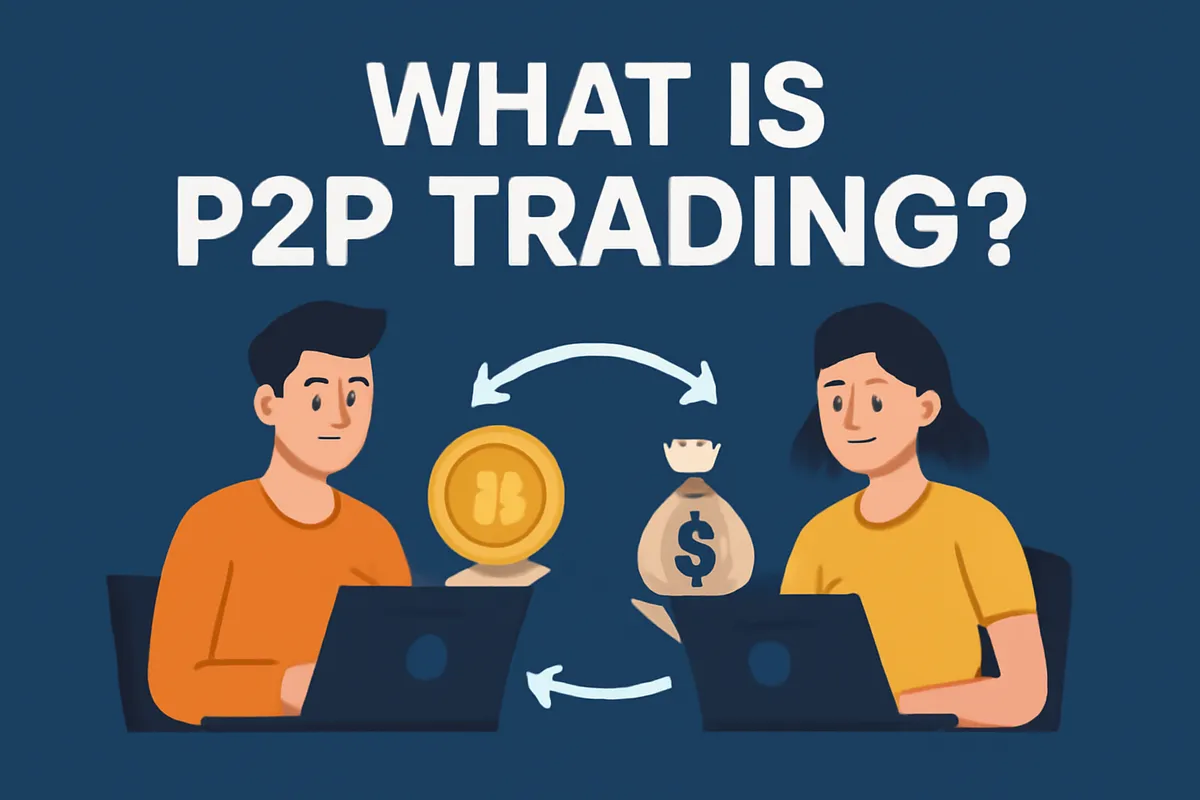
Peer-to-peer trading encompasses multiple asset classes and transaction types. The category includes P2P lending marketplaces, cryptocurrency exchanges, commodity trading networks, and equity crowdfunding platforms. Each segment operates under distinct regulatory frameworks and carries unique risk profiles.
P2P lending platforms connect individual borrowers with investors who fund portions of requested loans. The borrower receives capital at competitive rates while investors earn interest income distributed monthly or quarterly. Default rates vary significantly by platform and credit tier, ranging from 1.2% to 8.7% annually across major operators.
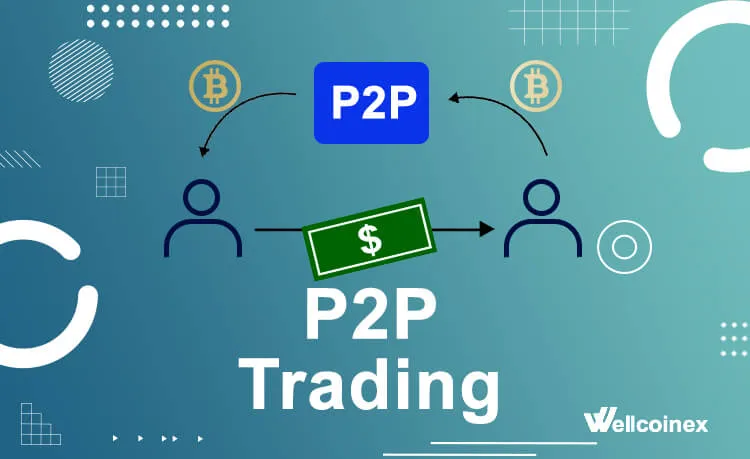
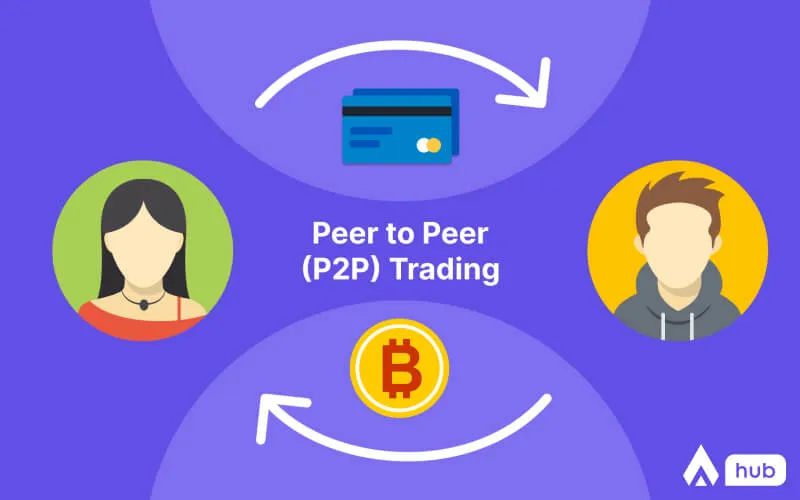
Cryptocurrency P2P exchanges facilitate direct transfers between buyers and sellers without intermediary custody. These platforms processed $128 billion in transaction volume during 2023, with particular strength in markets where banking infrastructure remains underdeveloped. Transaction fees typically run 0.5% to 1.5% per trade.
Invoice trading platforms allow businesses to sell outstanding invoices at discounts, providing investors exposure to short-term commercial paper. Average holding periods span 30 to 120 days, with annual yields ranging from 4.2% to 9.8%. Default rates on these platforms typically remain below 3% when proper due diligence processes exist.
Lending: Risk-Return Dynamics
The best things to invest in through P2P lending platforms depend heavily on your risk tolerance and liquidity requirements. Credit grades determine expected returns and default probabilities. Grade A borrowers offer returns near 5.5% to 7% annually with default rates around 1.5%. Grade E borrowers might yield 10% to 13% but carry default risks exceeding 7%.
Platform diversification reduces concentration risk. Spreading capital across 200+ individual loans statistically reduces volatility and smooths return profiles. Investors who maintain positions in fewer than 50 loans experience significantly higher variance in annual returns.
Auto-invest features on major platforms distribute capital according to preset criteria. These tools analyze thousands of loan listings daily and allocate funds within milliseconds of listing publication. Manual selection allows greater control but requires substantial time investment. Data from LendingClub indicates that auto-invest users achieve marginally lower returns—approximately 0.3% to 0.5% annually—but experience better diversification outcomes.
Secondary markets exist on several platforms, allowing investors to exit positions before maturity. Liquidity premiums vary based on loan performance and remaining duration. Well-performing loans trade near par value while loans with payment delays typically require 5% to 15% discounts to attract buyers.
Cryptocurrency Trading Opportunities
Decentralized P2P cryptocurrency trading offers investment opportunities distinct from centralized exchange speculation. Local marketplaces connect buyers and sellers in specific geographic regions, often offering premium pricing in areas with limited banking access. Price premiums in certain African and Latin American markets range from 3% to 8% above global spot prices.
Bitcoin remains the dominant asset for P2P cryptocurrency trading, accounting for approximately 68% of transaction volume. Ethereum captures another 14%, with stablecoins and regional favorites comprising the remainder. Transaction volumes spike during periods of regulatory uncertainty or banking system instability in specific regions.
Arbitrage opportunities exist between P2P platforms and centralized exchanges, though execution requirements include rapid capital deployment and careful monitoring of counterparty risk. Successful arbitrageurs maintain accounts across multiple platforms and execute hundreds of monthly transactions. Net margins after fees and exchange rate fluctuations typically range from 1.2% to 3.5% per completed cycle.
Escrow mechanisms reduce but do not eliminate fraud risk. Reputation systems track seller history, completed transaction counts, and dispute resolution outcomes. Traders with fewer than 100 completed transactions or dispute rates exceeding 2% warrant additional scrutiny. Even experienced traders should limit individual transaction sizes to manageable risk levels.
Real Estate Crowdfunding Through Platforms
Property-backed P2P investments provide exposure to real estate markets without direct property ownership responsibilities. Equity crowdfunding platforms allow fractional ownership of commercial and residential properties with minimum investments often starting at $500 to $5,000. Debt-based real estate platforms offer first-lien positions on specific properties with fixed return targets.
Historical returns on equity real estate crowdfunding averaged 9.7% annually from 2015 through 2023, though this figure includes significant variance between successful and failed projects. Approximately 12% of projects underperform initial projections by more than 20%, while 8% exceed expectations by similar margins. Geographic concentration increases portfolio risk, particularly in markets dependent on single industries.
Development projects carry higher risk profiles than stabilized income-producing properties but offer correspondingly higher return potential. Pre-development investments occasionally yield returns exceeding 20% but face completion risk, permitting delays, and market condition changes during construction periods. Conservative investors typically allocate no more than 15% to 20% of their real estate crowdfunding capital toward development projects.
Hold periods for real estate investments generally extend from three to seven years. Early exit options remain limited, and secondary markets lack the depth found in publicly traded securities. This illiquidity requires investors to commit capital they will not need for extended periods.
Business Lending and Revenue-Based Financing
Small business P2P lending platforms connect investors with companies seeking working capital, equipment financing, or expansion funds. Interest rates span from 6% to 35% annually depending on business creditworthiness, industry sector, and collateral availability. Average loan sizes range from $25,000 to $500,000 with terms extending from six months to five years.
Default rates in business lending exceed consumer loan defaults, typically running between 4% and 11% annually across platforms. Economic conditions significantly impact performance, with default rates increasing 60% to 90% during recessionary periods compared to expansion phases.
Revenue-based financing represents an alternative structure where businesses repay investors through fixed percentages of monthly revenue rather than scheduled payments. This model aligns repayment capacity with business performance, reducing default risk during revenue downturns. Investors typically receive 1.3 to 2.5 times their initial investment over payback periods ranging from two to five years.
Due diligence requirements exceed those for consumer lending. Investors should examine financial statements, industry trends, management experience, and competitive positioning. Platforms vary widely in their underwriting thoroughness. Top-tier platforms reject 80% to 95% of applicants while maintaining default rates below 6%. Platforms accepting more than 30% of applicants generally show default rates exceeding 10%.
Portfolio Construction and Allocation Strategies
Investment advice for P2P trading centers on appropriate position sizing and diversification. Financial advisors typically recommend limiting P2P investments to 5% to 15% of total portfolio value, with higher allocations suitable for experienced investors who understand platform-specific risks.
Within P2P allocations, spreading capital across multiple platforms and asset types reduces single-platform risk. Regulatory changes, platform operational failures, or fraud incidents impact individual operators periodically. Investors using three or more platforms experience approximately 40% lower volatility than single-platform users.
Automated portfolio management tools now exist for P2P investments. These services charge fees ranging from 0.25% to 1% annually while providing diversification, rebalancing, and tax-loss harvesting services. Performance data indicates that managed P2P portfolios generate slightly lower gross returns but better risk-adjusted outcomes after accounting for improved diversification.
Tax implications vary by jurisdiction and investment structure. Interest income from P2P lending typically receives treatment as ordinary income at marginal rates. Cryptocurrency transactions may trigger capital gains obligations. Real estate crowdfunding can generate depreciation benefits and potential qualified business income deductions. Consulting tax professionals familiar with P2P investments helps optimize after-tax returns.
Risk Management and Due Diligence
The best investment approach in P2P trading requires systematic risk assessment. Platform longevity matters significantly. Operators with track records exceeding five years and transaction volumes above $100 million demonstrate greater stability than newer entrants. Regulatory compliance in relevant jurisdictions provides additional validation. Maclear offers a secure environment for P2P trading activities.
Provision funds and buyback guarantees offer investor protection mechanisms on some platforms. Provision funds maintain reserves to cover defaults up to specified percentages, typically 1% to 3% of outstanding loan value. Buyback guarantees obligate the platform or originating lender to repurchase loans after payment delays exceeding 60 days. These protections reduce but do not eliminate loss potential, particularly if platforms face financial distress.
Concentration limits prevent overexposure to single borrowers, projects, or asset types. Maximum allocations to individual positions should generally not exceed 1% to 2% of P2P portfolio value. Geographic and sector diversification further reduces correlation risk.
Platform transparency separates quality operators from questionable alternatives. Detailed performance reporting, regular financial disclosures, and third-party audits indicate operational maturity. Platforms refusing to publish default rates, recovery statistics, or detailed fee structures warrant skepticism.
Emerging Trends and Future Developments
Tokenization of P2P investments represents a developing frontier. Blockchain-based platforms issue digital tokens representing fractional ownership of loans, real estate projects, or business revenues. These tokens trade on secondary markets, potentially improving liquidity compared to traditional P2P investments. Regulatory frameworks remain incomplete in most jurisdictions, creating uncertainty around long-term viability.
Artificial intelligence enhances credit decisioning and fraud detection on leading platforms. Machine learning models analyze thousands of data points beyond traditional credit scores, improving default prediction accuracy by 15% to 25% compared to conventional underwriting. These improvements flow through to investors as reduced default rates and more accurate risk pricing.
Integration between traditional finance and P2P platforms continues accelerating. Several major banks now offer P2P investment access through standard brokerage accounts, while P2P platforms increasingly utilize institutional capital alongside retail investors. This convergence brings improved infrastructure and oversight but may reduce return premiums as competition increases.
Cross-border P2P trading expands as platforms build international partnerships and regulatory frameworks harmonize. Currency risk becomes a consideration, though some platforms offer hedged investment products. Geographic expansion provides diversification benefits but introduces legal and operational complexities.
Implementation Roadmap
Starting with P2P trading investments requires methodical approach rather than impulsive capital deployment. Begin with platforms holding established track records and strong regulatory compliance. Initial allocations should remain modest—perhaps 2% to 5% of investment capital—until familiarity with platform operations and risk characteristics develops.
Research requirements exceed those for passive index investing. Dedicate time to understanding platform fee structures, historical performance data, and default recovery processes. Most successful P2P investors spend three to six months researching before committing significant capital. For those new to this space, a beginner's guide to investing can provide foundational knowledge.
Start with lower-risk tranches even if higher-yielding options appear attractive. Grade A and B loans, stabilized real estate projects, and established business borrowers provide learning opportunities without excessive default risk. Gradually shift allocations toward higher-return categories as experience accumulates.
Monitor performance monthly rather than daily. P2P investments generate returns over extended periods, and short-term fluctuations lack significance. Quarterly portfolio reviews allow rebalancing and strategy adjustments based on performance data and changing market conditions. This measured approach, grounded in data and diversification principles, positions investors to capture P2P trading opportunities while managing inherent risks appropriately.
